
Executive Takeaways
- Disruptive Distribution Model: Affinity’s flagship all-in-one design suite is now available natively for the iPad, introduced with a zero-cost tier for individual creators, completely altering mobile creative software unit economics.
- Infrastructural Scalability: The release leverages Apple’s Metal framework and unified memory architecture, pushing high-performance desktop-class vector, raster, and layout capabilities onto mobile hardware.
- Competitive Capital Reallocation: This aggressive pricing and ecosystem play challenges entrenched incumbent subscription monopolies, forcing a broader re-evaluation of enterprise software budgets and creator monetization channels.
- Valuation and Market Liquidity Impact: Software valuations within the digital design sector face immediate pressure as software-as-a-service (SaaS) fatigue meets high-performance freemium alternatives.
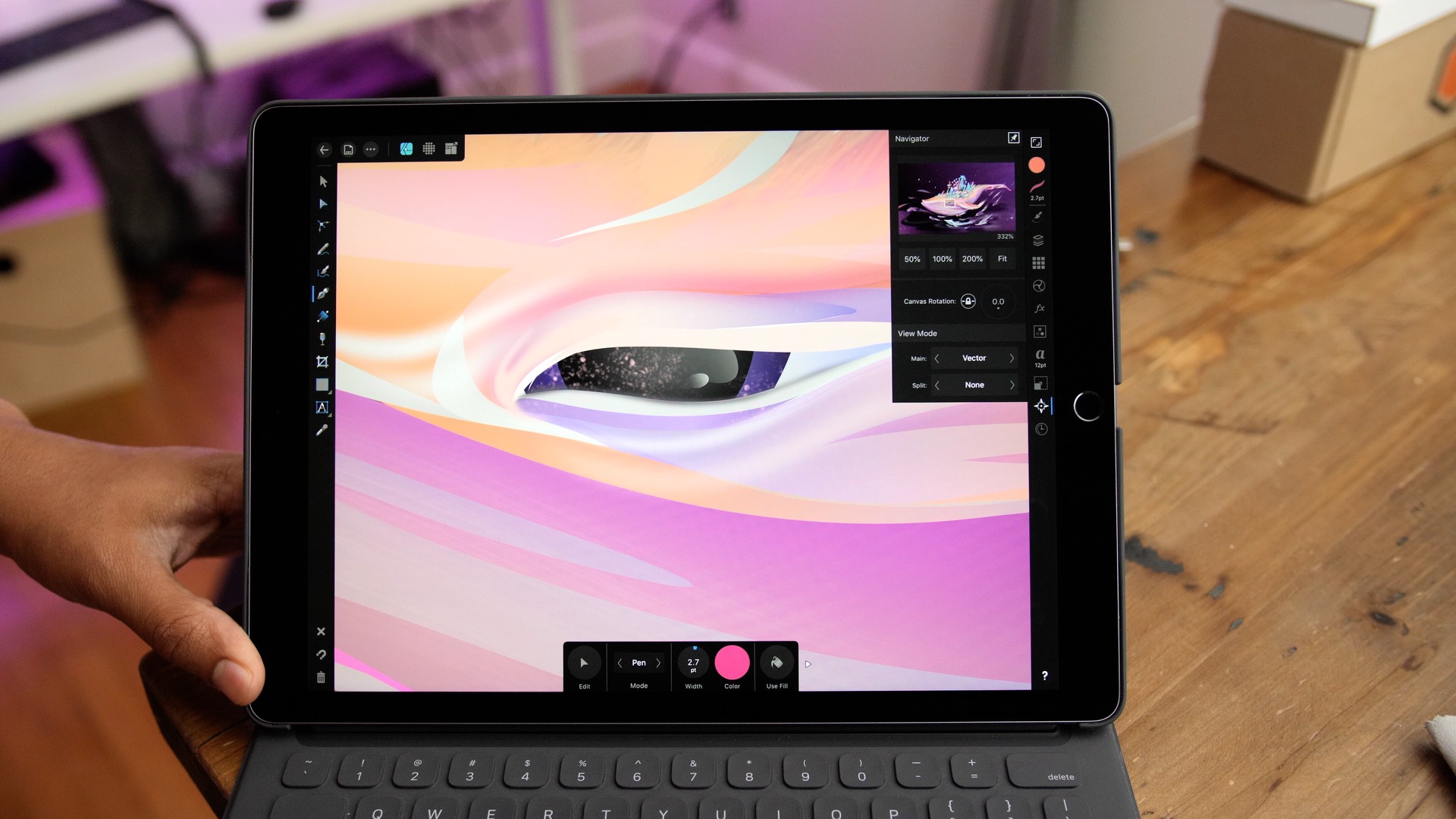
LONDON / NEW YORK — In a structural pivot that threatens to upend the competitive landscape of digital creation tools, the developers behind the powerhouse creative suite Affinity have officially launched their all-in-one design application natively for the iPad, accompanied by a transformative pricing model: completely free for individual users. This strategic maneuver bypasses traditional software-as-a-service (SaaS) paywalls, introducing enterprise-grade layout, photo-editing, and vector illustration capabilities directly to millions of mobile devices without friction.
For financial analysts, venture capital firms, and industry insiders monitoring the software sector, this announcement represents a seismic shift in capital allocation and user acquisition strategies. For years, the digital design market has operated under an entrenched subscription model, where recurring fees formed the bedrock of predictable software revenue and high valuation multiples. By offering a fully functional, zero-cost individual tier on Apple’s dominant tablet hardware, Affinity’s parent organization is executing a classic high-velocity land grab, prioritizing massive network effects and user acquisition velocity over immediate transactional top-line growth.
Catalytic Events: The Evolution of Mobile Workflows
Test Our Free AI & Tech Utilities Suite
Calculate LLM API token costs, analyze article dwell-time, or simulate tech DCA returns.
The convergence of advanced ARM-based mobile processors and high-density touch interfaces has steadily eroded the functional moat traditionally held by desktop workstations. Historically, mobile creative apps were categorized as companion utilities—simplified versions of desktop engines meant for rough sketching or rapid layout prototyping. However, the latest generation of Apple silicon inside the iPad Pro and iPad Air lineups provides infrastructural scalability that rivals mid-tier desktop towers.
Affinity’s engineering team capitalized on this silicon breakthrough by rebuilding their core graphics engine around Apple’s low-level Metal API. This ensures that memory management, GPU acceleration, and vector rendering operate at near-native hardware speeds. The result is an all-in-one application environment where users can transition seamlessly between raster painting, precise vector path manipulation, and multi-page document publishing without experiencing memory bottlenecks or latency drops.
Yet, the most disruptive element of the deployment is not technical, but financial. By making the application free for individual users, the company has directly targeted independent creators, freelancers, and students who have long chafed against the compounding costs of monthly software licensing. This strategy exploits widespread market fatigue regarding subscription models, positioning the zero-cost tier as an irresistible alternative for cost-conscious creators navigating tighter operational budgets.
Verified Data & Metrics Breakdown
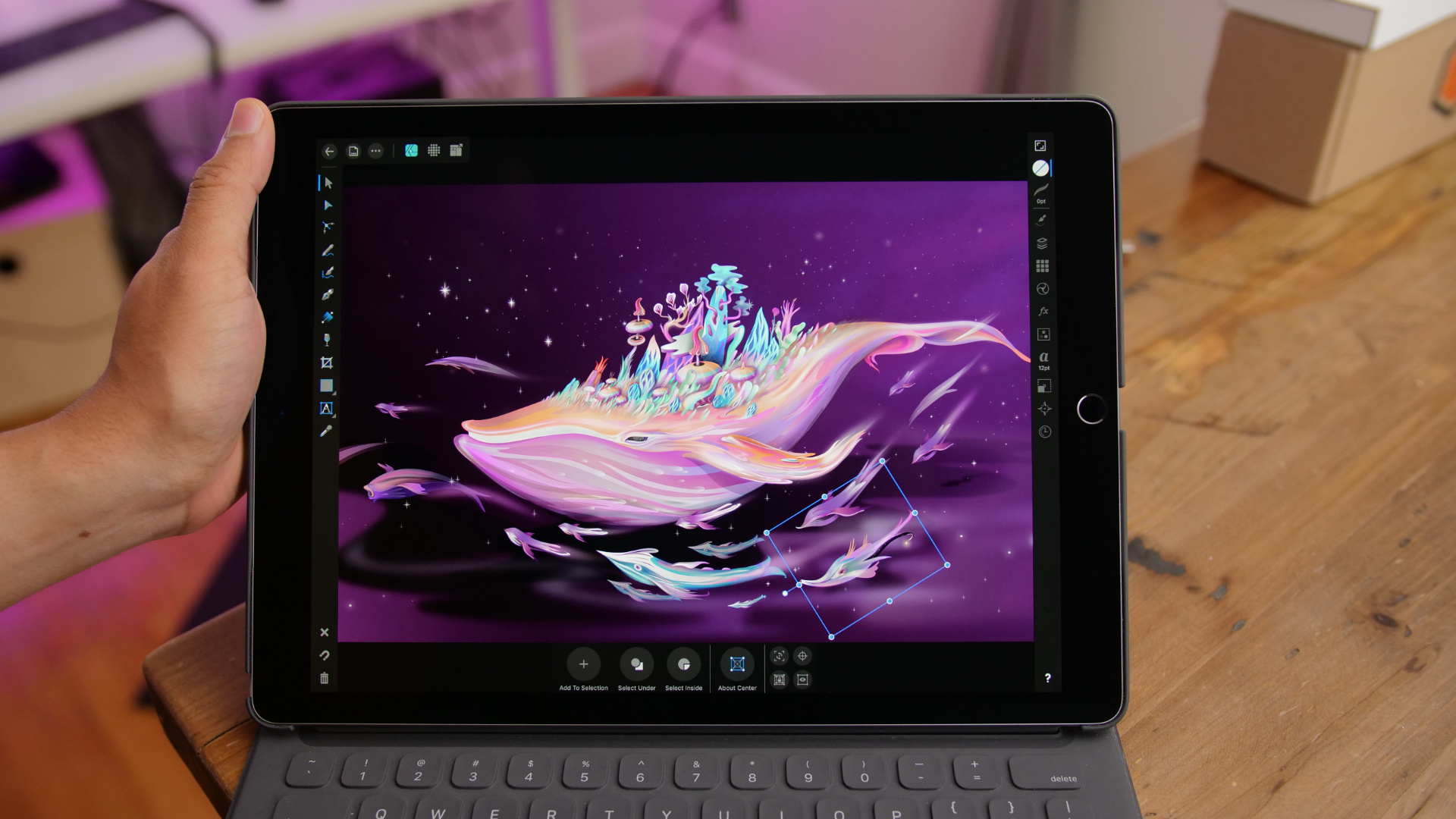
To understand the scope and market implications of this release, financial and technical metrics must be evaluated side by side. The following table contrasts the traditional incumbent SaaS paradigms with the new Affinity iPad model:
| Metric / Parameter | Legacy Desktop SaaS Standard | New Affinity iPad Individual Model |
|---|---|---|
| User Acquisition Cost (CAC) | High (Extensive enterprise sales & digital ad spend) | Low-to-Zero (Organic viral adoption via App Store) |
| Pricing Structure | Recurring Monthly / Annual Subscription ($50-$80+/mo) | Free for Individuals (Enterprise tiers optional) |
| Hardware Optimization | Generalized across disparate desktop configurations | Deep integration with Apple Silicon & Metal API |
| Workflow Integration | Siloed specialized apps (separate tools for vector/raster) | Unified all-in-one workspace (Persona-based switching) |
Industry & Market Implications
In global financial markets, announcements of this magnitude immediately trigger strategic realignments. The winners in this ecosystem shift are unmistakably independent digital creators, small-to-medium enterprises (SMEs) seeking risk mitigation on fixed overheads, and hardware manufacturers like Apple, who benefit from enhanced software utility driving tablet sales. By lowering the total cost of ownership for professional-grade digital creation tools, the barrier to entry vanishes for talent in emerging markets and bootstrapped startups.
Conversely, traditional legacy software conglomerates face intense pressure. When a tier-one product offers professional parity without recurring subscription fees, institutional investors begin scrutinizing customer churn rates and average revenue per user (ARPU) forecasts. While enterprise customers with complex regulatory compliance and dedicated IT infrastructure will continue utilizing managed corporate deployments, the bleeding edge of individual user acquisition is under direct assault.
Furthermore, cloud compute architecture and local processing balance points are shifting. Because Affinity’s iPad app executes heavy rendering and vector calculations locally utilizing device hardware rather than demanding continuous cloud server overhead, operational costs for the provider remain remarkably lean. This efficiency allows the platform to sustain a free individual tier without compromising performance or running afoul of cloud infrastructure cost scaling.
People Also Ask (FAQ)
Frequently Asked Questions
Q: Is the Affinity iPad app truly free for all users, or are there hidden paywalls?
A: The application is entirely free for individual users, providing full access to its core vector, raster, and layout toolsets. Enterprise deployments, team management features, and specialized commercial licenses may be subject to separate corporate pricing tiers.
Q: Which iPad models are fully compatible with the new all-in-one Affinity design app?
A: The app is optimized for iPads running modern Apple Silicon processors (M-series chips) as well as recent high-performance A-series chips that fully support Apple’s Metal graphics framework and unified memory architecture.
Q: How does this release impact existing desktop software subscriptions?
A: While enterprise organizations with entrenched workflows may maintain legacy subscriptions, individual creators and freelancers now have a zero-cost alternative, putting downward pressure on competitor pricing models and accelerating SaaS fatigue industry-wide.
Q: Does the app require an active internet connection to function?
A: Because the application leverages local hardware processing and the iPad's unified memory rather than heavy cloud rendering, users can perform complex design, editing, and publishing tasks entirely offline.
Future Outlook
As the digital creation ecosystem digests this aggressive market entry, industry watchers will monitor key performance indicators over the coming fiscal quarters. Critical milestones to watch include App Store download velocities, conversion rates of individual users into enterprise or managed tiers, and reactionary feature rollouts from legacy software monopolies.
Ultimately, the deployment of a free, desktop-class all-in-one design suite on the iPad signals the end of an era where basic creative software utility could be reliably monetized via mandatory subscriptions. As software becomes increasingly commoditized and hardware capabilities continue to compound, companies that win will be those capable of balancing frictionless user acquisition with high-value enterprise scalability. For now, creators stand as the primary beneficiaries of an escalating market war that places premium tools directly into their hands—at zero cost.


