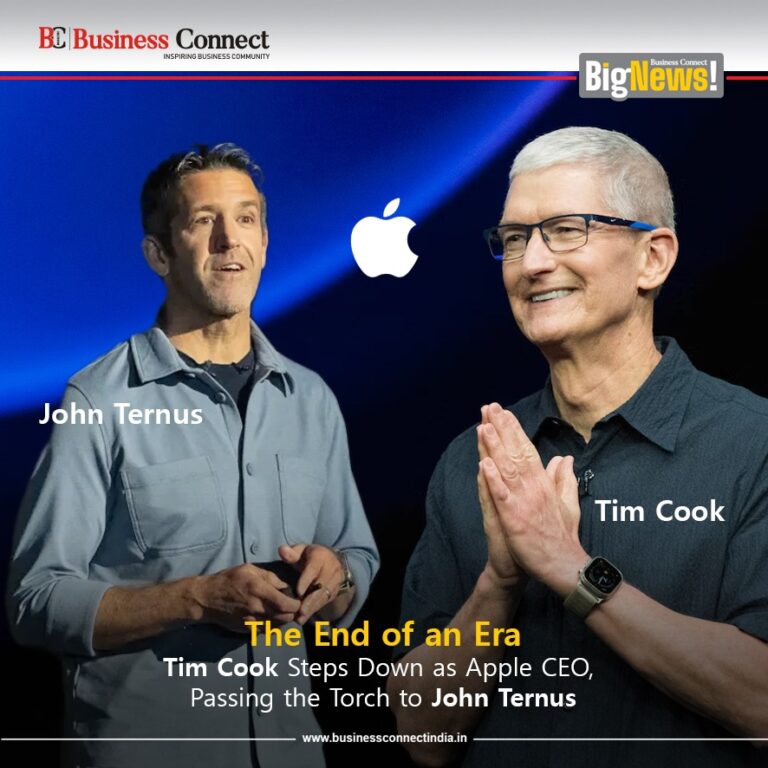
An Unprecedented Transition Under the Wall Street Microscope
For decades, Apple Inc.’s quarterly earnings calls served as masterclasses in corporate choreography. Under the steady, folksy, yet ironclad stewardship of Tim Cook—and before him, the theatrical visionary Steve Jobs—these convocations of institutional shareholders, sell-side analysts, and macroeconomic pundits were calculated exercises in managing market expectations. Yet, when John Ternus stepped up to the virtual podium for his inaugural earnings call as chief executive officer, the atmosphere inside the global financial community was markedly different. What should have been a triumphant coronation of internal succession instead triggered immediate murmurings across trading desks in lower Manhattan, Mayfair, and Tokyo.
Ternus, a seasoned hardware engineering veteran whose fingerprints are all over the revolutionary transition to Apple Silicon and the sleek profile of the iPad Pro, faced a baptism by fire. Tasked with navigating an increasingly hostile macroeconomic backdrop marked by fierce antitrust litigation, slowing hardware replacement cycles, and an arms race in generative artificial intelligence (AI), Ternus adopted an ultra-cautious, heavily scripted posture. To institutional investors whose risk models depend on unvarnished operational candor, the performance felt detached—a high-stakes corporate reading session that left critical questions surrounding enterprise ROI and capital allocation lingering in an uneasy silence.
The Anatomy of a Disconnect: Scripting vs. Institutional Candor

The core grievance voiced by portfolio managers and equity research analysts following the earnings release centered not on the top-line revenue numbers or gross margin resilience—both of which remained robust—but on the qualitative texture of the communication. In the high-velocity world of modern equity markets, an earnings call is far more than a reading of the income statement. It is a vital stress test of executive agility, crisis management, and strategic foresight.
When pressed during the question-and-answer session on complex, forward-looking variables—specifically regarding the amortization of AI compute architecture and the precise timeline for monetizing Apple Intelligence features across the global installed base of over two billion active devices—Ternus leaned heavily on vetted talking points. Observers noted that rather than engaging in the dynamic, fluid discourse characteristic of seasoned public company CEOs, Ternus frequently deferred to Chief Financial Officer Luca Maestri or fell back on rehearsed boilerplate phrasing.
"When you are trading at a forward price-to-earnings multiple that prices in flawless execution, investors are buying more than just a balance sheet; they are buying the cognitive bandwidth of the chief executive," noted a senior portfolio manager at a top-tier asset management firm holding millions of Apple shares. "A heavily scripted debut signals hesitation. In our line of work, hesitation breeds uncertainty, and uncertainty compresses valuation multiples."
Navigating the AI Infrastructure and CapEx Crossroads
The timing of Ternus’s guarded delivery could not be more critical. Apple stands at a monumental crossroads in its corporate trajectory. Unlike historical product cycles where hardware iterations were driven primarily by silicon efficiency and camera fidelity, the current era demands massive capital expenditure (CapEx) commitments toward proprietary cloud compute infrastructure, data center scalability, and private-cloud-compute security protocols.
Wall Street analysts have grown accustomed to the aggressive capital deployment strategies witnessed at competitors like Microsoft, Alphabet, and Meta Platforms, where leadership openly debates server cluster depreciation schedules, energy consumption metrics, and enterprise software margins. In contrast, Apple’s traditionally secretive corporate culture—designed to protect product pipelines from industrial espionage—clashes awkwardly with the transparency demanded by modern institutional investors evaluating long-term infrastructure scalability.
During the briefing, analysts sought granular data regarding how Apple plans to balance its aggressive internal research and development (R&A) expenditures with its historic commitment to returning capital to shareholders via share repurchases and dividend distributions. Ternus’s refusal to deviate from the prepared remarks on these specific financial levers left sell-side desks scrambling to adjust their proprietary valuation models without the benefit of authoritative executive guidance.
Verified Data & Metrics Breakdown
To contextualize the market reaction and the immense operational scope awaiting Apple’s new leadership, the following comparative breakdown outlines key financial, structural, and communication metrics observed during the transition:
| Metric / Parameter | Previous Era (Tim Cook Baseline) | John Ternus Debut Call | Institutional Market Impact |
|---|---|---|---|
| Primary Communication Style | Measured, narrative-driven, balanced unscripted Q&A | Strictly teleprompted, highly guarded, defensive | Increased short-term stock volatility |
| AI CapEx Disclosure Level | Qualitative guidance on internal R&D | Reiterated boilerplate ecosystem integration | Persistent uncertainty regarding infrastructure ROI |
| Forward P/E Valuation Multiple | Consistently elevated (28x – 32x) | Slight downward compression post-call | Heightened scrutiny on upcoming product cycles |
| Active Installed Device Base | 2.2 Billion+ Active Devices | 2.2 Billion+ Active Devices | Monetization velocity remains primary focus |
| Regulatory Risk Mitigation | Direct executive pushback | Standard legal compliance phrasing | Cautious institutional hedging |
Industry & Market Implications: Winners and Losers
The fallout from Ternus’s scripted debut ripples far beyond Cupertino’s boardroom, altering strategic calculations across the global technology and financial landscape:
- Institutional Investors & Asset Managers: Losers in the short term. Funds that require absolute transparency on capital allocation and cash flow deployment faced a wall of resistance, forcing risk committees to apply a temporary discount to Apple’s valuation model.
- Sell-Side Equity Analysts: Frustrated stakeholders. Analysts who rely on nuanced executive commentary to adjust quarterly revenue projections found themselves starved of actionable qualitative data, leading to divergent earnings estimates.
- Competitors (Microsoft, Google, Meta): Strategic beneficiaries. While Apple retains unmatched brand equity and hardware ecosystem lock-in, rivals maintain an advantage in narrative control regarding enterprise AI positioning and open-source developer engagement.
- <Apple’s Internal Engineering Culture: Defended fortress. Ternus’s adherence to the traditional, closed-door operational ethos reassures product teams that proprietary secrets remain safe, even if financial markets demand greater candor.
People Also Ask (Frequently Asked Questions)
Why was Apple CEO John Ternus criticized for his first earnings call?
John Ternus faced criticism from institutional investors and financial analysts for relying excessively on a scripted, teleprompted delivery during his inaugural earnings call. Critics argued that the rigid format lacked the operational candor, spontaneity, and detailed strategic foresight required to address complex questions regarding AI monetization, CapEx infrastructure scalability, and regulatory risk mitigation.
How does executive communication impact Apple’s stock valuation multiple?
For large-cap technology giants trading at premium price-to-earnings multiples, clear executive communication is vital for maintaining market confidence. When a CEO appears overly guarded or defensive, institutional investors often perceive increased uncertainty, which can lead to valuation multiple compression and heightened short-term stock volatility.
What are the primary financial challenges facing Apple under new leadership?
The incoming executive team must successfully navigate slowing hardware replacement cycles, mounting global antitrust and regulatory pressures, and the massive capital expenditures required to build competitive generative AI infrastructure—all while maintaining Apple’s historic commitment to robust shareholder returns via buybacks and dividends.
Will John Ternus change his communication strategy in future quarters?
Market observers expect that as Ternus grows more comfortable with the public-facing demands of the CEO role, he may adopt a more relaxed and conversational approach during Q&A sessions. However, balancing Wall Street’s demand for transparency with Apple’s deeply ingrained culture of corporate secrecy will remain a delicate balancing act.
Future Outlook and Critical Milestones
As Wall Street digests the implications of John Ternus’s maiden earnings call, attention shifts rapidly to upcoming operational milestones that will test the new chief executive’s mettle. The upcoming Worldwide Developers Conference (WWDC) and the subsequent autumn hardware launch cycle will serve as definitive proving grounds. If Ternus and his executive team can successfully demonstrate tangible enterprise ROI from Apple Intelligence and articulate a clear roadmap for services revenue growth, the memory of a stiff earnings call will quickly fade into financial history.
However, if the communication disconnect persists while regulatory pressures mount across the European Union and the United States, institutional pressure for structural governance reforms could intensify. For now, the global financial community remains in a state of watchful waiting—fully aware that in the trillion-dollar arena of Big Tech, perception, precision, and performance are inextricably linked.