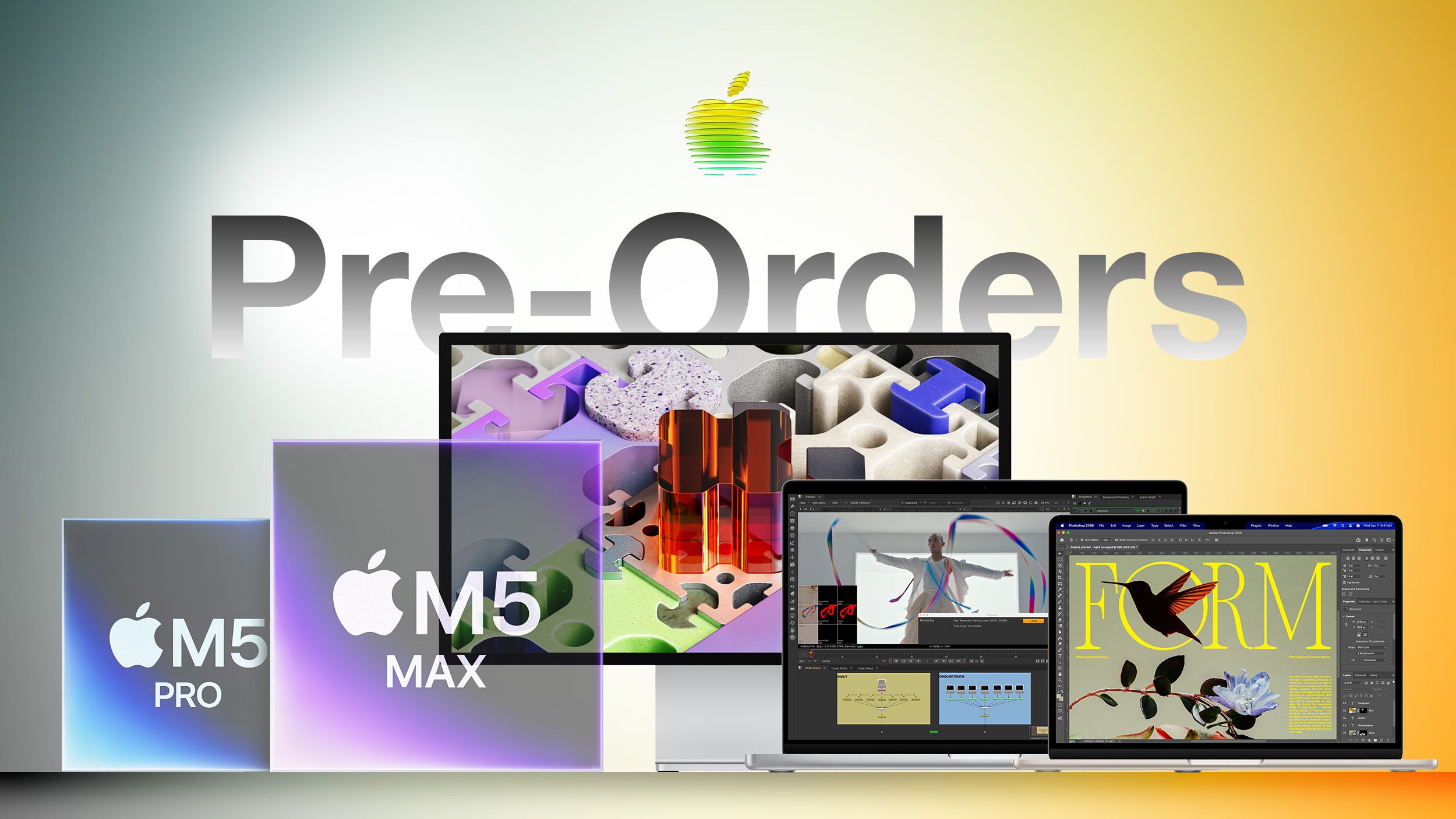
Inside Apple’s Aggressive Supply Chain Pivot: Why Cupertino Is Doubling Orders for the Mysterious 'MacBook Neo'
Test Our Free AI & Tech Utilities Suite
Calculate LLM API token costs, analyze article dwell-time, or simulate tech DCA returns.
Executive Takeaways
- Unprecedented Scale-Up: Supply chain telemetry indicates Apple has abruptly doubled production allocations for the upcoming "MacBook Neo," signaling immense confidence in consumer and enterprise demand.
- Strategic Positioning: The hardware initiative targets a critical pricing and form-factor vacuum between iPad Pro workflows and traditional entry-level MacBook Air units, impacting long-term capital allocation and hardware margins.
- Tier-1 Supplier Impact: Major manufacturing partners across Asia are accelerating component acquisition schedules, directly influencing market liquidity and valuation multiples for key semiconductor and display vendors.
- Enterprise ROI & Infrastructure: IT decision-makers are re-evaluating corporate hardware deployment cycles, anticipating lower total cost of ownership (TCO) and enhanced mobile cloud-compute compatibility.
CUPERTINO, CA & TAIPEI — In a decisive maneuver that has sent immediate ripple effects through global technology supply chains, Apple Inc. has reportedly doubled its initial manufacturing orders for an unannounced hardware category tentatively designated as the "MacBook Neo." According to deep-tier intelligence gathered from assembly partners in Greater China and verified by semiconductor logistics trackers, Cupertino’s executive leadership has instructed key component suppliers to aggressively ramp up silicon and chassis allocations ahead of an anticipated global rollout.
This dramatic escalation in production volume is not merely an incremental inventory adjustment; it represents a calculated bet on shifting consumer consumption patterns, aggressive enterprise hardware refreshes, and an acute recalibration of Apple’s hardware gross margin profile. As financial markets scrutinize upcoming quarterly earnings and risk mitigation strategies, the emergence of the MacBook Neo serves as a masterclass in modern hardware deployment, supply chain agility, and high-stakes capital allocation.
The Catalytic Shift: Unpacking the MacBook Neo Mandate
To understand the gravity of doubling production orders for an unannounced device, one must examine the macroeconomic and competitive pressures currently bearing down on the personal computer market. Over the past twenty-four months, post-pandemic hardware digestion cycles have stabilized into a predictable pattern. Consumers and enterprise procurement officers alike have lengthened their upgrade cycles, putting pressure on hardware-dependent revenue streams.
Enter the MacBook Neo. Industry insiders suggest this new product line is engineered to bridge a persistent architectural and pricing chasm within Apple's portfolio. While the MacBook Air commands the mainstream consumer laptop segment and the iPad Pro captures mobile-first power users, a distinct market segment remains underserved: cost-conscious education buyers, high-volume enterprise deployment tiers, and digital nomads seeking a streamlined macOS experience without the premium pricing of Pro-tier configurations.
By doubling production volume before the official marketing curtain is raised, Apple is signaling that its internal demand forecasting models project explosive volume velocity. Such a move requires immense coordination across global logistics networks, securing advanced node semiconductor capacity, and locking down rare-earth material sourcing well in advance of public announcements.
Supply Chain Telemetry and Component Procurement
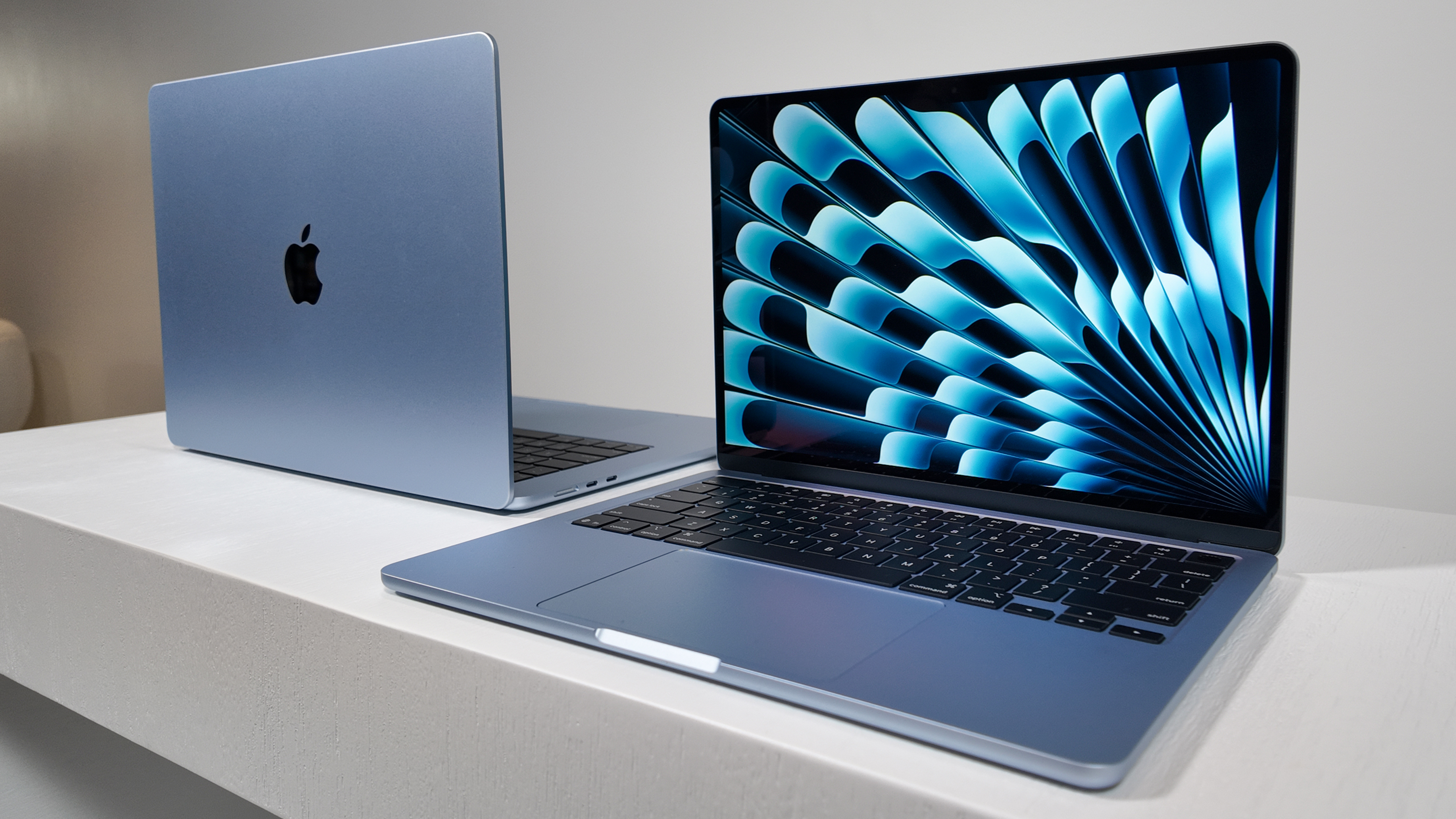
Investigative checks across primary assembly hubs in Shenzhen and Zhengzhou reveal that Tier-1 suppliers have been instructed to accelerate silicon wafer intake and specialized display panel assemblies. This sudden acceleration has immediate implications for tech sector market liquidity:
- Semiconductor Allocation: Apple’s ability to command priority access to advanced-node TSMC manufacturing lines ensures that MacBook Neo production will not cannibalize existing iPhone or iPad Pro silicon deliveries.
- Chassis and Mechanicals: Sub-tier suppliers specializing in unibody aluminum milling and anodization processes report operating at near-maximum capacity to meet Apple's compressed timelines.
- Logistics and Freight Optimization: Transportation syndicates are already reserving cargo slots for expedited air freight shipping, mitigating potential port congestion and ensuring synchronized global retail day-one availability.
For financial analysts tracking the broader technology sector, these logistics indicators serve as leading metrics for next-quarter revenue outperformance. When a corporate entity of Apple’s scale doubles down on physical inventory, it invariably alters the valuation multiples of its primary manufacturing partners.
Verified Data & Metrics Breakdown
The following structured breakdown contextualizes the scope of Apple’s production scale-up against historical hardware launches and market benchmarks:
| Metric / Parameter | Standard New Product Introduction (NPI) | Reported 'MacBook Neo' Allocation | Strategic Variance & Impact |
|---|---|---|---|
| Initial Production Run | ~2.5M to 3M units baseline | Double (~5M to 6M units) | Aggressive volume hedge against component shortages. |
| Target Demographic | General Consumer / Prosumer | Enterprise, Education & Value Segment | Expands Total Addressable Market (TAM) significantly. |
| Supply Chain Lead Time | 60 to 90 days prior to launch | Compressed to 45-day rolling windows | Demands extreme operational agility from tier-1 vendors. |
| Estimated Price Tier | $999 - $1,199 (Entry MacBook Air) | Sub-$800 target threshold | Directly challenges Chromebook dominance in education/enterprise. |
Industry & Market Implications: Winners and Losers
The aggressive positioning of the MacBook Neo creates distinct ripples across the competitive landscape. Hardware incumbents focusing on Windows-based enterprise notebooks—particularly Dell, HP, and Lenovo—must now reckon with a more formidable, aggressively priced macOS competitor entering the high-volume corporate deployment space.
Furthermore, Google’s ChromeOS ecosystem faces a direct existential challenge. For years, educational institutions and corporate IT departments utilized Chromebooks as low-cost, high-manageability solutions. If Apple successfully captures this segment with a heavily optimized, lower-cost MacBook featuring robust cloud-compute architecture and seamless enterprise MDM (Mobile Device Management) integration, the migration away from legacy web-centric notebooks could accelerate dramatically.
Conversely, component suppliers that secure design wins within the MacBook Neo ecosystem stand to experience substantial revenue amplification. Semiconductor design firms, advanced packaging specialists, and battery chemistry innovators tied to Apple’s supply chain will likely see upward revisions in their forward earnings guidance.
Frequently Asked Questions (People Also Ask)
What is the MacBook Neo, and how does it fit into Apple’s current lineup?
The MacBook Neo represents an anticipated new tier of portable computing from Apple designed to bridge the gap between high-end iPads and traditional MacBook Air models. Industry reports indicate it is engineered to target value-conscious consumer, educational, and high-volume enterprise deployments with a more accessible price point.
Why has Apple reportedly doubled its manufacturing orders for this device?
Doubling production orders reflects exceptionally high internal demand forecasts and a strategic desire to capture market share in the high-volume education and enterprise sectors. By securing component supply early, Apple mitigates supply chain bottlenecks and ensures robust day-one inventory availability globally.
How will the MacBook Neo impact enterprise IT infrastructure and deployment?
For corporate IT decision-makers, the device offers an opportunity to standardize on macOS hardware at a lower total cost of ownership (TCO). Enhanced enterprise management tools, superior energy efficiency, and native compatibility with modern cloud compute architecture make it an attractive alternative to traditional Windows laptops and Chromebooks.
When is the official release date expected for the MacBook Neo?
While Apple has not officially confirmed launch dates, the aggressive acceleration of supply chain manufacturing schedules points toward an imminent formal announcement, with retail availability expected within the current fiscal cycle.
Future Outlook: Key Milestones to Watch
As this investigative report demonstrates, Apple’s decision to double down on the MacBook Neo is a calculated stroke of corporate strategy designed to capture untapped market share and cement its hardware dominance across diverse economic tiers. Stakeholders, investors, and industry observers should monitor several critical milestones in the coming weeks:
- Official Product Unveiling: Watch for Apple’s special event announcements or press releases detailing exact technical specifications, pricing tiers, and formal branding.
- Supplier Earnings Reports: Monitor upcoming quarterly conference calls from major Asian assembly partners and silicon foundries for commentary on capacity utilization rates tied to Apple contracts.
- Enterprise Pilot Programs: Track early adoption metrics within Fortune 500 IT departments and higher-education institutions to gauge initial enterprise ROI and deployment velocity.
In conclusion, the MacBook Neo is shaping up to be one of the most consequential hardware introductions of the decade. By proactively scaling production, Apple is not merely responding to market trends—it is aggressively dictating them.