The contemporary macroeconomic climate has separated market participants into two distinct camps: those favoring defensive balance-sheet fortification and those hunting for hyper-growth post-correction. Amid this market dichotomy, a compelling divergence has emerged on Wall Street. Apple Inc. is flirting with all-time record valuations, buoyed by relentless share repurchases, services expansion, and fortress-like capital allocation strategies. Simultaneously, streaming pioneer Netflix has weathered a severe valuation compression, dropping more than fifty percent from its prior peak amid heightened market scrutiny over subscriber acquisition costs, content amortization, and global market saturation.
For institutional allocators, portfolio managers, and sophisticated retail investors, this sets up a classic risk-adjusted return dilemma. Two titans of the digital economy are trading at inverse trajectories, forcing a definitive choice. In this comprehensive investigative report, we dissect the fundamental drivers, financial health, risk mitigation profiles, and enterprise ROI metrics of both companies to answer the ultimate question: If forced to choose just one, which stock deserves a core allocation in a disciplined, long-term portfolio?
Executive Takeaways
Test Our Free AI & Tech Utilities Suite
Calculate LLM API token costs, analyze article dwell-time, or simulate tech DCA returns.
- Valuation Divergence: Apple’s resilient equity performance is underpinned by elite free cash flow generation and aggressive share buyback programs, shielding it from macro shocks.
- Streaming Margin Pressures: Netflix’s steep valuation correction reflects structural shifts in the streaming industry, including rising content costs, slowing subscriber growth, and the introduction of ad-supported tiers.
- Capital Allocation & Risk Mitigation: Apple offers superior downside protection and enterprise liquidity, whereas Netflix operates with higher operational beta and exposure to discretionary consumer spending.
- The Definitive Verdict: Based on infrastructure scalability, margin stability, and regulatory compliance navigation, only one of these corporate giants satisfies the criteria for an elite capital deployment.
The Anatomy of Divergence: Apple's Record Run vs. Netflix's Correction
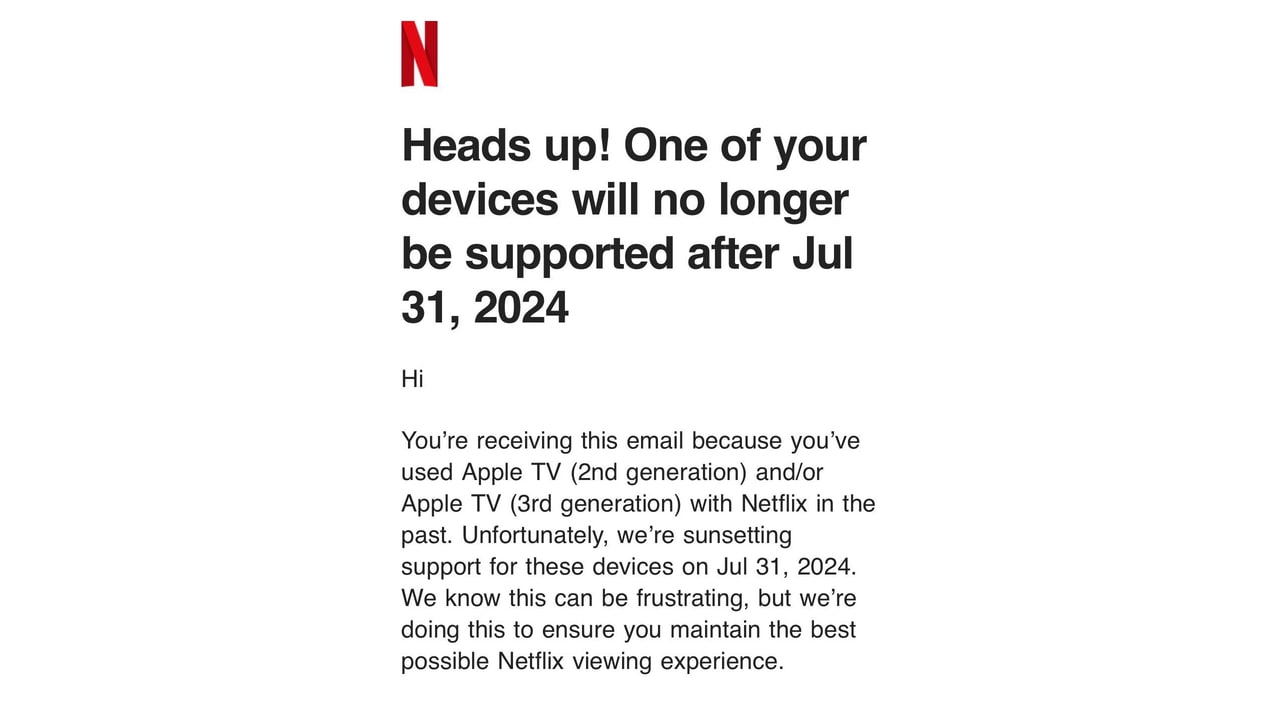
To understand how Apple and Netflix arrived at their current market valuations, we must examine the macroeconomic headwinds and structural shifts that have defined the post-pandemic recovery era. Throughout periods of aggressive monetary tightening by global central banks, equity markets have ruthlessly punished high-multiple growth stocks while rewarding balance-sheet strength, predictable cash flows, and robust capital allocation frameworks.
Apple has masterfully navigated this volatile environment. Despite facing supply chain bottlenecks, inflationary pressures, and foreign exchange headwinds driven by a dominant U.S. dollar, Apple has maintained an iron grip on its premium hardware ecosystem. The company's pivot toward high-margin services—including iCloud, Apple Music, the App Store, and Apple Pay—has provided a reliable recurring revenue stream that insulates it from cyclical downturns in smartphone upgrades. Furthermore, Apple's disciplined capital return program, which has seen hundreds of billions funneled back to shareholders via dividends and share repurchases, has effectively compressed share counts and supported continuous multiple expansion.
Conversely, Netflix's market narrative has undergone a turbulent transformation. For years, Wall Street rewarded the streaming giant for prioritizing subscriber acquisition over immediate profitability, funding a massive global content machine through debt issuance and operating cash burn. However, as interest rates rose and capital became expensive, market sentiment shifted dramatically. The realization that subscriber growth in saturated mature markets was plateauing triggered a massive sell-off. Investors began scrutinizing content amortization schedules, marketing expenditures, and the sustainability of free cash flow generation. Although Netflix has successfully pivoted to combat password sharing and introduced a lower-cost, ad-supported tier to capture new market segments, the trauma of its historical drawdown continues to weigh on its valuation multiple.
Comparative Financial & Market Metrics
A rigorous examination of financial fundamentals highlights the operational realities underpinning both equities. The table below outlines key metrics comparing Apple and Netflix based on recent fiscal reporting periods:
| Metric | Apple Inc. (AAPL) | Netflix, Inc. (NFLX) |
|---|---|---|
| Market Capitalization Status | Approaching historic record highs | Down >50% from all-time peak |
| Primary Revenue Driver | Hardware Ecosystem & High-Margin Services | Subscription Video-on-Demand (SVOD) & Advertising |
| Free Cash Flow (FCF) Profile | Massive, highly predictable annual generation | Improving, but historically volatile and capital-intensive |
| Capital Allocation Strategy | Aggressive buybacks & steady dividend growth | Reinvestment in content & opportunistic repurchases |
| Market Beta & Volatility | Moderate (Defensive growth hybrid) | High (Growth/Cyclical tech sensitivity) |
Industry & Market Implications
The strategic choices made by Apple and Netflix carry profound implications for the broader technology and media sectors. Apple’s dominance proves that ecosystem lock-in—where hardware, software, and services create insurmountable switching costs for consumers—is the ultimate defensive moat in modern commerce. Competitors attempting to replicate Apple's hardware-software integration face monumental capital expenditure hurdles and supply chain complexities. Consequently, Apple absorbs market share during downturns simply because consumers view its products as essential utilities rather than discretionary splurges.
In the entertainment and media landscape, Netflix's severe correction signaled the end of the "streaming wars" era defined by unbridled cash burn. Legacy media conglomerates that rushed to launch competing streaming services have suffered immense financial strain, validating Netflix's early scale advantage. However, Netflix is no longer a pure disruptor; it has effectively become the incumbent utility of home entertainment. Its transition into ad-supported tiers and live event streaming represents a structural maturation, forcing the company to compete directly with traditional television networks and digital advertising giants like Alphabet and Meta for brand marketing dollars.
From a macroeconomic perspective, the divergence between these two equities highlights a shifting tolerance for risk. Institutional investors managing pension funds, endowments, and wealth portfolios are increasingly prioritizing earnings visibility and balance-sheet liquidity over speculative growth narratives. In an environment defined by regulatory scrutiny over Big Tech and shifting consumer credit health, capital naturally concentrates in enterprises capable of weathering prolonged economic stagnation.
Frequently Asked Questions (People Also Ask)
Why is Apple's stock price nearing record highs despite global economic headwinds?
Apple’s resilience stems from its unmatched customer loyalty, pricing power, and massive free cash flow generation. The rapid expansion of its high-margin services division offsets occasional hardware cyclicality, while continuous share buybacks reduce the share count, boosting earnings per share (EPS) even when revenue growth remains stable.
What caused Netflix to drop more than 50% from its historical peak?
Netflix's steep correction was triggered by a combination of slowing subscriber growth in mature markets, intensifying competition from rival streaming services, rising content production costs, and broader macroeconomic rotation away from high-multiple growth stocks as interest rates rose globally.
Is Netflix a good value buy now that it is down significantly?
For high-risk growth investors, Netflix offers an attractive entry point due to its dominant global market share, successful crackdown on password sharing, and the scaling of its advertising tier. However, it carries higher operational volatility compared to mega-cap defensive tech stocks.
If I can only buy one, which stock offers better long-term risk-adjusted returns?
For a core, risk-managed portfolio, Apple is the superior choice. Its fortress balance sheet, predictable cash generation, and superior risk mitigation profile provide a safer foundation for long-term capital preservation and compounding growth.
Future Outlook & Key Milestones to Watch
Looking ahead, the investment thesis for both Apple and Netflix will hinge on specific operational execution milestones. For Apple, market watchers must monitor the integration of advanced artificial intelligence capabilities across its hardware lineup, ongoing regulatory compliance regarding App Store policies in the European Union and United States, and the continued monetization of its installed active device base, which recently surpassed two billion units.
For Netflix, the critical catalysts center around the rapid scaling and profitability of its ad-supported subscription tier, engagement metrics relative to competing platforms, and disciplined management of content acquisition costs. If Netflix can prove that advertising can drive a new wave of high-margin revenue without cannibalizing its premium subscriber base, its current valuation could look heavily discounted in hindsight.
However, when evaluating capital deployment through a strict risk-adjusted lens—balancing infrastructure scalability, enterprise ROI, downside protection, and corporate governance—only one of these corporate titans provides the structural safety net required for definitive portfolio dominance. Apple stands as the ultimate fortress asset, making it the clear and singular choice for disciplined investors navigating today's complex financial landscape.