

Executive Takeaways
- Strategic Capital Allocation: Apple is aggressively expanding its high-margin Services ecosystem by bridging the digital-to-physical gym paradigm, aiming to capture high-intent subscription revenue.
- Ecosystem Lock-in: The new Gym Strength program leverages proprietary biometric data pipelines from Apple Watch to drive real-time personalization, strengthening hardware-software retention loops.
- Competitive Disruption: The move directly challenges incumbent commercial fitness chains, legacy boutique studios, and pure-play digital fitness apps by leveraging frictionless user acquisition channels.
- Infrastructure Scalability: Powered by advanced machine learning models processed locally and in private cloud architectures, the program underscores massive investments in health-tech data processing.
NEW YORK / CUPERTINO — In a calculated maneuver designed to squeeze higher yields from its sprawling Services division, Apple Inc. has officially announced the upcoming rollout of the Apple Fitness+ Gym Strength program. Featuring highly anticipated personalized workout plans, this strategic initiative marks a profound evolution for the tech giant. By stepping outside the living room and directly onto the commercial gym floor, Apple is challenging traditional fitness infrastructure, accelerating its health-tech monetization strategy, and redefining how consumer wellness data integrates with hardware ecosystems.
For financial analysts and tech-sector observers tracking valuation multiples and recurring revenue streams, this announcement is far more than a routine software update. It represents a sophisticated exercise in risk mitigation and market expansion. As smartphone replacement cycles lengthen and hardware growth stabilizes, Apple’s capital allocation strategy increasingly prioritizes high-margin software services. The Gym Strength program is engineered to capitalize on the multi-billion-dollar global fitness market, capturing high-intent consumers who demand hyper-personalized, data-driven training regimens without the prohibitive cost of private personal training.
The Catalytic Shift: Moving from Living Room to Commercial Facilities
Test Our Free AI & Tech Utilities Suite
Calculate LLM API token costs, analyze article dwell-time, or simulate tech DCA returns.
When Apple initially launched Fitness+ in late 2020, the service was architected primarily around home workouts—a timely play during a period of global lockdowns and remote lifestyles. However, as global populations returned to commercial gym facilities, utilization rates for home-centric fitness apps experienced normalization. Industry data indicated a clear market gap: consumers desired the guided expertise and structured metrics of digital platforms, but required adaptive programming tailored to the heavy iron, cable machines, and specialized racks found exclusively in commercial gym environments.
The new Gym Strength program directly addresses this friction point. By integrating advanced machine learning algorithms with real-time biometric telemetry gathered from the Apple Watch, the platform generates dynamic, multi-week strength-building routines. Unlike static workout PDFs or generic instructor-led video libraries, the system adapts dynamically based on user fatigue scores, historical lifting volume, available gym equipment, and progressive overload metrics.
From an infrastructure scalability perspective, this requires a sophisticated cloud compute architecture capable of processing complex health telemetry at scale while maintaining rigorous privacy compliance standards. Apple’s emphasis on on-device data processing and encrypted health records serves as a powerful regulatory shield, setting a high compliance bar that legacy competitors will struggle to match.
Financial Architecture & Market Dynamics
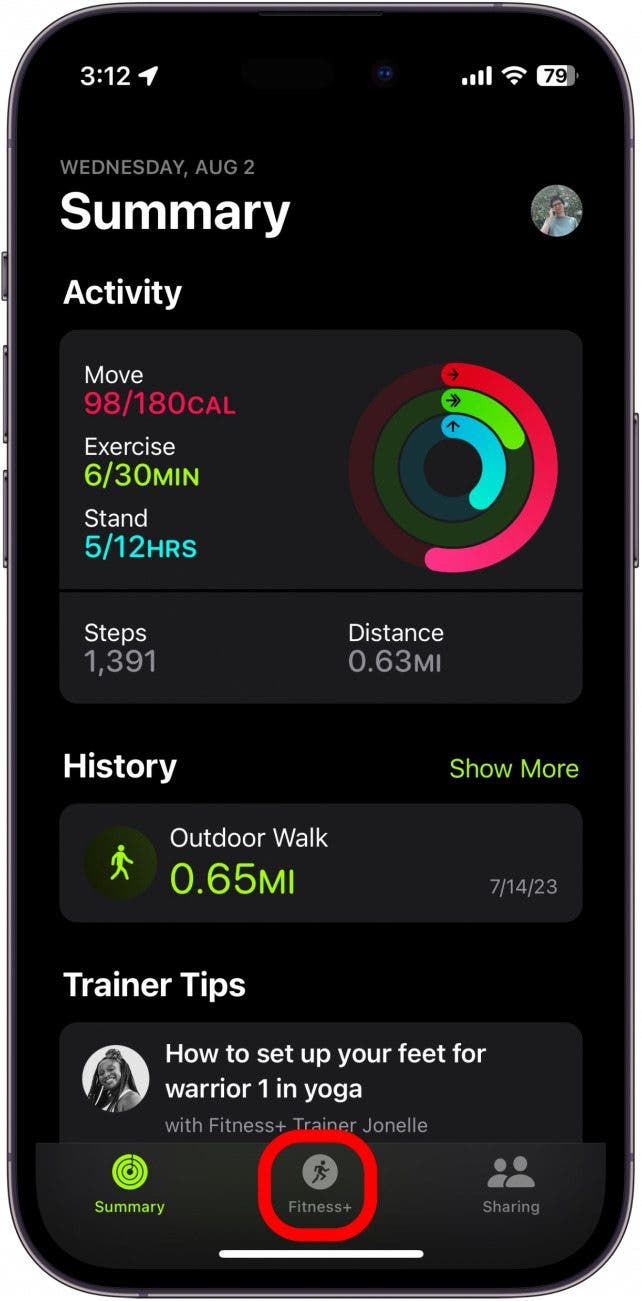
To fully understand the gravity of Apple’s announcement, one must evaluate the broader macroeconomic landscape of the health and wellness sector. Commercial gym memberships have rebounded aggressively post-pandemic, yet consumer spending habits reflect a bifurcated market: budget-conscious big-box gyms co-exist with premium, high-cost boutique concepts. Apple is positioning Fitness+ Gym Strength to capture the high-value intersection of this market—users who hold commercial gym memberships but lack structured, progressive programming.
Financial analysts project that this feature will serve as a powerful customer acquisition and retention tool for the broader Apple ecosystem. By lowering churn rates among existing Apple Watch and iPhone users, the company protects its hardware base while scaling high-margin subscription revenue. The table below outlines the core strategic shifts and operational metrics defining Apple's entry into commercial-grade digital fitness.
| Strategic Dimension | Legacy Fitness+ Model | New Gym Strength Program |
|---|---|---|
| Primary Environment | Home / Living Room (Minimal Equipment) | Commercial Gyms (Full Dumbbell, Barbell, Machine Access) |
| Programming Type | Static, instructor-led video classes | Algorithmic, personalized multi-week progressive overload plans |
| Data Utilization | Active calories, heart rate, ring closure | Lifting volume, perceived exertion, recovery metrics, equipment availability |
| Enterprise Impact | Ecosystem retention baseline | High-margin Services revenue expansion & commercial partnership catalyst |
Industry & Market Implications: Who Wins and Who Loses
The rollout of Apple Fitness+ Gym Strength introduces significant market volatility across the fitness technology landscape. The competitive ramifications extend across multiple tiers of the global economy:
- The Winners — Apple Inc. and Hardware Partners: Apple solidifies its monetization funnel, driving higher Average Revenue Per User (ARPU) across its Services division. Premium gym equipment manufacturers and boutique facilities that embrace software integrations may also find lucrative partnership opportunities. Furthermore, enterprise wellness programs looking to lower corporate healthcare liabilities will find turnkey value in standardized, data-backed strength training.
- The Losers — Pure-Play Digital Fitness Apps: Independent subscription apps that rely on generic workout templates face existential pressure. Without the hardware telemetry of the Apple Watch or the capital muscle required to subsidize massive R&D cycles, standalone apps risk margin compression and customer attrition.
- The Commercial Gym Dilemma: Traditional fitness club chains must navigate a complex dynamic. While Apple’s program encourages members to utilize gym facilities more consistently—thereby reducing cancellation rates—it also disintermediates the gym's own personal training staff, potentially undercutting high-margin human coaching revenue streams.
Frequently Asked Questions (People Also Ask)
1. How does the Apple Fitness+ Gym Strength program personalize workouts?
The program utilizes advanced machine learning algorithms that analyze user inputs—such as available gym equipment, fitness goals, and historical performance data—alongside continuous biometric telemetry from the Apple Watch. It dynamically adjusts sets, reps, and weight recommendations based on real-time fatigue and progressive overload principles.
2. Do I need specialized equipment to use the Gym Strength program?
Unlike previous home-centric offerings, the Gym Strength program is explicitly designed for commercial fitness facilities. Users will require access standard gym equipment, including dumbbells, barbells, cable machines, and weight benches, which the app factors into the customized routine generation.
3. How does this impact existing Apple Fitness+ subscription pricing?
Apple has indicated that the Gym Strength personalized programming will be integrated directly into the existing Apple Fitness+ subscription tier ($9.99/month or $79.99/year), as well as bundled within the top-tier Apple One Premier subscription, maximizing perceived value for current subscribers without immediate price escalation.
4. What measures are in place to protect user health data privacy?
Aligning with Apple’s corporate stance on data governance, health and workout data processed via the Gym Strength program is encrypted on-device and in transit using secure cloud architecture. Apple has confirmed that sensitive health metrics will not be monetized or shared with third-party advertisers.
Future Outlook and Strategic Milestones
As Apple prepares for the official commercial launch of the Fitness+ Gym Strength program, industry analysts will be monitoring several key performance indicators (KPIs) to gauge its long-term viability and financial impact. Watch for management commentary during upcoming earnings calls regarding Services segment gross margins, subscriber conversion rates, and churn metrics.
Long-term, this initiative lays the groundwork for deeper integration between consumer wellness tech and institutional healthcare systems. Should Apple successfully correlate gym-floor strength training data with clinical health outcomes, the implications for enterprise healthcare partnerships, insurance premium adjustments, and corporate wellness subsidies will be profound. For now, the tech titan has fired a decisive opening salvo in the next phase of the digital health wars, leaving competitors scrambling to match its fusion of hardware telemetry and intelligent software design.


