Executive Takeaways
- Unprecedented Cash Flow Generation: Global energy supermajors are reporting multi-billion-dollar quarterly net incomes, driven by tight global supply dynamics, resilient macroeconomic demand, and optimized operational efficiencies.
- shift in Capital Allocation Strategy: Unlike previous commodity super-cycles, major operators are prioritizing debt reduction, share buybacks, and dividend growth over aggressive upstream exploration capex, directly boosting valuation multiples and equity attractiveness.
- Regulatory and Political Crosscurrents: Surging profitability has reignited fierce legislative debates over windfall profit taxes, energy affordability, and the long-term pace of corporate ESG compliance.
- Technological Modernization: Leading extraction and refining firms are heavily deploying advanced cloud compute architecture, IoT sensors, and predictive maintenance algorithms to secure maximum enterprise ROI from existing legacy infrastructure.
For the third consecutive reporting cycle, the world’s premier publicly traded energy conglomerates have delivered financial results that defy broader macroeconomic headwinds. While central banks grapple with sticky inflation, fluctuating yield curves, and slowing industrial momentum across developed economies, the global oil and gas sector continues to print staggering cash flows. This divergence highlights a profound reality of the modern global economy: despite long-term energy transition targets, traditional hydrocarbons remain the indispensable lifeblood of industrial productivity, international logistics, and base-load power generation.
As chief financial officers lock in books for the quarter, institutional investors are reassessing their asset allocation models. The recurrence of outsized corporate earnings calls into question prevailing market assumptions regarding commodity price volatility, capital discipline, and shareholder return frameworks. This investigative report dissects the catalysts behind the latest earnings surge, evaluates the underlying balance sheet mechanics, and explores the long-term implications for global market liquidity, regulatory compliance, and enterprise valuations.
The Catalysts of Abundance: Supply Constraints Meet Resilient Global Demand
Test Our Free AI & Tech Utilities Suite
Calculate LLM API token costs, analyze article dwell-time, or simulate tech DCA returns.
To understand how oil companies are achieving earnings figures that rival the nominal GDPs of developing nations, one must examine the structural mechanics of the current commodity super-cycle. At the heart of this financial boom lies a persistent structural deficit between global petroleum supply and inelastic consumer and industrial demand.
For nearly a decade following the 2014 shale crash, institutional capital starved the upstream oil and gas sector. Environmental, Social, and Governance (ESG) mandates forced boardrooms to restrict exploration and production (E&P) capital expenditures, shifting corporate strategy toward decarbonization and renewable asset acquisition. However, as global economies roared back from pandemic-era lockdowns, hydrocarbon consumption outpaced non-fossil generation capacity.
Geopolitical friction has further tightened market liquidity. Ongoing conflicts in Eastern Europe and the Middle East have introduced persistent risk premiums into physical crude trading desks. Consequently, even minor supply disruptions trigger outsized price volatility. When Brent and West Texas Intermediate (WTI) crude benchmarks sustain trading ranges well above the fiscal breakeven points of major producers—many of which hover between $35 and $45 per barrel—every incremental barrel pumped yields exponential free cash flow.
Disciplined Capital Allocation: The New Corporate Playbook
Historically, an era of soaring commodity prices triggered a reckless upstream land grab, characterized by over-leveraged balance boards, inflated operational expenditure, and value-destroying mergers and acquisitions. Today, however, executive suites across Houston, London, and Paris have adopted a radically different risk mitigation framework.
Boardrooms are acutely aware of the existential threat posed by long-term decarbonization trends. Rather than sinking billions into high-risk, multi-decade frontier exploration projects, chief executive officers are focusing on capital discipline and shareholder remuneration. The primary beneficiaries of this windfall are institutional pension funds, retail investors, and hedge funds holding energy equities.
- Aggressive Share Repurchases: Buyback programs have retired significant percentages of outstanding float, supporting earnings-per-share (EPS) metrics and driving up valuation multiples.
- Enhanced Dividend Yields: Base dividends have been supplemented by lucrative variable dividends, offering inflation-beating yields that attract conservative capital allocations.
- Deleveraging Balance Sheets: Net debt figures have plummeted to multi-year lows, granting these enterprises elite credit ratings and insulating them against potential credit market tightening or sudden liquidity crunches.
Simultaneously, capital that is being deployed upstream is subject to rigorous economic hurdles. Operators are leveraging digital transformation initiatives—such as AI-driven seismic imaging, automated drilling rigs, and cloud compute architecture for reservoir simulation—to maximize efficiency and ensure rapid payback periods on invested capital.
Financial Performance Metrics: Q3 Comparative Breakdown
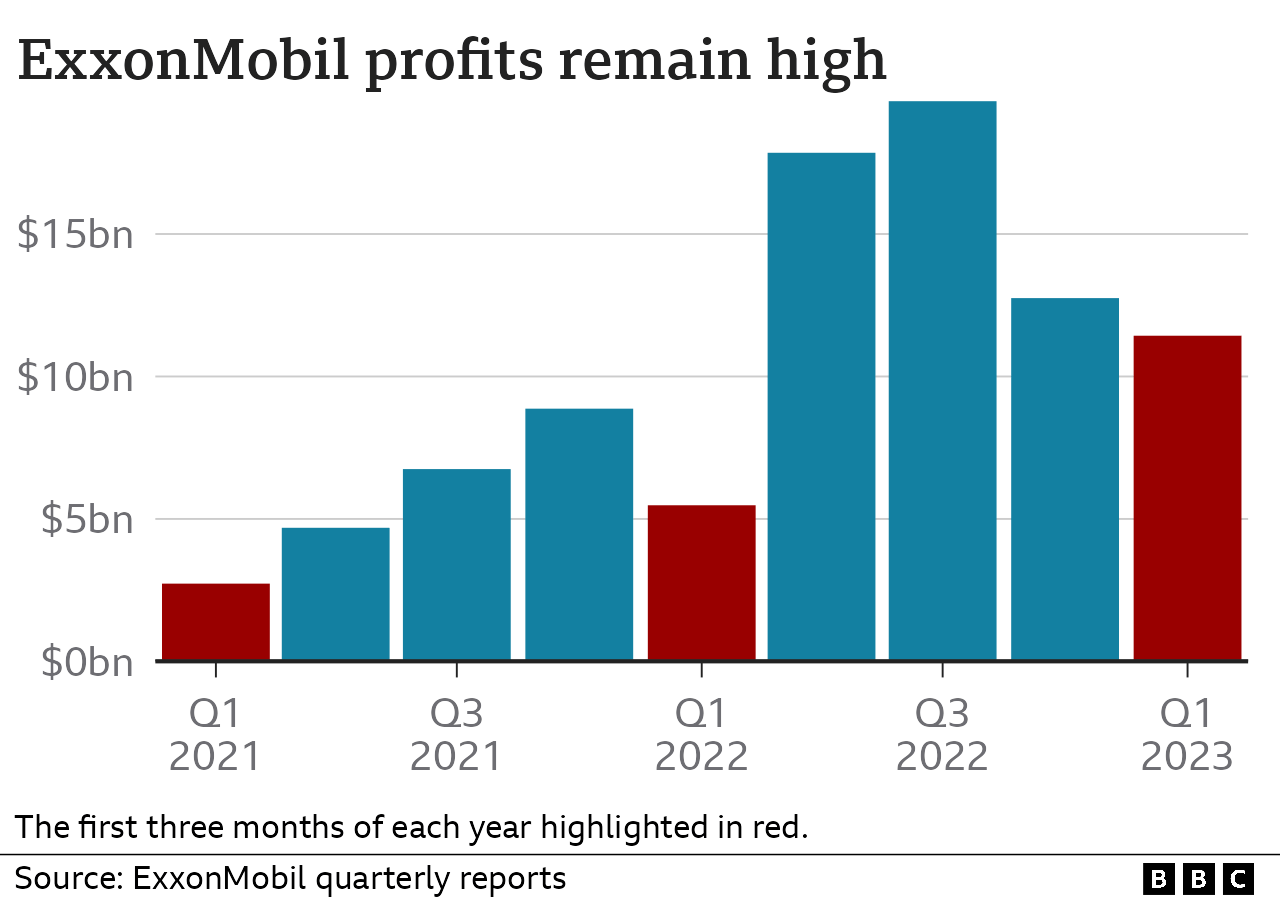
The sheer scale of recent corporate profitability is best understood through comparative financial analysis. The table below outlines key operational and financial metrics across three representative supermajors during the most recent reporting period.
| Company | Quarterly Net Income ($B) | Free Cash Flow ($B) | Share Buybacks Announced ($B) | Average Upstream Breakeven ($/bbl) |
|---|---|---|---|---|
| ExxonMobil | $9.1 | $11.7 | $5.0 (per quarter pace) | < $40 |
| Shell plc | $6.2 | $10.5 | $3.5 | < $35 |
| TotalEnergies | $5.1 | $8.2 | $2.0 | < $30 |
Broader Economic Implications: Winners, Losers, and Systemic Risk
The macroeconomic ramifications of sustained high energy earnings ripple across international trade, fiscal policy, and consumer purchasing power. While energy sector equities outperform broader market indices, distinct friction points emerge across the global economy.
Industrial Consumers Bear the Brunt: Energy-intensive manufacturing sectors—particularly petrochemicals, steel production, heavy machinery, and commercial aviation—face compressed operating margins. Unlike consumer-facing retail giants that can easily pass rising input costs down the supply chain, commoditized industrial players often absorb these expenses, leading to margin contraction and slower industrial output growth in Europe and parts of Asia.
The Geopolitical Divide: Net-exporting nations, particularly within the Gulf Cooperation Council (GCC) and select Latin American markets, are experiencing massive fiscal surpluses. These funds are increasingly channeled through sovereign wealth funds (SWFs), altering global private equity, venture capital, and infrastructure investment flows. Conversely, net-importer developing economies face chronic current account deficits, currency depreciation, and inflationary pressures tied directly to dollar-denominated fuel imports.
Regulatory Blowback: Extraordinary profits invariably invite political scrutiny. Lawmakers in Washington and Brussels face mounting populist pressure to institute permanent windfall profit taxes or accelerate regulatory hurdles on domestic leasing rights. Such legislative interventions introduce policy risk into long-term capital planning, forcing legal and compliance departments to allocate significant resources toward regulatory affairs and government relations.
Frequently Asked Questions (People Also Ask)
Why are oil company earnings so high right now?
Oil company earnings remain exceptionally high due to a combination of tight global supply, geopolitical tensions in key producing regions, and resilient worldwide demand for petroleum products. Furthermore, strict capital discipline enforced by corporate boards has kept capital expenditures lower than in past cycles, allowing companies to convert higher commodity prices directly into massive free cash flow.
Are energy companies investing in green energy or just buying back stock?
Major energy supermajors are pursuing a dual strategy. While shareholder pressure has driven massive share buybacks and dividend distributions, leading firms continue to allocate multi-billion-dollar budgets toward low-carbon ventures, including carbon capture and storage (CCS), hydrogen infrastructure, biofuels, and selective utility-scale solar and wind projects. However, the exact percentage of capital dedicated to renewables varies significantly by firm, with European majors generally pivoting faster than their North American counterparts.
How do high oil prices impact inflation and interest rates?
High oil prices act as a broad tax on consumers and businesses, driving up transportation, manufacturing, and heating costs. This directly feeds into headline inflation metrics. Central banks, such as the US Federal Reserve and the European Central Bank, closely monitor energy price trajectories because persistent energy inflation can de-anchor inflation expectations, potentially keeping interest rates higher for longer.
Will these record earnings continue into the next fiscal year?
Sustained profitability depends heavily on macroeconomic growth trajectories, OPEC+ supply quota compliance, and geopolitical stability. While physical market fundamentals suggest prices will remain supported in the near term, any unexpected global economic slowdown or resolution to major geopolitical conflicts could quickly compress refining margins and crude benchmarks, testing the resilience of current corporate cash flow models.
Future Outlook: Strategic Horizons and Key Milestones to Watch
As the industry navigates the closing quarters of the fiscal year, executive leadership teams are balancing short-term cash generation with long-term strategic transformation. The trajectory of the energy sector over the next 24 to 36 months will be dictated by several critical milestones:
- OPEC+ Production Policy Shifts: Monitoring whether cartel members begin unwinding voluntary production cuts, which would immediately alter global inventory balances and price floors.
- Electrification Velocity: Tracking EV adoption rates and commercial fleet transitions in major automotive markets (China, Europe, North America) to gauge long-term gasoline and diesel demand erosion.
- Technological Scalability in CCS: Evaluating the economic viability and regulatory approval of large-scale Carbon Capture and Storage projects, which represent the primary mechanism for legacy oil firms to decarbonize operations while maintaining hydrocarbon output.
- Consolidation Waves: Observing whether mega-mergers—such as recent multi-billion-dollar upstream consolidations in the Permian Basin—trigger a broader wave of industry consolidation aimed at achieving structural cost synergies.
Ultimately, the latest round of sky-high earnings proves that the traditional energy sector is operating with unprecedented financial discipline and operational efficiency. While political and environmental pressures mount, the world's leading oil enterprises have cemented their role as cash-generating powerhouses, capable of delivering elite shareholder value even as they slowly chart a course toward a diversified energy future.