Executive Takeaways
- Optimal Viewing Window: Early morning hours before dawn provide the highest probability of visibility, bypassing lunar interference and maximizing zenith hourly rates (ZHR).
- Cosmic Origin: The meteors are debris fields left behind by Halley’s Comet (1P/Halley), intersecting Earth’s orbit annually in October.
- Commercial & Economic Ripple: Astrotourism infrastructure, specialized optics manufacturing, and rural hospitality sectors experience measurable capital allocation spikes during peak viewing cycles.
- Risk Mitigation: Atmospheric obscuration, light pollution, and urban sprawl remain the primary operational risks for astronomical observers and commercial tour operators.
As the autumn equinox transitions into the deeper chill of late October, astronomical enthusiasts and institutional researchers alike turn their gaze toward the nocturnal sky. The annual Orionid meteor shower, resulting from Earth’s intersection with the historic debris trail of Comet 1P/Halley, is reaching its zenith. According to real-time data from global observation networks and trending search metrics, early risers hold a distinct strategic advantage. Securing optimal visual fidelity requires precision timing, risk mitigation against light pollution, and an understanding of the underlying celestial mechanics.
For capital allocators in the experiential travel sector and optics manufacturing industries, recurring celestial phenomena like the Orionids represent more than a passing scientific spectacle—they drive significant consumer engagement and localized micro-economic activity. This investigative report breaks down the viewing parameters, historical trajectory, and economic footprint of one of autumn’s premier astronomical events.
The Celestial Mechanics Behind the Orionids
The Orionid meteor shower is not an isolated event; it is a predictable, recurring intersection of planetary orbits and cometary debris. Comet 1P/Halley, which completes an elliptical orbit around the Sun roughly every 75 to 76 years, sheds millions of metric tons of particulate matter along its trajectory. Earth crosses this debris stream twice annually, resulting in the Eta Aquariids in May and the Orionids in October.
When these microscopic particles—ranging from the size of a grain of sand to a small pebble—enter Earth's upper atmosphere at velocities exceeding 66 kilometers per second (approximately 148,000 miles per hour), they vaporize due to extreme frictional heating. This ionization process creates the luminous streaks observed from the surface.
The radiant point of the shower—the optical illusion from which the meteors appear to originate—is located in the constellation Orion, specifically near the club of the hunter close to the star Betelgeuse. However, astronomers emphasize that viewers should not stare directly at the radiant point. Doing so limits the visible length of the meteor trails; instead, scanning a broader swath of the sky 45 to 90 degrees away from Orion yields superior observational results.
Timing and Visibility: Why the Early Bird Advantage Matters
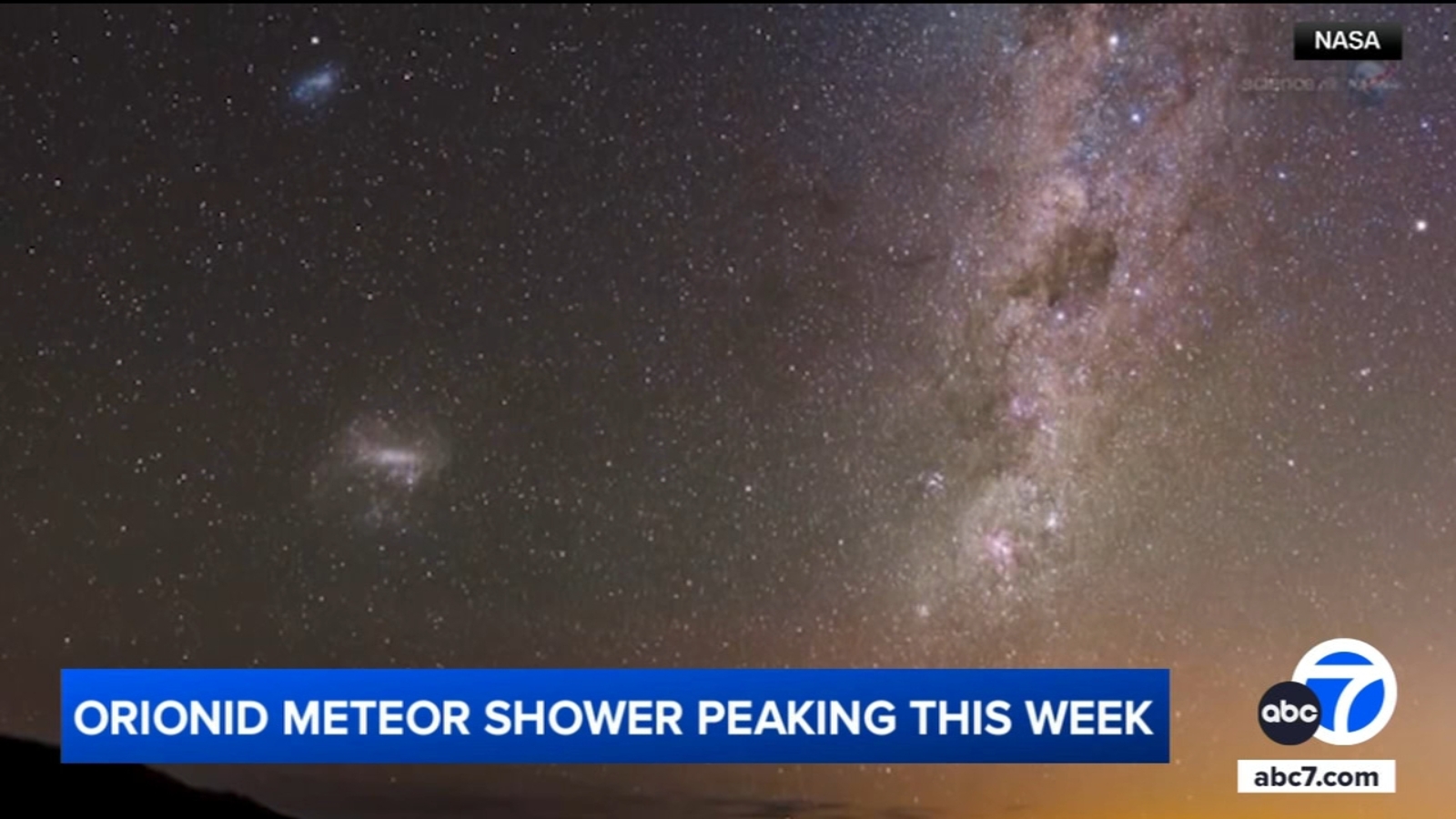
The phrase "early birds will have the best chance" is grounded in strict orbital mechanics and rotational physics. During the peak nights of the shower, the radiant point does not clear the eastern horizon until late evening—typically around 10:00 PM to 11:00 PM local time.
However, the hourly frequency of observable meteors increases exponentially in the hours leading up to dawn. This surge occurs because the observer's location on Earth is rotating directly into the oncoming path of the orbiting meteoroid stream, similar to how the windshield of a moving car collects more bugs than the rear window. Consequently, the optimal observation window spans from 2:00 AM local time until the onset of nautical twilight.
Furthermore, lunar phases play a critical role in visual signal-to-noise ratios. Excessive moonlight acts as natural light pollution, washing out fainter meteors. Observers must cross-reference moonrise and moonset schedules to ensure maximum darkness during the peak window, ensuring high-contrast visibility against the background of deep space.
Quantitative Breakdown of the Orionid Meteor Shower
| Parameter | Technical Specification / Value | Operational Impact |
|---|---|---|
| Parent Body | Comet 1P/Halley | Ensures consistent, predictable annual particulate replenishment. |
| Entry Velocity | ~66 km/s (148,000 mph) | Produces high-speed, persistent luminous ion trains. |
| Zenith Hourly Rate (ZHR) | 10 to 20 meteors per hour (under ideal dark skies) | Requires patience and rural positioning for optimal yield. |
| Optimal Observation Window | 02:00 AM – Dawn local time | Maximizes Earth-ram vector and avoids early-evening light constraints. |
| Primary Risk Factor | Urban Light Pollution & Cloud Cover | Can reduce visible meteor count by up to 90%. |
Industry & Market Implications: The Economics of Astrotourism
While amateur astronomers view the skies for recreation, the broader macroeconomic implications of celestial events like the Orionids ripple across multiple commercial sectors. The hospitality, retail optics, and rural real estate industries capture tangible economic value from public interest in space phenomena.
1. Experiential Hospitality and Rural Infrastructure
As urban centers experience intensifying light pollution, demand for Dark Sky reserves and rural eco-lodges has accelerated. Boutique hospitality operators in designated International Dark Sky Parks report high occupancy rates during peak meteor shower windows. This drives regional capital allocation toward infrastructure scalability, such as off-grid power solutions, specialized viewing platforms, and educational programming.
2. Optical Equipment and Consumer Tech Valuations
Public engagement with astronomy directly correlates with short-term surges in retail sales for binoculars, tripods, and low-light digital sensors. Manufacturers specializing in wide-aperture optics and astronomical software applications experience quarterly revenue bumps, validating investments in research and development for consumer-grade stargazing hardware.
3. Media Engagement and Digital Ad Revenue
Real-time trending data from platforms like Google Trends demonstrates that celestial events command massive digital attention spans. Publishers and digital media networks monetize this high-dwell-time traffic through targeted programmatic advertising, attracting premium high-eCPM campaigns from automotive, travel, and consumer electronics brands looking to align with high-intent audiences.
Frequently Asked Questions (People Also Ask)
When is the absolute best time to watch the Orionid meteor shower?
The highest frequency of meteors occurs during the pre-dawn hours, specifically between 2:00 AM and dawn local time. During this window, your location on Earth rotates directly into the path of the comet's debris stream, yielding maximum visibility.
Do I need a telescope or specialized equipment to see the Orionids?
No. Telescopes and binoculars actually hinder your ability to observe meteor showers because they severely restrict your field of view. The naked eye is the superior tool, allowing you to scan broad expanses of the night sky simultaneously.
Where does the debris that causes the Orionids come from?
The meteors are tiny fragments shed by Halley’s Comet (1P/Halley) over thousands of years. Every October, Earth passes through this discarded particulate trail, producing the Orionid shower.
How can I mitigate light pollution for the best viewing experience?
Observers should travel outside urban centers to designated dark-sky locations, state parks, or rural areas. It takes approximately 20 to 30 minutes for human eyes to fully dark-adapt; avoiding smartphone screens during the session is critical for preserving night vision.
Future Outlook and Strategic Milestones
As satellite constellations expand and urban sprawl continues to encroach on rural horizons, the preservation of dark skies is emerging as a critical regulatory and environmental compliance issue. Municipalities worldwide are increasingly adopting strict lighting ordinances to protect dark-sky reserves, balancing energy efficiency with ecological and astronomical preservation.
Looking ahead, commercial space tourism and the growing democratization of Earth-observation data will continue to elevate public awareness of celestial mechanics. For institutional investors and market analysts, monitoring consumer engagement trends around astronomical events provides a reliable proxy for discretionary spending shifts toward experiential and educational leisure.
For the immediate term, observers planning to witness the Orionids should monitor local meteorological forecasts, secure dark-sky access points, and set their alarms well before dawn to capitalize on the optimal celestial geometry.