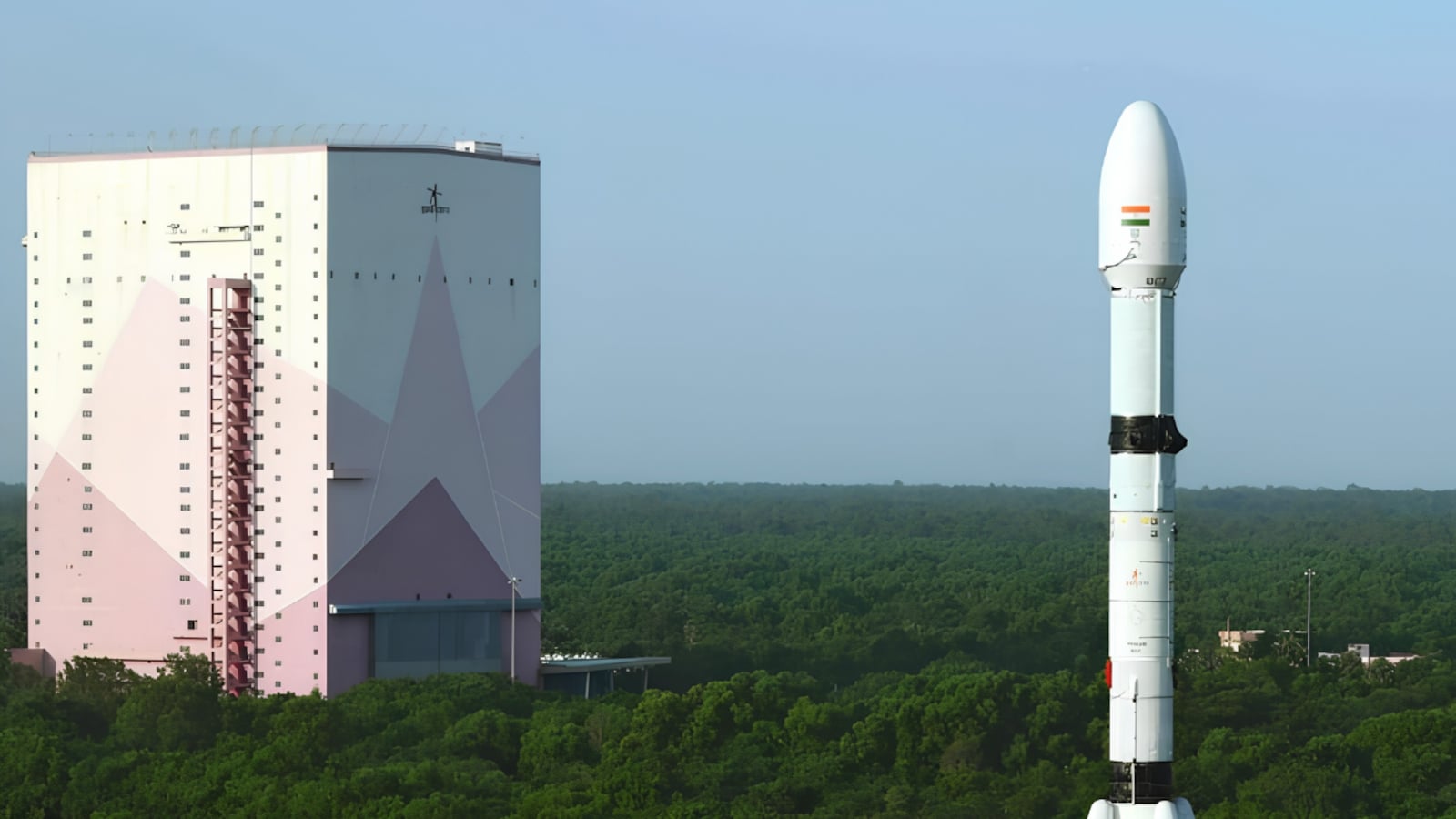
NEW DELHI / MUMBAI — On the eve of India’s 79th Independence Day, the Government of India released a comprehensive blueprint detailing its aggressive transition from a technology consumer to a global sovereign hardware and artificial intelligence (AI) superpower. According to the landmark factsheet released by the Press Information Bureau (PIB) on August 15, 2025, titled "Powering the Future: The Semiconductor and AI Revolution," New Delhi is executing a high-stakes, multi-billion-dollar double-engine strategy. Backed by the ₹76,000 crore ($10 billion) India Semiconductor Mission (ISM) and the newly operational ₹10,372 crore ($1.25 billion) IndiaAI Mission, the nation is positioning itself as the ultimate alternative to East Asia’s manufacturing monopoly and Silicon Valley's computational dominance.
For global markets, this is not merely a domestic policy shift; it is a tectonic realignment of the technology supply chain. As tech nationalism intensifies and multinational corporations seek to diversify away from geopolitical hotspots under "China+1" strategies, India’s calculated gamble represents one of the most ambitious industrial policy plays of the 21st century.
The Hardware Bedrock: Forging Sovereign Silicon in Gujarat and Assam
At the heart of India's technological leap is the establishment of commercial fabrication units (fabs) and semiconductor assembly facilities. Historically, India excelled at chip design—hosting nearly 20% of the world’s chip design talent—but lacked the physical manufacturing capability. The PIB factsheet confirms that this bottleneck is being systematically dismantled through mega-projects approved under the ISM.
The crown jewel of this push is the joint venture between Tata Electronics and Taiwan’s Powerchip Semiconductor Manufacturing Corporation (PSMC) in Dholera, Gujarat. This mega-fab, representing an investment of ₹91,000 crore, will manufacture high-performance chips powering electric vehicles, consumer electronics, and telecom infrastructure. Simultaneously, assembly and testing units are rising in Sanand, Gujarat, and Morigaon, Assam, signaling a geographically diversified manufacturing footprint.
Key Industrial Anchors of India’s Semiconductor Strategy
- Tata-PSMC Mega Fab (Dholera, Gujarat): First commercial fab producing 28nm, 40nm, and 90nm nodes, crucial for automotive, power, and computing sectors.
- Tata Assembly and Test Facility (Morigaon, Assam): A ₹27,000 crore project focused on advanced packaging technologies, bringing heavy industry to Northeast India.
- Micron Technology ATMP Unit (Sanand, Gujarat): A $2.75 billion facility rapidly scaling up to package high-volume DRAM and NAND flash memory for global export.
- CG Power & Renesas JV (Sanand, Gujarat): A ₹7,600 crore advanced packaging unit specializing in power and analog chips.
| Project / Initiative | Primary Partner(s) | Financial Outlay | Strategic Objective |
|---|---|---|---|
| Dholera Semiconductor Fab | Tata Electronics & PSMC (Taiwan) | ₹91,000 Crore ($11 Billion) | 28nm to 90nm logic chip manufacturing |
| Morigaon ATMP Facility | Tata Semiconductor Assembly (TSAT) | ₹27,000 Crore ($3.2 Billion) | Advanced packaging for automotive/industrial chips |
| IndiaAI Compute Capacity | Public-Private Partnerships (PPP) | ₹10,372 Crore ($1.25 Billion) | Procurement & deployment of 10,000+ AI GPUs |
The AI Superstructure: Democratizing Compute and Datasets
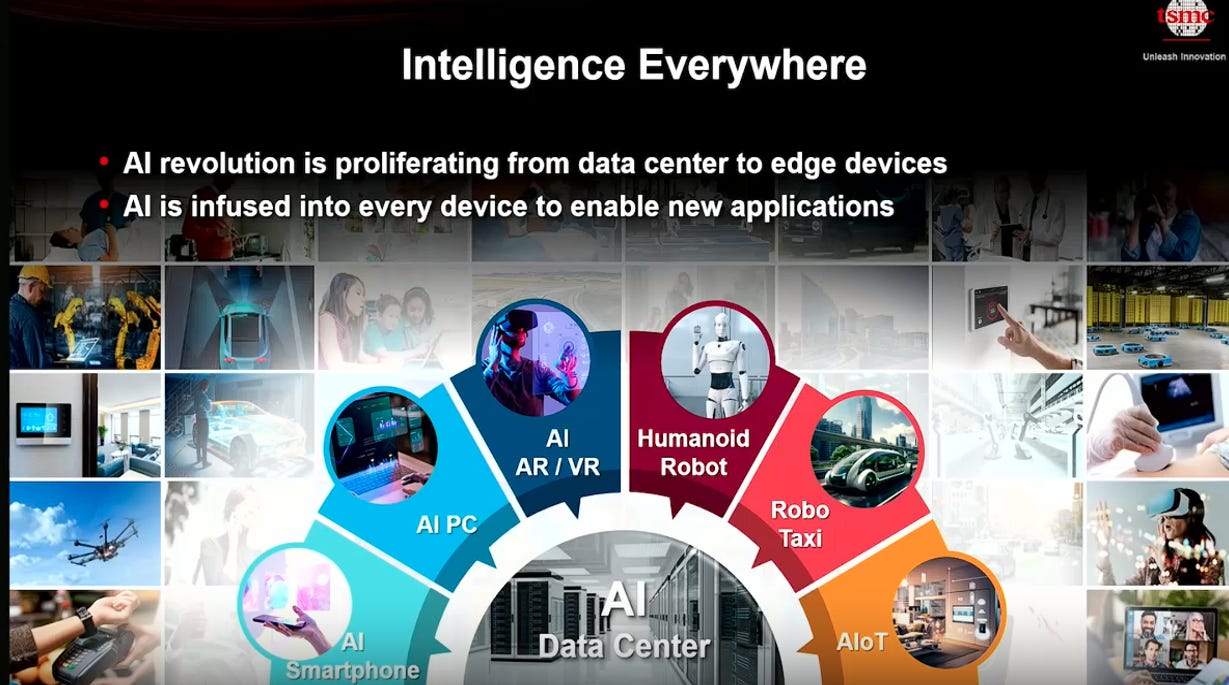
Hardware is only half the battle. To prevent becoming a mere contract manufacturer, India is aggressively building out its sovereign AI capabilities. The cabinet-approved IndiaAI Mission acts as the digital superstructure designed to sit directly on top of this domestic hardware base.
The mission’s cornerstone is the creation of a massive, public-private high-performance computing infrastructure. This involves sourcing and provisioning over 10,000 high-end AI graphics processing units (GPUs). Instead of allowing computing power to be concentrated in the hands of a few tech monopolies, India’s model is heavily focused on democratization. Startups, researchers, and public enterprises will have subsidized access to this high-speed infrastructure, lowering the entry barrier for localized AI innovation.
Furthermore, the IndiaAI Innovation Centre is tasked with developing homegrown foundational models—Linguistic Large Models (LLMs) trained specifically on India’s 22 official languages and diverse dialects. This initiative aims to bridge the digital divide, allowing non-English speaking demographics to access cutting-edge generative AI services in farming, local governance, and healthcare.
The Macro View: Geopolitical Hedge and Market Outlook
From an international trade perspective, India’s aggressive tech posture represents a massive geopolitical hedge. The ongoing technology cold war between Washington and Beijing has exposed the fragility of concentrated semiconductor supply chains. By anchoring foreign giants like Micron and PSMC on its soil, India offers global enterprises a politically neutral, logistically sound manufacturing hub.
However, industry analysts warn of substantial roadblocks. Building semiconductor fabs is notoriously capital-intensive and demands hyper-consistent electricity, massive quantities of ultra-pure water, and highly specialized local engineering talent. While India possesses abundant software talent, translating that into physical fabrication skills is an uphill climb. To counter this, the government has integrated semiconductor engineering curricula into over 300 universities nationwide, attempting to prime a workforce of 85,000 skilled engineers over the next five years.
If executed correctly, the payoffs will be monumental. The semiconductor market in India is projected to cross $64 billion by 2026, while the domestic AI economy is expected to contribute up to $500 billion to India’s GDP by 2035. For global investors, the PIB factsheet is clear evidence that New Delhi is no longer waiting for the future—it is building the hardware to run it.
Frequently Asked Questions (FAQ)
1. Why is India choosing to build fabs now instead of relying on imports?
The COVID-19 pandemic and rising geopolitical tensions in the Taiwan Strait highlighted severe vulnerabilities in global supply chains. By establishing domestic fabs and advanced packaging facilities, India secures its national security interests, cushions local manufacturing sectors (like automotive and smartphones) against global chip shortages, and reduces its import dependency on foreign silicon.
2. How does the IndiaAI Mission differ from Western AI initiatives?
While Western AI development is predominantly led by private venture capital and major tech companies focused on commercial applications, the IndiaAI Mission is a public-private partnership. Its primary goals are public-interest AI, developing localized multilingual models to serve non-English speaking citizens, and democratizing high-performance GPU compute access for domestic startups and academic institutions.