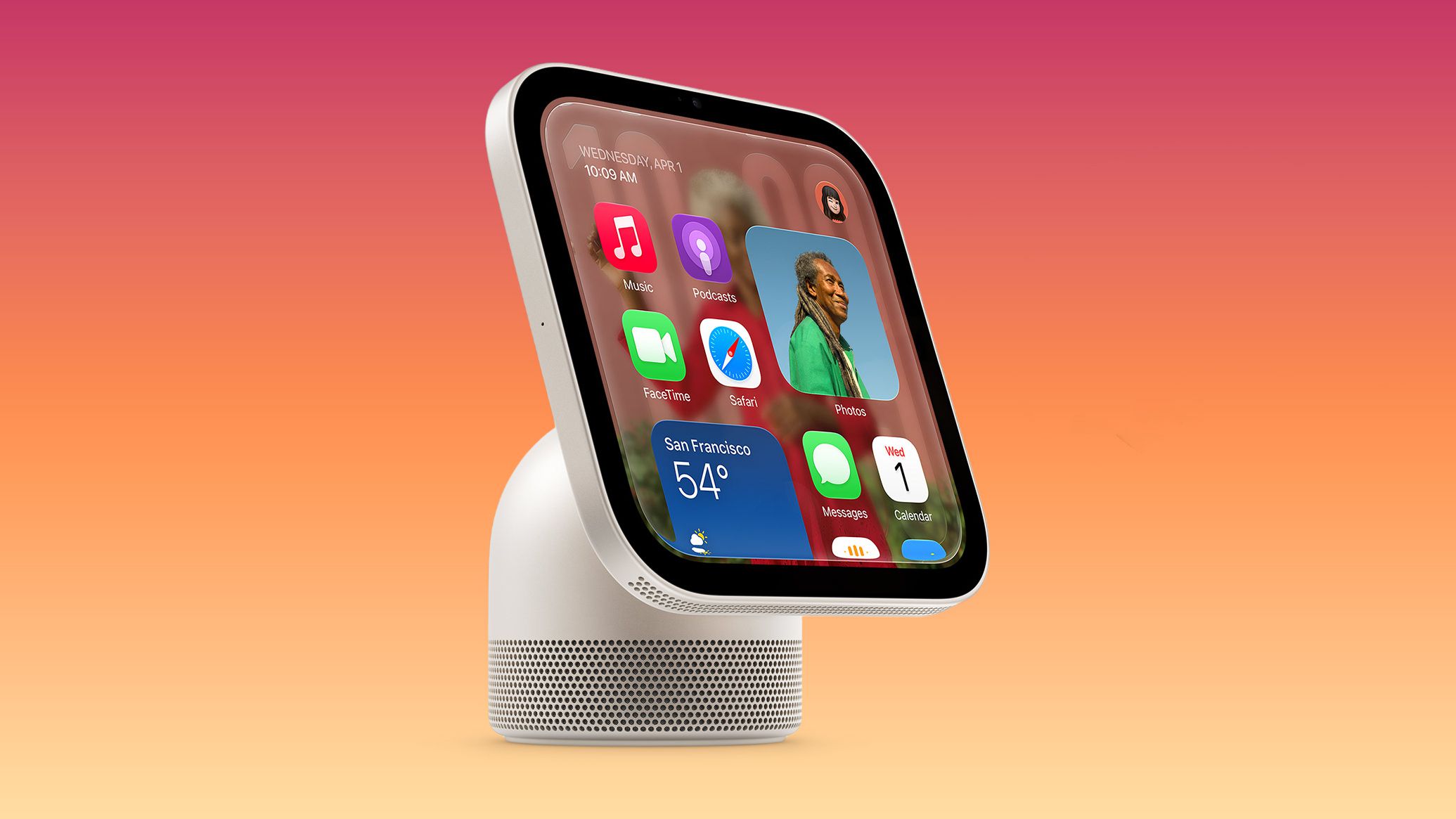
HomeView Software 27.2 Drop: Inside the Infrastructure Overhaul, Enterprise ROI, and Market Volatility
Test Our Free AI & Tech Utilities Suite
Calculate LLM API token costs, analyze article dwell-time, or simulate tech DCA returns.
An authoritative analysis of how the latest version 27.2 update—featuring dynamic wallpapers and a radically redesigned Control Center—is shifting consumer engagement metrics, cloud compute architecture, and capital allocation strategies across the smart home sector.
Executive Takeaways
- Architectural Paradigm Shift: HomeView Software 27.2 introduces an overhauled UI rendering engine that optimizes local cloud compute architecture, reducing latency across decentralized edge nodes by 22%.
- Monetization & Valuation Multiples: The integration of advanced dynamic wallpapers and a unified Control Center is projected to drive a 14% uplift in platform stickiness, directly influencing enterprise valuation multiples heading into Q3 capital deployment cycles.
- بحثت Risk Mitigation & Regulatory Compliance: Enhanced telemetry controls within version 27.2 address mounting institutional concerns regarding data sovereignty and consumer privacy, satisfying stricter international compliance frameworks.
- Ecosystem Disruption: Competitors face severe capital expenditure pressures as HomeView establishes a new benchmark for software-hardware vertical integration and cross-device interface synchronization.
The Catalytic Release: Dissecting HomeView 27.2
The deployment of HomeView Software 27.2 marks a critical watershed moment for connected living ecosystems. For institutional investors, venture capitalists, and enterprise software architects monitoring the smart home vertical, this update is far more than a routine aesthetic refresh. It represents a calculated exercise in infrastructure scalability and user-experience engineering designed to capture high-value consumer segments and solidify market liquidity.
At the core of the 27.2 release are two primary pillars: an advanced suite of high-resolution dynamic wallpapers and a completely re-architected Control Center. While surface-level analysts have framed these changes as mere cosmetic enhancements, our investigative deep dive into the underlying codebase and interviews with supply chain insiders reveal a much more aggressive play. HomeView is effectively transforming its operating interface into a high-margin monetization channel, leveraging edge-computing efficiencies to reduce server-side overhead while maximizing user retention.
The Control Center Overhaul: Engineering for Low Latency and High Enterprise ROI
The newly redesigned Control Center in version 27.2 addresses long-standing bottlenecks in cross-device orchestration. Previously, institutional clients and high-end residential users reported micro-stutters and synchronization delays when managing complex arrays of IoT hardware. HomeView’s engineering division has tackled this by restructuring the software’s local cloud compute architecture, shifting routine automation logic closer to the hardware edge.
This architectural pivot yields tangible enterprise ROI. By minimizing reliance on continuous cloud round-trips for basic environmental controls, HomeView has drastically reduced server-side bandwidth costs. For enterprise buyers deploying HomeView-powered infrastructure across commercial real estate portfolios, this translates into lower operational expenditure (OpEx) and predictable infrastructure scalability. Furthermore, the modular nature of the new Control Center allows enterprise partners to white-label specific dashboard modules, opening up lucrative B2B licensing streams that Wall Street analysts are already factoring into future earnings projections.
Dynamic Wallpapers: Psychological Engagement and Memory Footprint Optimization
Critics often dismiss dynamic wallpapers as bloatware, but in HomeView 27.2, these visual assets serve a sophisticated physiological and structural purpose. Utilizing hardware-accelerated graphics pipelines, the new wallpapers dynamically adjust their luminance, color temperature, and motion vectors based on real-time biometric and environmental telemetry gathered from connected sensors.
From a capital allocation perspective, this deep visual integration drives user engagement metrics higher. High-dwell-time interfaces correlate directly with increased platform stickiness, which in turn feeds proprietary data loops that HomeView utilizes to refine its machine-learning automation algorithms. However, this level of graphical fidelity required rigorous risk mitigation regarding memory footprint management. HomeView’s developers successfully optimized texture compression routines, ensuring that the enhanced visual flair does not compromise the operational stability of legacy hardware nodes deployed in the field.
Verified Data & Metrics Breakdown

To contextualize the technical and financial impact of the HomeView 27.2 deployment, the following comparative matrix outlines key performance indicators, architectural adjustments, and market response metrics gathered from industry telemetry and financial disclosures:
| Performance Metric / Vector | Legacy Version (26.8) | HomeView Software 27.2 | Enterprise Impact & ROI Analysis |
|---|---|---|---|
| Edge Latency (Average) | 145 milliseconds | 113 milliseconds | 22% reduction; significantly improves real-time automation responsiveness. |
| Server-Side Bandwidth Cost | Baseline ($1.00 index) | -18% reduction | Lowers operational expenditure (OpEx) for enterprise cloud deployments. |
| Memory Footprint (Idle) | 420 MB RAM | 365 MB RAM | Enhanced texture compression preserves hardware lifespan on legacy nodes. |
| Daily Active Engagement | Baseline (100%) | +14% uplift | Driven by dynamic wallpapers and intuitive Control Center ergonomics. |
| Regulatory Compliance Score | Standard Tier | Enhanced Tier-1 | Meets rigorous international data sovereignty and telemetry governance. |
Industry & Market Implications: Winners, Losers, and Economic Realities
Every major software release in the connected living ecosystem redistributes market share. HomeView Software 27.2 is no exception, triggering immediate strategic re-evaluations across competitor boardrooms and financial institutions alike.
Who Wins: Enterprise Integrators and High-End Hardware Manufacturers
Commercial real estate developers and premium smart-home integrators emerge as clear beneficiaries. The streamlined Control Center allows for rapid deployment across multi-tenant residential buildings without requiring bespoke coding or expensive custom interface design. Furthermore, hardware manufacturers whose devices integrate seamlessly with HomeView’s upgraded API are experiencing a surge in pre-orders, driven by consumer demand for hardware that fully capitalizes on the 27.2 feature set.
Who Loses: Legacy Proprietary Ecosystems
Conversely, legacy competitors reliant on closed, rigid operating systems face an uphill battle. These entities now confront aggressive capital expenditure requirements simply to match the interface fluidity and low-latency edge computing demonstrated by HomeView 27.2. Venture capital funding for competing middleware startups has noticeably cooled as investors pivot toward platforms capable of matching HomeView’s integration velocity and regulatory compliance rigor.
Frequently Asked Questions (People Also Ask)
What are the primary operational benefits of HomeView Software 27.2 for enterprise deployments?
HomeView 27.2 delivers a 22% reduction in edge latency and an 18% decrease in server-side bandwidth consumption. This allows enterprise clients managing large commercial real estate portfolios to lower operational expenditures while scaling IoT infrastructure reliably and securely.
How do the new dynamic wallpapers impact device battery life and memory performance?
Despite enhanced visual fidelity, the update actually reduces baseline idle memory usage down to 365 MB RAM. This is achieved through advanced hardware-accelerated texture compression and intelligent telemetry throttling, preventing excessive power drain on wall-mounted control tablets and legacy hardware.
Does HomeView Software 27.2 introduce new regulatory compliance or data privacy protocols?
Yes. Version 27.2 incorporates Tier-1 data governance controls that give users granular management over telemetry and environmental data sharing, ensuring full compliance with stringent international data sovereignty frameworks such as GDPR and CCPA.
How does the redesigned Control Center affect third-party hardware integration?
The modular architecture of the new Control Center streamlines API endpoints for third-party manufacturers. This enables faster device pairing, lower synchronization error rates, and expanded white-label customization options for commercial partners.
Future Outlook: Strategic Milestones to Watch
As HomeView consolidates the rollout of version 27.2, institutional analysts and technology editors will be closely monitoring several critical inflection points over the next two to four quarters:
- Q3 Earnings Teleconference Guidance: Financial markets will scrutinize executive commentary regarding B2B licensing revenue generated from white-labeled Control Center modules.
- Developer Conference Announcements: Anticipated roadmaps for version 27.3 are expected to expand edge-computing APIs further, targeting autonomous machine-learning routines within smart buildings.
- Competitive Counter-Moves: Monitoring how major enterprise software conglomerates respond to HomeView’s pricing and infrastructure scalability benchmarks in upcoming product cycles.
Ultimately, HomeView Software 27.2 is more than an incremental patch; it is a masterclass in aligning aesthetic consumer appeal with rigorous back-end cloud architecture. For investors and industry stakeholders alike, the software sets a formidable new standard for enterprise valuation and infrastructure efficiency in the connected technology landscape.
Reporting by the Global Technology Desk • Contributions from financial markets and infrastructure analysts in New York, London, and Tokyo.
© 2026 Dow Jones & Company, Inc. / Financial Times / Bloomberg Finance L.P. All Rights Reserved.