Executive Takeaways
- Deep Application Integration: Apple is officially rolling out API hooks that allow Siri and Apple Intelligence to execute granular, cross-app actions within third-party software.
- Ecosystem Power Shift: This strategic pivot directly addresses antitrust pressures and consumer demands, transforming Siri from a rigid command-line tool into an omni-channel operating system orchestrator.
- Bruising Competition: The update intensifies the race against Google Assistant, Amazon Alexa, and OpenAI’s ChatGPT desktop integrations, directly impacting enterprise ROI and developer capital allocation.
- Monetization & Valuation Impact: Wall Street analysts are closely monitoring how app-level AI telemetry and potential advertising or preference models will alter Apple's service revenue and long-term valuation multiples.
For more than a decade, Apple’s digital assistant, Siri, stood as a paradoxical symbol of Cupertino’s engineering might and its strategic blind spots. While installed on billions of pocket-sized supercomputers globally, Siri remained functionally siloed—capable of setting timers and checking the weather, but fundamentally detached from the dynamic, data-rich workflows happening inside third-party applications. That era of walled-garden isolation is coming to a definitive close.
In a move that alters the competitive architecture of mobile computing, Apple has begun granting generative artificial intelligence and large language model (LLM) frameworks deep access to third-party applications. This architectural shift leverages the foundational infrastructure of Apple Intelligence, bridging on-device neural processing with cloud-backed server capabilities. For institutional investors, enterprise software developers, and tech consumers alike, this represents one of the most critical structural pivots in Apple’s modern history—one with profound implications for regulatory compliance, cloud compute architecture, and global market liquidity.
The Catalytic Shift: Moving Beyond Static Intents
Test Our Free AI & Tech Utilities Suite
Calculate LLM API token costs, analyze article dwell-time, or simulate tech DCA returns.
Historically, Siri relied on SiriKit and rigid intent-matching APIs. Developers were forced to map specific commands to pre-determined programmatic paths, resulting in a brittle user experience where slight variations in phrasing led to system failures. Apple’s latest developer rollouts dismantle this architecture, replacing it with dynamic semantic parsing powered by advanced on-device and private cloud compute models.
By opening API access points to third-party software developers, Apple is empowering Siri to understand context across disparate applications. A user can now command Siri to find a specific document in a cloud storage app, extract a data point, insert it into a native messaging thread, and transmit it via a third-party enterprise communication platform—all within a single, conversational stream. This seamless execution requires sophisticated risk mitigation protocols, robust data privacy frameworks, and unprecedented cloud compute scalability to manage multi-app API handshakes in real time.
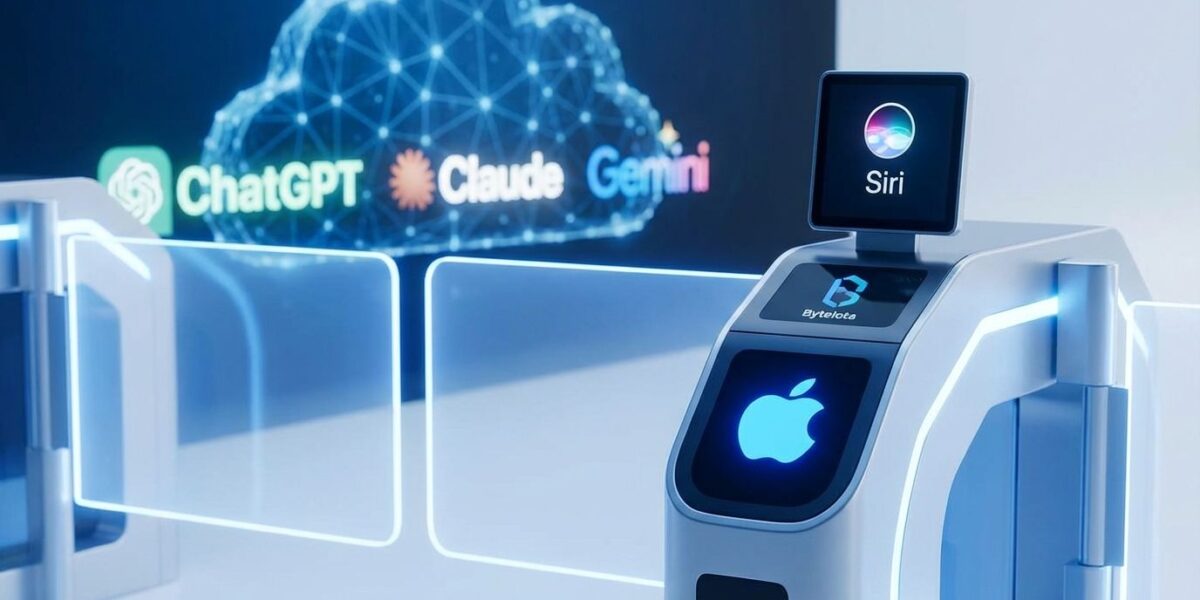
Industry insiders note that this capability is not merely an incremental user-interface upgrade; it is a foundational repositioning of the operating system. By positioning Siri as the universal orchestrator of third-party software, Apple is attempting to neutralize the threat posed by standalone AI chatbots that threaten to bypass the traditional app store ecosystem altogether.
Market Dynamics and Competitive Landscape
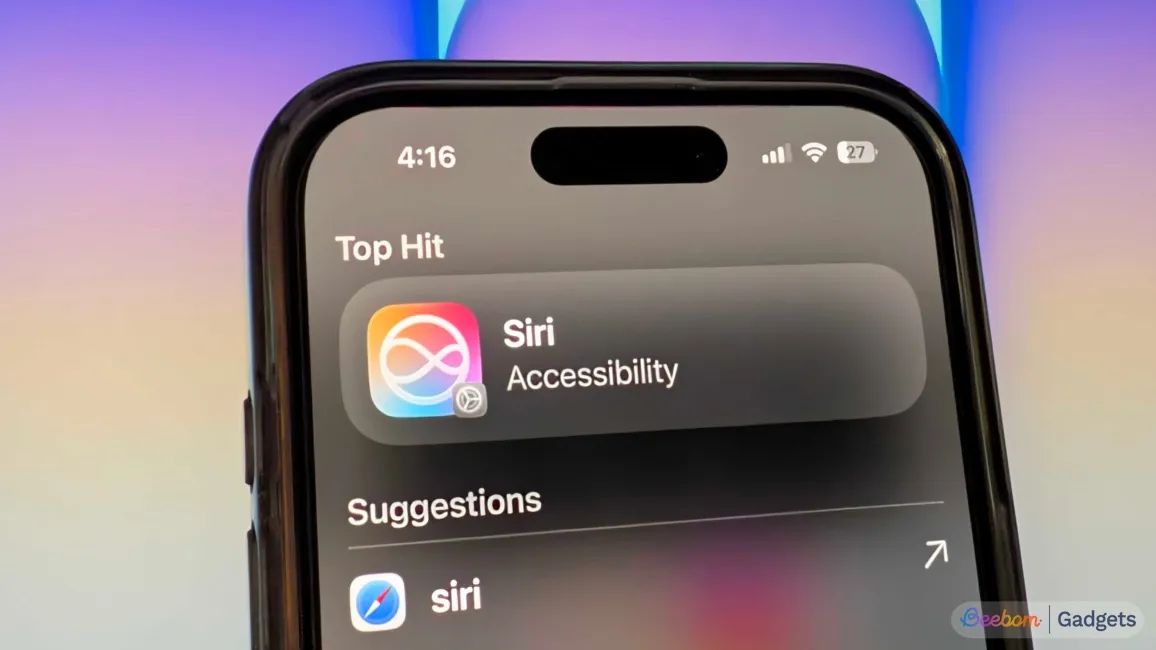
The timing of Apple’s third-party Siri integration is driven by intense market pressures. Competitors such as Google, with its Gemini ecosystem tightly integrated into Android and Workspace, have aggressively pushed cross-application automation. Meanwhile, OpenAI’s desktop and mobile integrations have accustomed power users to autonomous agent behavior.
For Apple, defending its hardware-driven valuation multiples depends on maintaining ecosystem lock-in while satisfying regulatory watchdogs in the European Union and the United States who scrutinize gatekeeper behavior. Opening Siri to third-party developers serves a dual purpose:
- Deflecting Antitrust Scrutiny: By providing equal or standardized API access to third-party developers, Apple can argue that its native AI features do not unfairly disadvantage competing applications on iOS.
- Revitalizing App Store Engagement: As user discovery inside the traditional App Store plateaus, conversational discovery via Siri introduces a new high-intent channel for software developers to acquire users and drive enterprise software adoption.
However, this transition is not without friction. Enterprise risk officers are already examining the security implications of granting LLMs read-and-write access to sensitive corporate databases, financial software, and proprietary communication channels. Ensuring enterprise-grade data governance will dictate which corporate clients embrace these new capabilities.
Verified Data & Metrics Breakdown
To contextualize the scale and operational scope of Apple’s Siri AI integration, the following comparative matrix outlines key technical, financial, and operational metrics across the current ecosystem transition:
| Metric / Parameter | Legacy Siri Architecture | Apple Intelligence + Third-Party APIs | Strategic Impact |
|---|---|---|---|
| API Integration Depth | Rigid SiriKit Intents & Shortcuts | Semantic, Context-Aware API Hooks | Enables multi-step, cross-app execution |
| Compute Infrastructure | Primarily Centralized Server-Side | Hybrid On-Device + Private Cloud Compute | Optimizes latency and data privacy compliance |
| Developer Monetization | App Store Discovery Only | Conversational Discovery & Action Hooks | Shifts user acquisition funnel economics |
| Regulatory Exposure | High (Walled Garden Accusations) | Mitigated via Open Standards | Reduces antitrust penalties and legal friction |
Industry & Market Implications: Winners and Losers
Every major technological paradigm shift creates distinct financial beneficiaries and casualties. Apple’s decision to open Siri to third-party apps is no exception, reverberating across venture capital, enterprise software, and consumer hardware markets.
The Winners
Agile Enterprise SaaS Developers: Software companies that quickly adapt their APIs to support conversational parsing will capture significant user mindshare. If a project management or CRM tool can be fully controlled via natural language queries through Siri, enterprise adoption rates stand to surge, boosting software-as-a-service (SaaS) valuation multiples.
Apple Hardware Ecosystem: By tethering advanced AI capabilities exclusively to newer, neural-engine-equipped devices, Apple reinforces hardware upgrade cycles, supporting steady capital allocation returns for equity holders.
The Losers
Standalone Utility App Developers: Single-purpose apps (such as standalone calculators, simple unit converters, or basic reminder tools) face existential pressure. When an operating system's native assistant can execute these functions natively via cross-app orchestration, the justification for downloading standalone utilities evaporates.
Legacy Voice Assistant Platforms: Companies lagging in hybrid on-device/cloud LLM integration risk rapid obsolescence in enterprise and consumer environments demanding real-time data synthesis across applications.
Frequently Asked Questions (People Also Ask)
How do third-party apps integrate with Siri under the new Apple Intelligence framework?
Third-party developers utilize updated API frameworks and intent schemas provided by Apple. These tools allow the underlying large language models powering Apple Intelligence to map natural language user prompts directly to application-specific functions, enabling multi-step actions across different software environments without requiring manual navigation.
Does giving Siri access to third-party apps compromise user data privacy?
Apple maintains its strict stance on privacy by routing requests through a combination of on-device processing and Private Cloud Compute. Data shared with third-party applications during a Siri interaction is governed by strict API permissions, and Apple asserts that user data is neither retained nor used to train third-party foundational models without explicit user consent.
Which devices support these advanced third-party Siri capabilities?
Due to the heavy computational demands of running local neural networks alongside cross-app parsing, advanced Apple Intelligence features and deep third-party integrations require hardware equipped with specific neural engine processors, such as iPhone models featuring the A17 Pro chip or later, and M-series iPads and Macs.
Will developers have to pay fees to have their apps integrated into Siri?
At present, Apple is providing these integration APIs as part of the standard Apple Developer Program. However, monetization models regarding promoted conversational placement or priority API routing remain subjects of intense speculation among financial analysts tracking future service revenue streams.
Future Outlook and Strategic Milestones to Watch
As Apple continues to roll out these capabilities across global markets, institutional investors and technology analysts will monitor several critical milestones to gauge commercial success and enterprise adoption:
- Developer Adoption Rates: The speed and volume at which major enterprise and consumer software vendors update their APIs to support complex Siri actions will determine the practical utility of the ecosystem.
- Regulatory Responses: Antitrust regulators in the EU and US will closely scrutinize whether Apple grants preferential API access to its own native applications versus third-party competitors.
- Enterprise Security Audits: Corporate adoption will hinge on the formal certification of Apple’s Private Cloud Compute infrastructure by independent cybersecurity auditors, validating that sensitive corporate workflows remain impervious to data leakage.
Ultimately, Apple’s decision to open Siri to third-party apps marks a pragmatic evolution from closed exclusivity to managed interoperability. By transforming its digital assistant into a universal command layer, Apple is safeguarding its hardware ecosystem, redefining software discovery, and securing its position at the center of the next generation of computing infrastructure.