TOKYO / HONG KONG / SINGAPORE — Capital markets across the Asia-Pacific region displayed profound divergence today as institutional investors confronted a volatile convergence of macro headwinds. A deepening sell-off in high-beta technology equities, spurred by resetting expectations around global interest rate trajectories and elevated enterprise valuation multiples, clashed with a sharp rebound in crude oil benchmark prices. The resulting cross-currents produced a highly fragmented trading session, exposing structural vulnerabilities in tech-heavy indexes while offering temporary relief to energy-rich and commodity-focused regional benchmarks.
As sovereign yield curves reflect persistent inflationary pressures in Western economies, global portfolio managers are aggressively re-evaluating risk exposure. The rapid rotation out of microchip, consumer hardware, and software software-as-a-service (SaaS) names highlights a market adjusting to elevated capital expenditure costs, tightening corporate liquidity, and re-calibrated timelines for enterprise artificial intelligence (AI) return on investment (ROI).
Executive Takeaways
Test Our Free AI & Tech Utilities Suite
Calculate LLM API token costs, analyze article dwell-time, or simulate tech DCA returns.
- Tech Valuation Pressure Accelerates: Semiconductor manufacturing giants and cloud computing hardware providers across East Asia absorbed heavy selling pressure as rising US benchmark yields compressed dynamic valuation multiples.
- Crude Oil Rebounds on Supply Dynamics: Brent Crude and West Texas Intermediate (WTI) futures erased recent losses, climbing past key technical resistance levels due to strict OPEC+ production discipline and heightened geopolitical friction across global maritime trade routes.
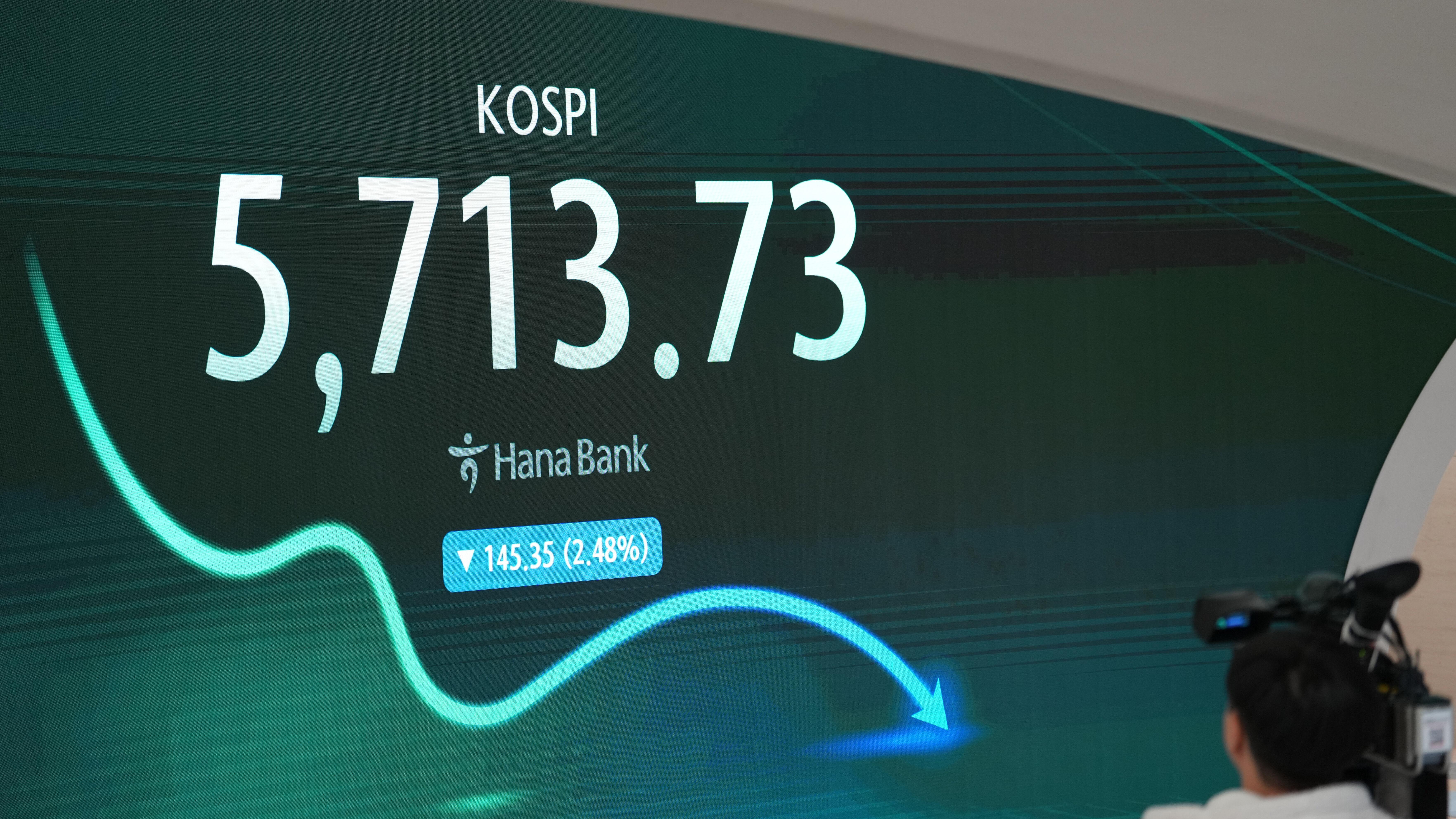
- Geographic & Sector Divergence: Resource-dense indexes like Australia’s S&P/ASX 200 registered resilience, whereas tech-heavy benchmarks—including Japan’s Nikkei 225, South Korea’s Kospi, and Hong Kong’s Hang Seng Tech Index—suffered systemic declines.
- Tactical Rotation in Asset Allocation: Global institutional allocators are executing capital shifts, rotating out of momentum tech plays into cash-flow-generative commodities, short-duration value equities, and inflation-hedged instruments.
The Macro Narrative: Anatomy of a Dual-Track Market

1. The Tech Repricing and Cloud Capex Scrutiny
For the past three quarters, global market performance was anchored by an unprecedented rally in artificial intelligence infrastructure equities. However, early regional morning trading signaled a definitive shift in investor sentiment. The contagion originated in Western tech hubs, where market participants began pricing in a prolonged "higher-for-longer" monetary stance by the Federal Reserve, driving the 10-year US Treasury yield upward and dampening the net present value (NPV) of distant growth earnings.
In East Asia, the physical supply chain for global technology bore the brunt of this macro shift. Major chipmakers and foundry operators, including Taiwan Semiconductor Manufacturing Co. (TSMC), Samsung Electronics, SK Hynix, and Tokyo Electron, recorded substantial capital outflows. Beyond interest rate expectations, buy-side analysts point to mounting institutional skepticism regarding near-term cloud compute architecture monetization. While hyperscalers continue to commit billions in enterprise infrastructure spending, corporate end-users are taking longer than anticipated to convert generative AI pilots into high-margin operational revenue.
This reality check has forced equity research desks to re-evaluate structural growth projections. Multiple compression is hitting names trading at premium enterprise value-to-EBITDA multiples, especially those requiring massive physical infrastructure scalability and sustained capital expenditures (capex) to maintain technological leadership.
2. Energy Markets Rebound on Geopolitical and Supply Realities
Running counter to the technology retreat was a decisive rally in physical commodities. Crude oil benchmark prices surged, driven by a combination of tight physical market fundamentals, strategic inventory draws, and escalating risk premiums along critical energy supply chokepoints. Brent crude traded above $85 per barrel, while WTI pushed toward the upper boundaries of its recent trading channel.
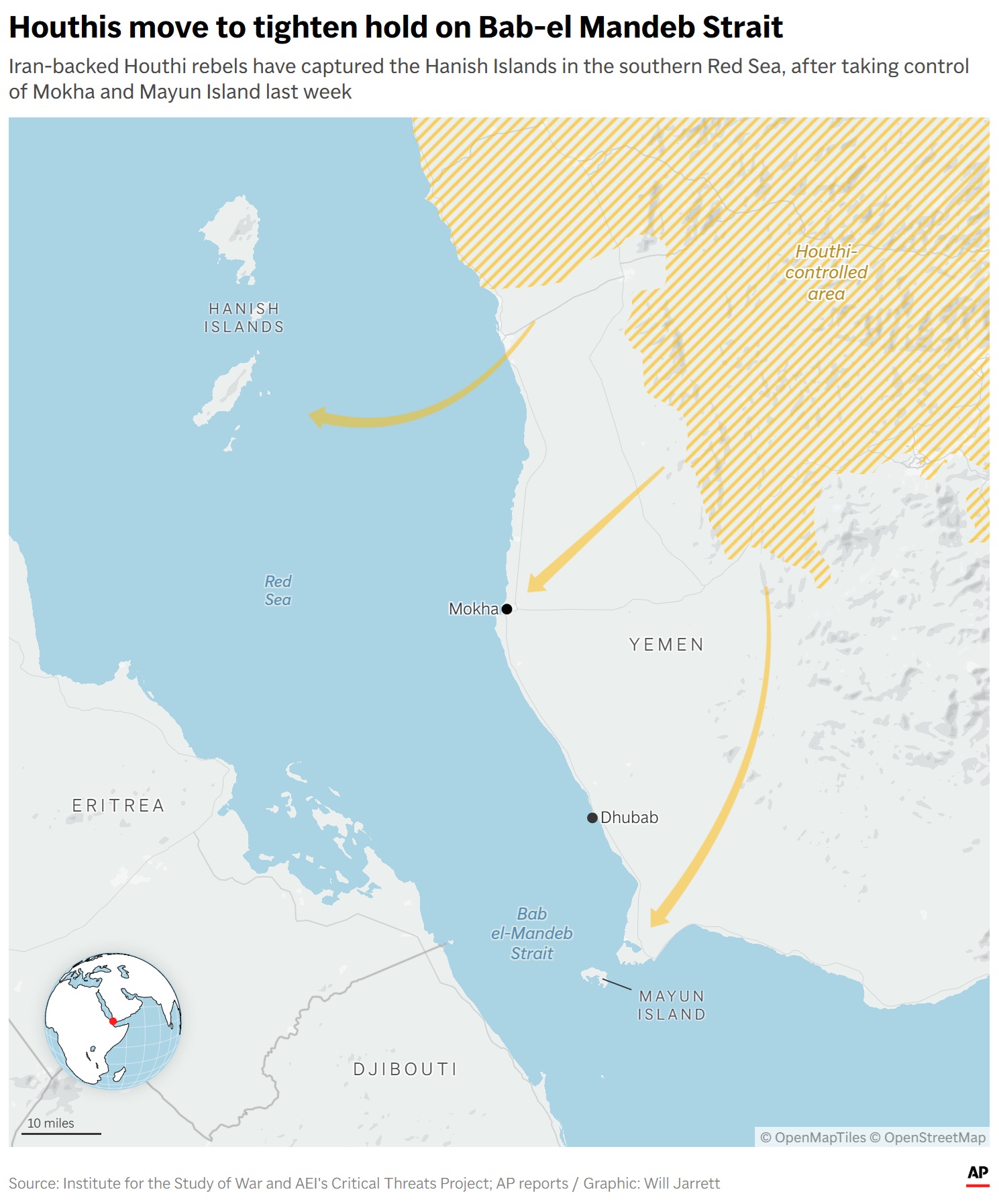
OPEC+ voluntary production quotas remain the primary supply-side anchor, constraining global output at a time when refining margins are showing localized strength. Concurrently, maritime risk in the Red Sea and broader Middle Eastern transit zones continues to force global shipping lines to bypass the Suez Canal, rerouting tankers around the Cape of Good Hope. This added ton-mile demand effectively locks up physical crude afloat, reducing immediate market liquidity and inflating freight rate structures.
The energy rally served as an inflationary impulse that further complicate central bank policy tracks. For resource-importing Asian economies—such as Japan, South Korea, and Taiwan—rising energy input costs threaten to squeeze corporate operating margins while adding unwanted downward pressure on local currencies against a dominant US dollar.
3. Foreign Exchange Strain and Policy Constraints
The macroeconomic divergence exacerbated foreign exchange volatility across Asia. The Japanese Yen hovered near multi-decade lows against the US dollar, keeping market participants on high alert for physical intervention by Japan's Ministry of Finance. Despite the Bank of Japan’s historical pivot away from its negative interest rate policy (NIRP), the yield differential between Japanese Government Bonds (JGBs) and US Treasuries remains wide enough to fuel persistent carry trade dynamics.
Similarly, the South Korean Won and Chinese Offshore Yuan faced selling pressures. Central banks across Asia find themselves in a policy trilemma: attempting to maintain domestic monetary easing to support fragile real estate and economic recoveries while simultaneously defending currency stability against elevated US benchmark yields and rising raw material import costs.
Verified Market Performance & Metrics Breakdown
The following table illustrates the divergence across regional stock indexes, key commodities, and benchmark fixed-income assets during today's Asian trading session:
| Market / Asset Class | Benchmark Index / Ticker | Session Performance (%) | Key Fundamental Drivers | Valuation Impact |
|---|---|---|---|---|
| Japan Equities | Nikkei 225 | -1.85% | Tech sell-off, yen volatility, JGB yield adjustments | Multiple compression in chip equipment vendors |
| South Korea Equities | Kospi Index | -1.42% | Memory chip profit-taking, foreign capital outflows | Downward revision in short-term hardware margins |
| Hong Kong Tech | Hang Seng Tech Index | -2.10% | US rate sensitivity, regulatory compliance concerns | P/E multiple contraction across SaaS platforms |
| Australia Equities | S&P/ASX 200 | +0.45% | Energy & mining sector rally, resource hedging | Expansion in free cash flow yield for energy majors |
| Global Crude Oil | Brent Crude Futures | +1.75% | OPEC+ supply tightness, shipping route disruption | Expanded refining margins and inventory pricing power |
| US Benchmark Rates | 10-Year US Treasury Yield | +5 bps (4.38%) | Hawkish Fed sentiment, sticky CPI inflation data | Increased discount rates for growth equity DCF models |
Industry & Sector Implications: Re-Aligning Institutional Portfolios
The operational and financial consequences of today's market divergence extend across multiple critical industries, fundamentally altering corporate strategies and risk management frameworks.
Who Wins: Capitalizing on Supply Tightness and Hard Assets
- Upstream Oil & Gas Producers: Integrated energy majors and independent exploration and production (E&P) companies stand to benefit directly from elevated spot crude pricing, expanding operating margins and enhancing dividend distribution coverage ratios.
- Commodity Shipping & Logistics: Tanker operators and logistics firms with flexible fleet allocation are realizing higher spot rate premiums as longer transit routes absorb global vessel capacity.
- Short-Duration Value & Defensive Equities: Financial institutions with strong net interest margins (NIMs) and defensive consumer staple producers are capturing rotated institutional capital seeking yield shelter.
Who Loses: Exposed to Supply Chain Costs and High Beta
- Semiconductor Equipment Manufacturers: High-beta hardware providers face near-term valuation pullbacks as institutional buyers trim exposure to wait for clearer enterprise software monetization trends.
- Aviation & Fuel-Intensive Logistics: Commercial airlines and freight networks face immediate cost structure pressure from rising jet fuel prices (crack spreads), threatening operating margin stability.
- Rate-Sensitive Real Estate & High-Leverage Tech: Emerging SaaS platforms relying on continuous external capital raising face higher debt refinancing costs and reduced access to private equity growth capital.
Frequently Asked Questions (People Also Ask)
Why are Asian technology stocks declining despite long-term enthusiasm for artificial intelligence?
While the long-term structural narrative for artificial intelligence remains intact, short-term equity pricing is driven by macro cash flows and discount rates. Rising benchmark yields increase the discount rate applied to future corporate earnings, disproportionately penalizing high-valuation growth equities. Furthermore, institutional asset managers are scrutinizing near-term corporate capital allocation, requiring enterprise buyers to prove clear return on investment (ROI) on expensive cloud hardware deployments before bidding multiples higher.
How does a rebound in crude oil prices impact Asian central bank policies?
Most major East Asian economies (excluding energy exporters like Malaysia and Australia) are net energy importers. Higher crude oil prices inject imported cost-push inflation into domestic economies, threatening consumer purchasing power and elevating input costs for industrial production. This limits the ability of central banks—such as the Bank of Korea or the Bank of Japan—to ease monetary policy, forcing them to maintain tighter financial conditions to defend local currencies and contain inflation expectations.
What is driving the divergence between the ASX 200 and tech-heavy indexes like the Nikkei 225?
The structural composition of these indexes explains the divergence. Australia’s S&P/ASX 200 is heavily weighted toward resource extraction, mining, and energy production equities, which benefit directly from rising physical commodity prices. In contrast, Japan’s Nikkei 225 and South Korea’s Kospi feature significant concentration in high-beta semiconductor, automation, and electronic component manufacturing names that are vulnerable to global technology valuation contractions.
How are institutional portfolio managers adjusting risk mitigation strategies right now?
Institutional investors are prioritizing cash flow sustainability, low debt-to-equity leverage ratios, and pricing power. Strategy shifts include shortening portfolio duration, reducing exposure to unprofitable software and hardware companies with inflated P/E ratios, and allocating capital into energy, critical minerals, sovereign debt, and derivative cross-currency hedges to protect against ongoing foreign exchange volatility.
Future Outlook: Strategic Milestones to Watch
As markets navigate this split environment, corporate executives, treasurers, and portfolio managers must track several pivotal milestones over the coming quarters:
First, upcoming quarterly earnings reports from tier-one global cloud service providers (CSPs) and enterprise software providers will be critically parsed. Investors will focus on explicit metrics detailing AI-driven revenue growth relative to ongoing compute architecture capital expenditures.
Second, central bank rate decisions—most notably from the US Federal Reserve and the Bank of Japan—will determine whether foreign exchange volatility stabilizes or triggers formal currency market intervention by Asian monetary authorities. Any secondary shift in yield curve dynamics will immediately impact equity valuation models globally.
Finally, the operational discipline of OPEC+ and ongoing maritime supply route developments will dictate whether crude oil remains a persistent inflationary threat or stabilizes within a manageable range. In this environment, corporate resilience will depend on disciplined capital allocation, rigorous cost control, and strategic supply chain risk mitigation.