The 'Exoskeleton' Whispers: Inside the Viral Mobility Rumors Swirling Around Donald Trump’s Campaign Trail
In the modern arena of high-stakes political theater, physical stature and perceived vitality are as much a currency as policy platforms. For former U.S. President Donald Trump, whose political brand has long been anchored in an image of robust, untiring strength, a series of viral videos has thrust a highly unusual debate into the public eye. Across social media platforms, critics and digital sleuths are dissecting Trump’s posture and gait, sparking bizarre and unverified rumors that the 78-year-old leader may be utilizing an under-suit medical exoskeleton to maintain his mobility.
While mainstream medical experts and political analysts caution against diagnosing public figures via highly edited social media clips, the rapid spread of the "exoskeleton theory" underscores a deeper, more volatile reality: the physical fitness of America’s political class has become a critical battleground for voters, strategists, and global markets alike.
The Anatomy of a Viral Rumor: What the Videos Show
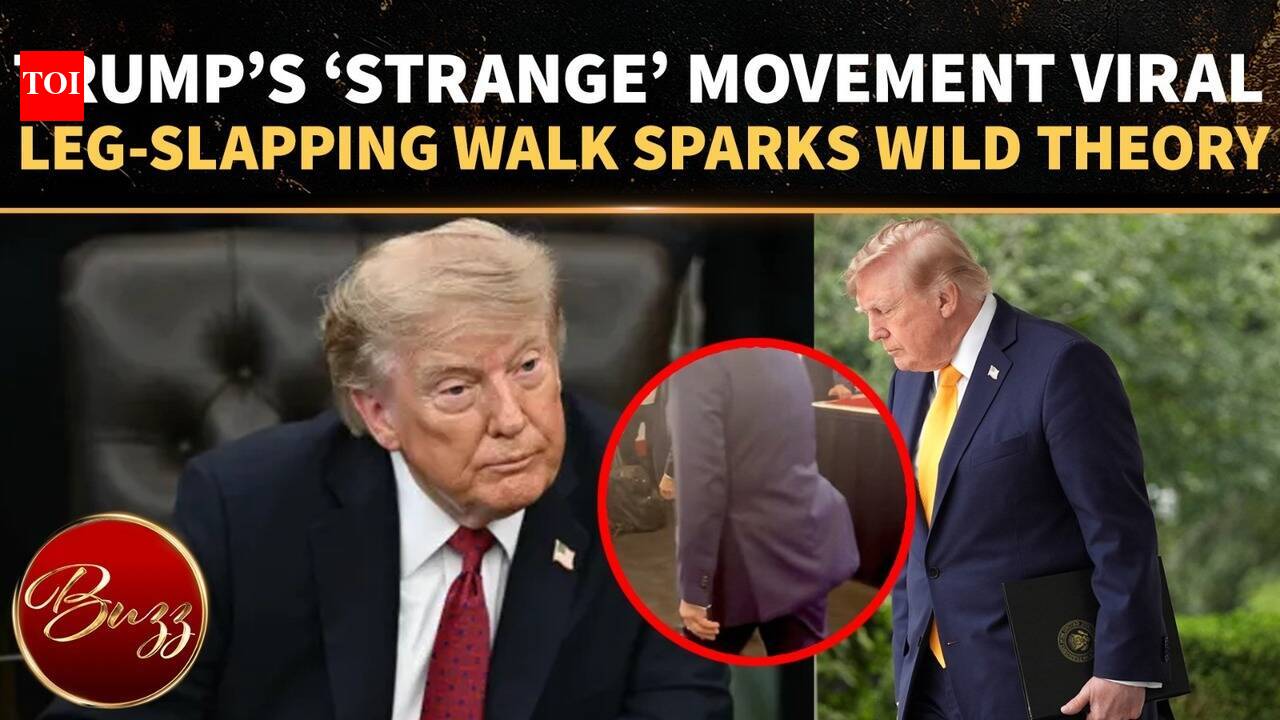
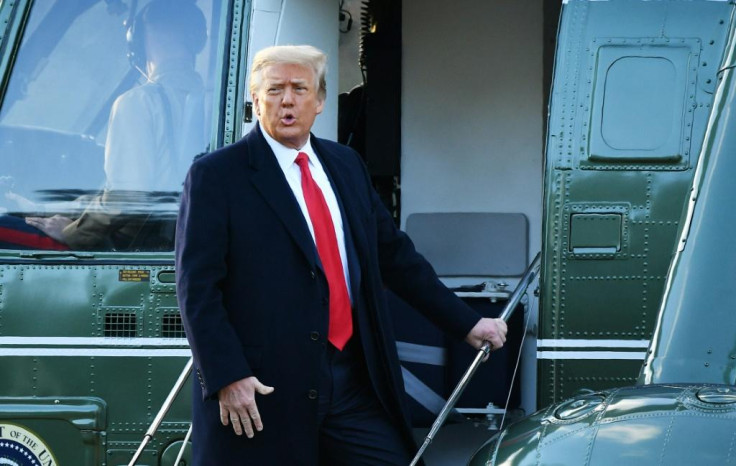
The online speculation gained traction following a series of public appearances where observers noted a stiffness in the former president’s movements. Critics pointed specifically to footage of Trump descending stairs, boarding his private aircraft, and standing behind podiums during recent campaign rallies.
Those driving the narrative argue that his suit jackets appear unusually rigid around the shoulders and lower back, suggesting a concealed structural harness or assistive walking device underneath his clothing. Terms like "passive exoskeleton" and "mobility harness" quickly trended on platforms like X (formerly Twitter) and TikTok, accompanied by slow-motion close-ups and side-by-side comparisons of his walking patterns over the years.
However, orthopedic and apparel design experts offer a far more mundane explanation. Tailoring choices, heavy fabric construction, and the natural physical adjustments of a tall individual navigating uneven surfaces or steep steps in front of flashing cameras are highly likely to blame. Despite the lack of credible evidence, the speed with which the rumor proliferated highlights the highly polarized nature of contemporary political discourse.
Executive Summary: The Mobility Debate at a Glance
- The Core Event: Viral social media clips showing stiff movements have fueled unsubstantiated claims that Donald Trump utilizes an under-suit exoskeleton or mobility orthotic.
- The Context: The rumors emerge amid heightened scrutiny regarding the age, stamina, and cognitive health of top political leaders heading into critical electoral cycles.
- The Market/Political Impact: Perception of a candidate's health directly influences donor confidence, voter enthusiasm, and market stability regarding future policy continuity.
- Expert Consensus: There is zero verified medical evidence supporting the exoskeleton claims; experts attribute the visual anomalies to standard aging, protective gear (such as concealed ballistic vests), and tailored apparel.
Why Physical Vitality Dictates Market and Political Sentiment
To global investors and Wall Street strategists, the health of a presidential frontrunner is not merely a matter of tabloid gossip—it is a metric of geopolitical risk. In an era marked by deep partisan divides, the perceived physical decline of a major party leader can trigger sudden shifts in market volatility, policy predictability, and national security sentiment.
Historically, the physical vulnerability of a leader has been closely guarded. From Franklin D. Roosevelt's polio to John F. Kennedy's chronic back pain, administrations have historically gone to great lengths to project vigor. Today, in the age of high-definition smartphones and instantaneous digital distribution, concealing even a minor slip or momentary loss of balance is virtually impossible.
With both major political factions in the United States navigating the realities of aging candidates, any perceived physical vulnerability is instantly weaponized by opposing campaigns to signal a lack of capability to handle the grueling demands of the Oval Office.
A Comparative Look: Modern Political Health Scrutiny
To understand the current climate of scrutiny, it is essential to look at how physical incidents involving major political figures have historically transitioned from viral moments to mainstream political liabilities.
| Political Figure | Physical Event / Observation | Viral Narrative / Public Reaction | Verified Explanation / Outcome |
|---|---|---|---|
| Donald Trump | Stiff gait, rigid posture, careful descent of ramps/stairs. | Speculation regarding "exoskeletons," hidden medical braces, or neurological decline. | Standard aging, heavy suiting, and cautious movement on slick surfaces. |
| Joe Biden | Stumbles on Air Force One stairs, stiff walking gait. | Widespread concern over age-related frailty and executive capability. | Diagnosed stiff gait due to spinal arthritis and mild sensory peripheral neuropathy. |
| Hillary Clinton (2016) | Fainting/stumbling episode at a 9/11 memorial service. | Conspiracy theories regarding terminal illnesses and hidden body doubles. | Dehydration and a previously undisclosed bout of walking pneumonia. |
The Business of Aging: The Rise of Longevity and Assistive Tech
While the claims surrounding Trump remain firmly in the realm of internet speculation, the underlying technology of exoskeletons is experiencing a massive boom. The global rehabilitation robotics and exoskeleton market is projected to reach billions of dollars by the end of the decade, driven by an aging global population and advancements in wearable motorized frames.
Today's state-of-the-art medical exoskeletons are designed to assist patients recovering from strokes, spinal cord injuries, or severe osteoarthritis. However, these devices are typically bulky, visible, and require external battery packs, making the idea of a fully concealed, silent, under-the-suit mobility device highly improbable for anyone actively participating in high-intensity public rallies.
Future Outlook: The War of Optics Continues
As the political calendar advances, the scrutiny surrounding the physical endurance of all political figures is set to intensify. For the Trump campaign, the strategy will likely focus on projecting energy through high-octane, multi-hour speeches and active public appearances designed to dispel any notions of physical decline.
In a media landscape where perception is often treated as reality, the "exoskeleton" rumors serve as a stark reminder of the challenges facing public figures in the digital age. Moving forward, the ability to command the stage physically will remain just as critical as the ability to command it rhetorically.
Frequently Asked Questions
Is there any credible medical evidence that Donald Trump uses an exoskeleton?
No. There is no verified medical evidence or official confirmation to support the theory that Donald Trump uses an exoskeleton. Orthopedic specialists and apparel experts attribute his stiff movement to natural aging, heavy tailoring, and the caution required when navigating stairs or stages under intense lighting and media presence.
Why are physical mobility issues treated with such high priority by political campaigns?
Physical vitality is directly linked to the public perception of leadership capability, strength, and resilience. In presidential politics, any sign of physical vulnerability is quickly scrutinized by opponents, as it can influence voter confidence, campaign fundraising, and even international diplomatic perceptions regarding a leader's stamina.