
Australia's Central Bank Unleashes 18-Year Rate High: The Unvarnished Truth Behind the Inflationary Crucible & What It Means for Global Capital
Test Our Free AI & Tech Utilities Suite
Calculate LLM API token costs, analyze article dwell-time, or simulate tech DCA returns.
Executive Takeaways
- The Reserve Bank of Australia (RBA) has elevated its official cash rate to an 18-year peak, marking the latest aggressive maneuver in a sustained global campaign against persistent inflation, now standing at 4.35%.
- This decisive action targets a stubbornly high domestic CPI, driven by resilient consumer demand, tightening labor markets, and the lingering aftershocks of global supply chain disruptions and energy price volatility.
- The hike immediately intensifies pressure on Australia's highly indebted households, particularly mortgage holders, posing significant questions about consumer spending trajectories and the real estate market's valuation multiples.
- For institutional investors and global enterprises, the move signals a continued tightening cycle, necessitating robust risk mitigation strategies and recalibrated capital allocation frameworks across asset classes, with implications for market liquidity and foreign exchange dynamics.
The Unrelenting Inflationary Crucible: Australia's Fight for Price Stability
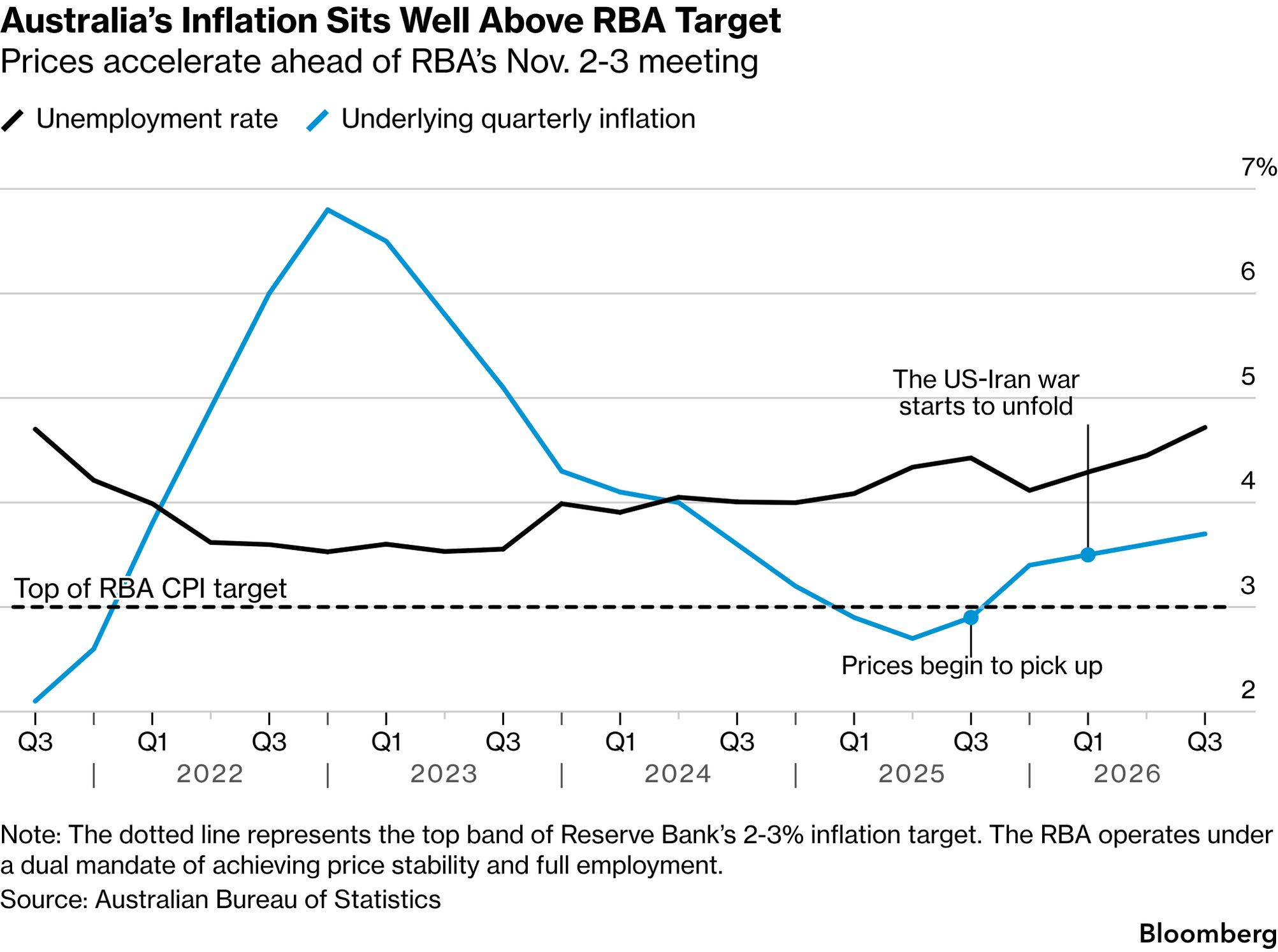
In a move that underscores the global central banking community's unwavering resolve to quell inflationary pressures, the Reserve Bank of Australia (RBA) has lifted its official cash rate to 4.35%, its highest level since April 2011. This latest increment, following a period of intense deliberation and a brief pause, shatters any lingering hopes of an imminent pivot, signaling a deep-seated concern within the RBA about the entrenched nature of price growth across the Australian economy. This comprehensive report, drawing on extensive market intelligence and financial analysis, dissects the multifaceted drivers behind this critical policy decision and its profound implications for domestic households, enterprises, and the intricate web of global financial markets.
The journey to this 18-year high has been anything but linear. For years leading up to the pandemic, Australia, like many developed economies, grappled with persistently low inflation, often below the RBA's target band of 2-3%. The initial response to the COVID-19 crisis saw unprecedented monetary and fiscal stimulus, including a record-low cash rate of 0.1% and quantitative easing measures designed to bolster market liquidity and support economic activity. This expansive monetary policy, while crucial during the acute phase of the crisis, laid the groundwork for future inflationary challenges by injecting substantial capital into the system.
The catalytic events that shifted the RBA's focus from stimulus to contraction are well-documented yet continue to evolve. Global supply chain dislocations, exacerbated by geopolitical tensions and regional lockdowns, initially drove up the cost of imported goods. Concurrently, a robust post-pandemic recovery in domestic demand, fueled by accumulated savings and government support, collided with these constrained supply lines. The energy crisis, stemming from the conflict in Ukraine, further amplified inflationary pressures, embedding higher costs across almost every sector of the economy, from manufacturing to logistics and services.
Domestically, a surprisingly resilient labor market has proven to be a double-edged sword. While low unemployment rates (currently near multi-decade lows) are generally positive, they have led to upward pressure on wages, a critical component of services inflation. The RBA's mandate encompasses both price stability and full employment, creating a delicate balancing act. The latest hike reflects the central bank's assessment that the risks of entrenched inflation now outweigh the risks of overtightening, even if it means sacrificing some near-term economic growth. This prioritization of long-term price stability is a cornerstone of effective monetary policy and essential for maintaining investor confidence and stable asset valuation multiples.
The Mechanics of Monetary Transmission: How Rate Hikes Impact the Economy
The RBA's rate hikes operate through a well-established monetary policy transmission mechanism. By increasing the overnight cash rate, the RBA directly influences the cost of borrowing for commercial banks. These higher funding costs are then passed on to consumers and businesses in the form of increased interest rates on mortgages, personal loans, and enterprise credit facilities. This elevates debt servicing capacity requirements, dampening consumer spending and business investment. For highly leveraged sectors, such as real estate development and certain infrastructure scalability projects, the rise in financing costs directly impacts project viability and enterprise ROI projections.
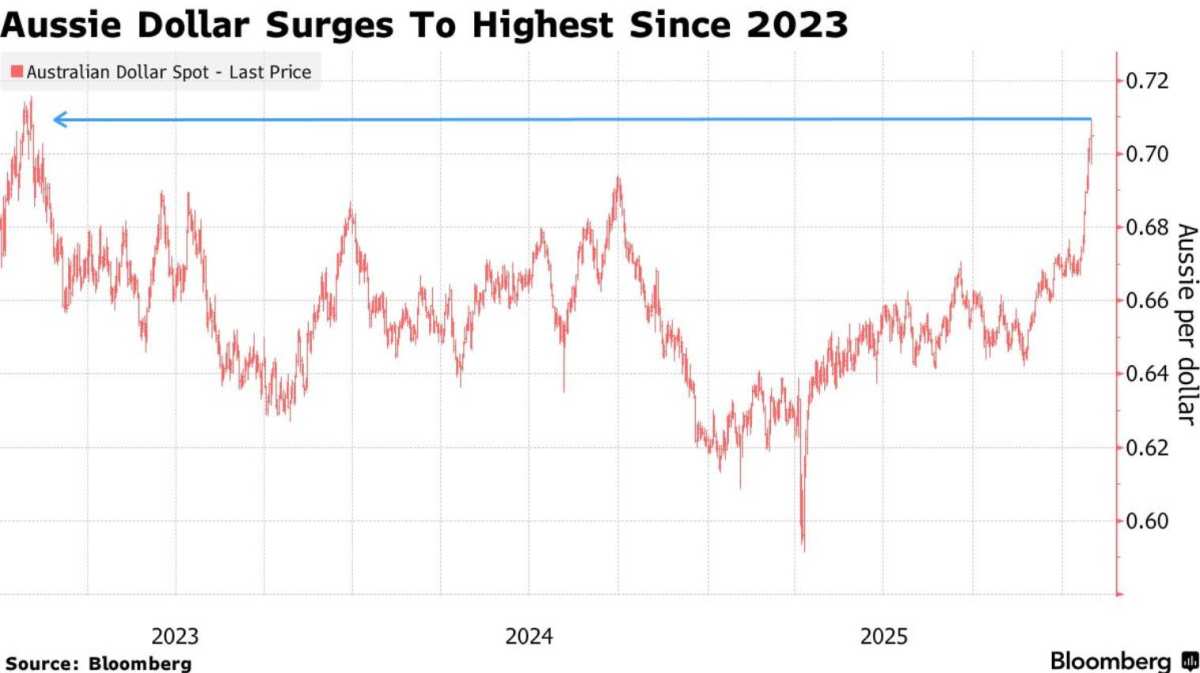
Furthermore, higher interest rates tend to strengthen the Australian Dollar (AUD) in the short term, although this effect can be mitigated by global risk sentiment and commodity price movements. A stronger AUD makes imports cheaper, which can help to reduce imported inflation, but it also makes Australian exports more expensive, potentially impacting the competitiveness of domestic industries in global markets. The central bank's decision, therefore, is not merely a domestic matter but has ripple effects across international capital flows and foreign exchange trading desks.
Verified Data & Metrics Breakdown: Australia's Economic Barometer
To fully grasp the magnitude of the RBA's decision and the economic context, a detailed examination of key metrics is essential:
| Metric | Latest Value | Previous Value | Historical Context | Date/Period |
|---|---|---|---|---|
| Official Cash Rate (OCR) | 4.35% | 4.10% | Highest since April 2011 (18-year high) | Nov 2023 |
| Annual CPI Inflation | 5.4% | 6.0% | Peaked at 7.8% (Dec 2022) | Q3 2023 |
| Core CPI (Trimmed Mean) | 5.2% | 5.9% | Reflects underlying inflation | Q3 2023 |
| Unemployment Rate | 3.6% | 3.7% | Near 50-year lows | Sep 2023 |
| GDP Growth (Annual) | 2.1% | 2.3% | Slowing, but still positive | Q2 2023 |
| Household Debt-to-Income Ratio | 187% | 188% | Among the highest in the world | Q2 2023 |
Industry & Market Implications: Winners, Losers, and Broad Economic Impact
The RBA's aggressive stance will undoubtedly redraw the lines of economic advantage and disadvantage across various sectors and investor cohorts. Understanding these implications is crucial for sophisticated capital allocation and proactive risk mitigation.
Who Wins?
- Commercial Banks: While higher rates can increase funding costs, they often lead to expanded net interest margins (NIMs) as banks pass on increased rates to borrowers faster than they raise deposit rates. However, this upside is balanced against the potential for increased loan defaults, particularly in heavily mortgaged sectors. Robust regulatory compliance and risk management frameworks become paramount.
- Savers and Retirees: Individuals relying on interest income from deposits will see improved returns, offering a much-needed boost to their fixed-income portfolios.
- Value-Oriented Investors: In an environment of higher discount rates, growth stocks with distant earnings streams tend to underperform. Value stocks, often characterized by strong cash flows and lower valuation multiples, may become more attractive.
- Sectors with Strong Pricing Power: Businesses able to pass on higher costs to consumers without significant loss of demand will be better positioned to maintain profitability.
Who Loses?
- Mortgage Holders and Highly Leveraged Households: With Australia's household debt-to-income ratio among the highest globally, variable-rate mortgage holders will experience substantial increases in monthly repayments, significantly squeezing disposable income and impacting consumer discretionary spending. This directly affects retail sales and leisure industries.
- Real Estate and Construction: Rising interest rates cool the housing market by reducing affordability and increasing development costs. This can lead to downward pressure on property asset valuation and a slowdown in new construction projects, impacting related supply chains and infrastructure investment.
- Growth Stocks and Tech Enterprises: Higher interest rates increase the discount rate used to value future earnings, making long-duration assets less attractive. Technology companies, often reliant on future growth projections, may face headwinds, influencing venture capital and private equity investment decisions.
- Sectors Dependent on Consumer Discretionary Spending: Retail, hospitality, and tourism face a challenging environment as households prioritize essential spending over non-essential purchases.
- Small and Medium-sized Enterprises (SMEs): Often less able to absorb increased borrowing costs than larger corporations, SMEs may face tighter credit conditions, impacting their ability to invest and expand. This highlights the importance of robust capital structures and efficient capital allocation.
Broader Economic Impact
The cumulative effect of these rate hikes is designed to temper aggregate demand, bringing it back in line with supply capacity and thus reducing inflation. However, the path is fraught with the risk of an economic slowdown or even a recession. Market liquidity could tighten as investors reallocate capital from riskier assets. The RBA's actions also contribute to the broader global trend of monetary tightening, potentially influencing cross-border capital flows and impacting international trade dynamics. Enterprises with global supply chains and diversified investment portfolios must factor these macro-financial shifts into their strategic planning and financial modeling.
People Also Ask (FAQ)
Q1: Why is Australia's inflation proving so stubborn, necessitating an 18-year rate high?
A: Australia's inflation persistence stems from a confluence of factors. While global energy and supply chain shocks initiated the surge, domestic elements are now playing a dominant role. A remarkably tight labor market has fueled significant wage growth, contributing to services inflation. Furthermore, robust household balance sheets, accumulated during the pandemic with substantial savings, maintained strong consumer demand despite earlier rate hikes. Housing costs, including rents and new dwelling construction, remain elevated. The RBA's current action reflects a concern that these domestic pressures are entrenching inflation expectations, making it harder to return to the target band without more decisive monetary policy intervention.
Q2: How will this latest rate hike impact my mortgage repayments and overall personal finances?
A: For Australian mortgage holders, particularly those on variable rates or whose fixed-rate terms are expiring, this hike will translate to immediate and notable increases in monthly repayments. With Australia having one of the highest household debt-to-income ratios globally, the cumulative effect of rate increases is significantly eroding disposable income. This tightening will force many households to re-evaluate their budgets, reduce discretionary spending, and potentially draw down on savings. It also puts pressure on housing affordability, as borrowing capacity shrinks. Financial planning and proactive engagement with lenders for potential hardship relief are crucial for affected individuals.
Q3: What are the primary risks associated with such an aggressive monetary tightening cycle for the Australian economy?
A: The primary risk is an "overshoot" – where the RBA tightens monetary policy too aggressively, triggering an unnecessary economic recession or a significant downturn in employment. Given the lags in monetary policy transmission, the full impact of current and past rate hikes may not yet be evident. Other risks include: a sharp decline in housing asset valuation, which could trigger financial instability; a significant rise in loan defaults across consumer and enterprise credit; and a substantial slowdown in business investment, impeding future productivity growth and infrastructure scalability. The RBA's challenge lies in threading the needle between curbing inflation and avoiding a severe economic contraction.
Q4: When can we expect interest rates in Australia to start falling, and what factors will influence that decision?
A: Predicting the exact timing of rate cuts is challenging, as it hinges entirely on incoming economic data. The RBA has repeatedly emphasized that its future decisions will be "data-dependent." Key factors influencing a potential pivot to rate cuts would include: a sustained and significant decline in headline and core inflation towards the RBA's 2-3% target band; clear evidence of a softening labor market (e.g., rising unemployment); and a material slowdown in consumer spending and economic activity. Until there is compelling evidence that inflation is decisively under control and on a path to target, the RBA is likely to maintain a restrictive stance. Market analysts currently project rate cuts are unlikely before late 2024 or early 2025, contingent on these economic indicators.
Future Outlook: Navigating Uncertainty and Key Milestones
The RBA's latest move firmly entrenches Australia within the global cohort of central banks committed to a "higher for longer" interest rate paradigm. The immediate future for the Australian economy will be characterized by continued vigilance and adjustment. The RBA has indicated that while further tightening is possible, it remains dependent on incoming data, specifically inflation prints, wage growth figures, and employment reports. Governor Bullock's forward guidance will be meticulously scrutinized by financial market participants for any subtle shifts in tone or policy trajectory.
Key milestones to watch include the upcoming quarterly CPI reports, which will provide critical insights into the effectiveness of past rate hikes in dampening price pressures. Monthly unemployment figures and retail sales data will offer real-time indicators of labor market resilience and consumer spending resilience, respectively. For global investors and multinational enterprises, monitoring these data points is paramount for informing capital allocation decisions, refining risk mitigation frameworks, and adjusting portfolio diversification strategies.
The medium-term outlook suggests a period of slower economic growth as the full impact of higher borrowing costs filters through the economy. While a "soft landing" remains the RBA's objective, the path is narrow and fraught with challenge. Global economic headwinds, such as persistent geopolitical tensions, volatile commodity markets, and the potential for a global growth slowdown, add layers of complexity. Enterprise ROI will be increasingly sensitive to effective cost management, operational efficiency, and strategic investment in areas like cloud compute architecture for enhanced agility and data analytics to optimize decision-making in a tightening credit environment. The Australian financial landscape is entering a period where robust financial stewardship, strategic foresight, and adaptive business models will be critical for navigating the post-inflationary landscape and ensuring sustainable growth.


