By the Investigative Desk | Global Cybersecurity & Markets Bureau
Published: August 12, 2026 — Primary Wire Source: CyberSecurityNews
Executive Takeaways
- The 30 Tbps Threshold: The escalation of global botnets—fueled by compromised IoT endpoints and unpatched cloud APIs—has breached the 30 terabits-per-second barrier, forcing enterprise CISOs to re-evaluate infrastructure scalability and capital allocation for defensive tech.
- Mitigation Speed as a Valuation Metric: In 2026, time-to-mitigation is no longer merely an IT metric; it directly impacts corporate valuation multiples and operational continuity during peak transactional windows.
- Regulatory Compliance and Risk Mitigation: With stricter global compliance frameworks enforcing heavy penalties for avoidable downtime, selecting a tier-1 DDoS mitigation partner is now a board-level risk-mitigation mandate.
The 2026 Threat Landscape: Anatomy of the 30 Terabit Flood
As global commerce becomes increasingly decentralized and cloud-dependent, malicious actors have weaponized automated threat architectures capable of generating unprecedented volumetric attacks. The digital infrastructure of 2026 operates in an era where a 30 Tbps flood is no longer a theoretical doomsday scenario discussed in academic papers, but a documented operational reality. According to intelligence compiled from CyberSecurityNews, threat actors have consolidated disparate botnets—leveraging unsecured enterprise APIs, misconfigured edge servers, and millions of unpatched edge-computing devices—into synchronized, hyper-distributed assault networks.
For executive leadership teams, the financial implications are staggering. A single extended outage for a Fortune 500 financial institution or SaaS provider triggers catastrophic cascading failures, destroying customer trust, tanking quarterly revenues, and inviting severe regulatory scrutiny. Consequently, enterprise CIOs and Chief Risk Officers are locked in an intense capital allocation race, prioritizing cloud compute architecture that can absorb astronomical vector variations—from complex Layer 7 application-layer floods to monstrous Layer 3/4 volumetric assaults—without introducing latency penalties for legitimate end-users.
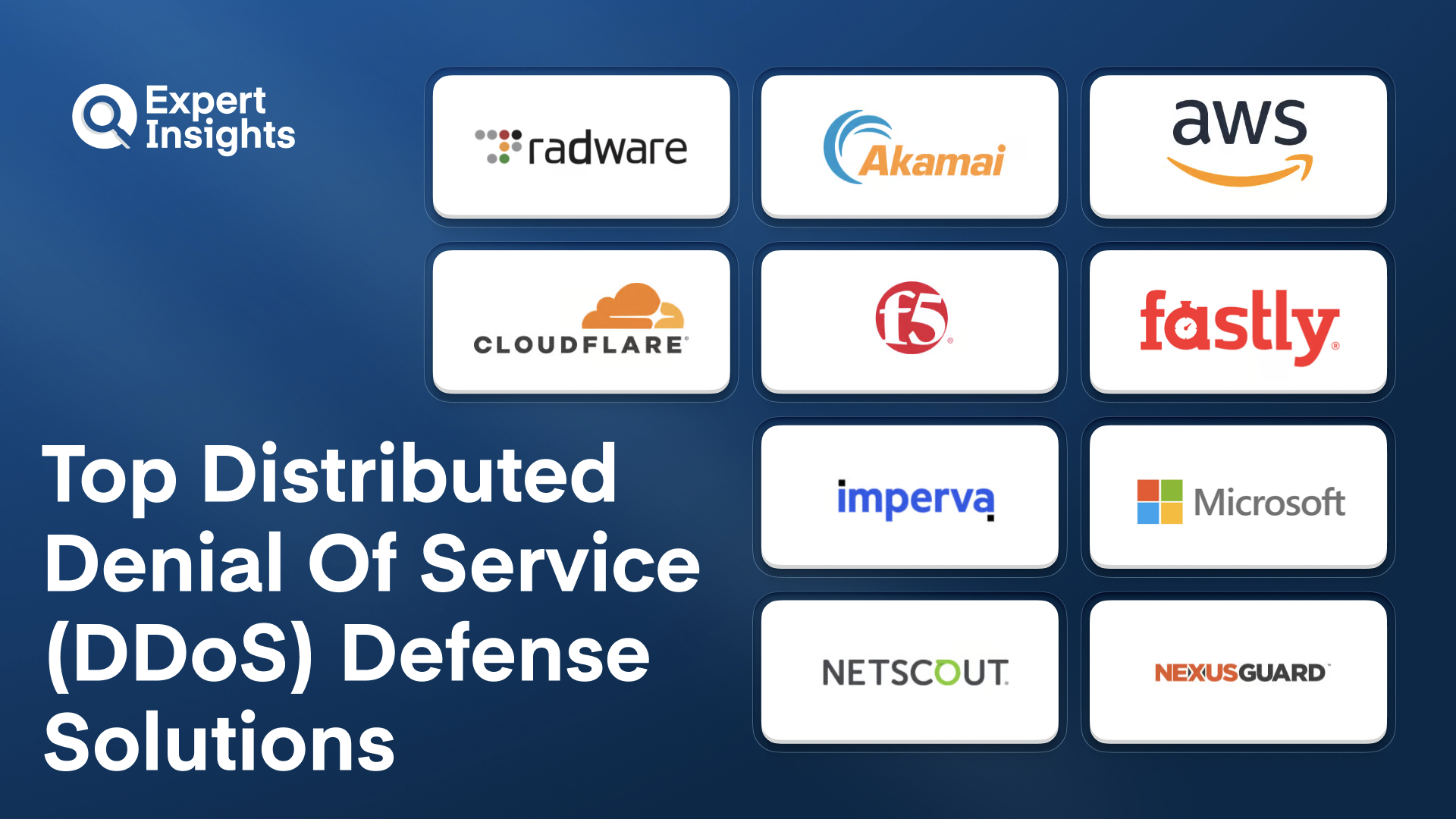
Navigating this hostile terrain requires a rigorous, data-driven evaluation of the market’s top defensive contenders. Below is our definitive, exhaustive ranking and comparison of the 10 best DDoS protection services of 2026, scored on scrubbing capacity, time-to-mitigation speed, and enterprise cost structure.
Comprehensive Breakdown: The Top 10 DDoS Protection Services of 2026
1. Cloudflare Enterprise Magic Transit
Capacity: 350+ Tbps Global Network Edge
Speed: Instantaneous (< 3 seconds automated heuristic detection)
Cost Structure: Premium tier-1 enterprise custom pricing (High ROI for massive global footprints)
Cloudflare continues to dominate the apex of the market in 2026. Its Anycast architecture absorbs the heaviest volumetric shocks at the absolute network edge. By pushing mitigation rules closer to the source of the traffic, Cloudflare effectively neutralizes attacks before they ever touch origin infrastructure. For enterprises managing high-liquidity financial platforms, Cloudflare’s programmability and edge compute capabilities offer unmatched risk mitigation.
2. Akamai Prolexic Routed
Capacity: 250+ Tbps Distributed Scrubbing Capacity
Speed: Sub-second mitigation via proprietary zero-second SLA targets
Cost Structure: High-end enterprise subscription; optimized for high-volume transactions
Akamai remains the gold standard for legacy-to-cloud hybrid architectures and multinational corporations requiring uncompromising uptime. Prolexic Routed utilizes deeply distributed high-capacity scrubbing centers equipped with patented threat intelligence engines. Akamai wins high marks from enterprise compliance officers due to its rigorous SLA guarantees and forensic reporting capabilities.
3. AWS Shield Advanced
Capacity: Scalable natively to AWS global network capacity (~230+ Tbps equivalent)
Speed: Real-time automated detection and integrated remediation
Cost Structure: Monthly retainer plus data transfer fees (Predictable for AWS-native setups)
For organizations operating entirely within the Amazon Web Services ecosystem, AWS Shield Advanced is the default operational choice. It seamlessly integrates with Amazon CloudFront, Route 53, and Elastic Load Balancing. Its economic efficiency shines for cloud-native firms that want to bypass third-party routing complexities while accessing 24/7 support from the AWS DDoS Response Team (DRT).
4. Google Cloud Armor Enterprise
Capacity: Leverages Google’s Tier-1 backbone (200+ Tbps global capacity)
Speed: Real-time inline mitigation using global threat intelligence
Cost Structure: Flat-rate enterprise subscription model combined with usage tiers
Google Cloud Armor harnesses Google’s legendary global network infrastructure to protect hybrid and multi-cloud environments. By combining adaptive protection policies with machine learning-driven anomaly detection, Cloud Armor successfully filters sophisticated volumetric and application-layer floods with negligible false-positive rates.
5. Microsoft Azure DDoS Protection
Capacity: Deeply integrated into Azure’s global WAN edge
Speed: Automated tuning and immediate mitigation upon threshold breach
Cost Structure: Standardized protection plan per virtual network plus data ingestion metrics
Tailored specifically for enterprise environments running heavy workloads on Azure, this service provides robust layer 3 and layer 4 monitoring. Its tight integration with Azure Sentinel allows security operations centers (SOCs) to correlate DDoS events with broader security telemetry, enhancing overall enterprise security posture.
6. Imperva Cloud DDoS Protection
Capacity: 150+ Tbps Global Scrubbing Network
Speed: Automated mitigation within 3 seconds of attack initiation
Cost Structure: Scalable enterprise pricing models based on bandwidth utilization
Imperva continues to excel in protecting complex web applications and APIs. Its multi-layered defense architecture ensures that volumetric attacks are scrubbed away without degrading the performance of legitimate transactional traffic, making it a favorite among global e-commerce platforms.
7. Radware DefensePro & Cloud DDoS Service
Capacity: 120+ Tbps Hybrid Scrubbing Capacity
Speed: Behavioral-based real-time signature generation (< 2 seconds)
Cost Structure: Hybrid appliance license plus cloud subscription options
Radware provides exceptional flexibility through its hybrid deployment model, allowing enterprises to maintain on-premises hardware defense alongside cloud scrubbing capabilities. This architecture is particularly appealing to financial institutions and telecom operators governed by strict data sovereignty mandates.
8. F5 Distributed Cloud DDoS Mitigation
Capacity: 100+ Tbps Global PoP Infrastructure
Speed: Rapid signature-less behavioral detection
Cost Structure: Enterprise SaaS consumption model
F5 bridges the gap between traditional application delivery controllers and modern cloud security. Its Distributed Cloud platform offers robust protection against sophisticated, multi-vector attacks, securing enterprise applications wherever they reside—on-premises, in private clouds, or across public multicloud architectures.
9. Sucuri Enterprise Security
Capacity: 80+ Tbps Anycast Network
Speed: Immediate edge filtering and proxy mitigation
Cost Structure: Predictable annual enterprise plans
While often associated with mid-market web security, Sucuri’s enterprise offering provides a streamlined, highly effective alternative for organizations seeking rapid deployment and simplified operational management without sacrificing rigorous volumetric protection.
10. Neustar Security Services (Verisign/UltraDDoS Protect)
Capacity: 100+ Tbps Global Scrubbing Network
Speed: Sub-second diversion and mitigation
Cost Structure: High-tier enterprise custom contracts
Known for its rock-solid DNS and DDoS protection pedigree, Neustar (now operating under expanded security leadership) delivers carrier-grade resiliency. It remains a trusted partner for top-tier telecommunications companies and critical infrastructure operators.
Verified Data & Metrics Breakdown Table
| Provider | Scrubbing Capacity | Mitigation Speed | Primary Architecture | Enterprise Cost Efficiency |
|---|---|---|---|---|
| Cloudflare Enterprise | 350+ Tbps | < 3 Seconds | Anycast Edge | High (Best for Global Scale) |
| Akamai Prolexic | 250+ Tbps | Sub-Second SLA | Scrubbing Centers | Moderate-High (Premium SLA) |
| AWS Shield Advanced | 230+ Tbps (Native) | Real-Time | Cloud-Native Integration | High (For AWS Environments) |
| Google Cloud Armor | 200+ Tbps | Real-Time Inline | Global Backbone | High (Multi-Cloud / GCP) |
| Microsoft Azure DDoS | 150+ Tbps | Automated Tuning | Azure WAN Edge | Moderate (Per-VNet Pricing) |
| Imperva Cloud DDoS | 150+ Tbps | < 3 Seconds | Proxy & Scrubbing | Moderate-High |
| Radware DefensePro | 120+ Tbps | < 2 Seconds | Hybrid (Appliance + Cloud) | Flexible Licensing |
| F5 Distributed Cloud | 100+ Tbps | Signature-less | Distributed PoPs | Consumption-Based |
| Sucuri Enterprise | 80+ Tbps | Edge Filtering | Anycast Proxy | High (Predictable Plans) |
| Neustar UltraDDoS | 100+ Tbps | Sub-Second | Carrier-Grade Scrubbing | Custom Enterprise Tier |
Industry & Market Implications: Winners, Losers, and Economic Realities
The maturation of the 30 Tbps threat vector has triggered a fundamental realignment in corporate technology spending. Enterprise budgeting cycles for fiscal year 2026 clearly reflect that cybersecurity is no longer viewed as a discretionary IT expense, but as a core pillar of operational liquidity and enterprise risk mitigation. Companies that fail to invest in tier-1 scrubbing capacity face existential threats, as automated extortion campaigns increasingly target vulnerabilities during peak financial reporting or high-volume transactional periods.
Who Wins: Cloud-native cybersecurity giants with proprietary Anycast networks and massive global edge footprints—most notably Cloudflare, Akamai, and AWS—are capturing expanding market share. These entities possess the financial and infrastructural muscle to absorb multi-terabit floods without breaking a sweat, translating technological superiority into robust valuation multiples and recurring revenue streams.
Who Loses: Traditional data centers and legacy hosting providers relying on antiquated, appliance-based mitigation hardware are rapidly losing enterprise trust. These traditional setups buckle under modern multi-vector assaults, leaving clients exposed to prolonged outages. Furthermore, organizations relying solely on basic, built-in cloud provider defaults without advanced mitigation add-ons are discovering that low-cost solutions are wholly inadequate against coordinated, botnet-driven volumetric sieges.
Frequently Asked Questions (People Also Ask)
1. What is the current maximum DDoS attack size recorded in 2026?
By mid-2026, coordinated botnet architectures have successfully generated volumetric spikes crossing the 30 terabits-per-second (Tbps) threshold. These attacks leverage compromised edge devices, unpatched enterprise APIs, and automated amplification vectors to overwhelm traditional network boundaries.
2. How do enterprise DDoS protection services handle Layer 7 application attacks?
Unlike Layer 3 and Layer 4 volumetric floods (which aim to exhaust network bandwidth), Layer 7 attacks target specific application logic, such as login portals or database queries. Top-tier providers like Cloudflare, Akamai, and Imperva utilize advanced behavioral analysis, machine learning heuristics, and managed WAF (Web Application Firewall) rules to differentiate between legitimate human users and malicious automated scripts in real time.
3. Is cloud-native DDoS protection superior to on-premises hardware scrubbing?
For most enterprises, cloud-native and hybrid architectures are vastly superior. On-premises hardware is inherently limited by the physical capacity of the organization's incoming internet pipe; if a 30 Tbps attack hits an on-prem data center with a 100 Gbps connection, the pipe saturates instantly before the hardware can even inspect the traffic. Cloud scrubbing centers absorb and neutralize massive volumes miles away from origin servers.
4. How does DDoS protection impact enterprise capital allocation and ROI?
Investing in premier DDoS mitigation protects corporate revenue streams, prevents costly regulatory fines associated with avoidable outages, and preserves brand equity. While enterprise-tier solutions require substantial capital outlay, the ROI is measured in avoided catastrophic downtime—where a single hour of disruption can cost millions in lost transactions and market capitalization.
Future Outlook: What Comes Next in Cyber Defense
As we look toward the horizon of late 2026 and into 2027, the arms race between malicious botnet operators and defensive cybersecurity providers will increasingly be dictated by artificial intelligence. Autonomous threat actors are beginning to deploy generative AI to dynamically alter attack vectors in real-time, bypassing static signature defenses. In response, market leaders are rapidly integrating predictive AI scrubbing engines capable of anticipating attack patterns before volumetric thresholds are breached.
For enterprise executives, the directive is unambiguous: continuous auditing of cloud compute architectures, rigorous vendor stress-testing, and alignment with tier-1 security partners are mandatory prerequisites for survival in an increasingly volatile digital economy.