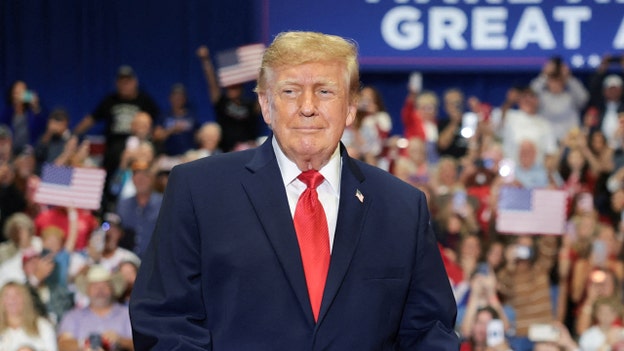
WASHINGTON / DUBAI — In a high-stakes escalation that has sent immediate shockwaves through global financial markets and diplomatic corridors, former U.S. President Donald Trump has issued a severe, unvarnished warning to Tehran. Trump declared that Iran will face immediate, fresh military strikes of unprecedented magnitude if its involvement is confirmed in a rapidly developing aviation security crisis involving a FlyDubai commercial airliner.
The unfolding geopolitical flashpoint has immediately vaulted to the top of global news agendas, triggering defensive maneuvers across international crude oil markets and drawing urgent attention from aviation regulators worldwide. As intelligence agencies race to verify the chain of events surrounding the FlyDubai flight, political leaders are scrambling to contain what could become the spark for a broader regional conflict in the Middle East.
The Ultimatum: Washington Draws a Hard Line
Speaking to reporters and releasing a sharply worded statement via digital channels, Trump pulled no punches regarding the safety of commercial air traffic and American interests in the volatile region. Emphasizing a doctrine of absolute deterrence, the statement underscored that any hostile action—direct or proxy—targeting civilian aircraft in contested airspace would meet swift and overwhelming retaliation.
"If Tehran or its proxies are found to have played any role in endangering the lives of innocent civilians aboard this FlyDubai flight, the response from the United States will be swift, decisive, and devastating," the warning communicated. Analysts note that the rhetoric mirrors the high-pressure deterrence strategies characteristic of Trump’s foreign policy framework, designed to force immediate calculations in Tehran's inner circles.
- Direct Warning: Trump explicitly links regional stability and the safety of civilian transit to the immediate threat of renewed U.S. military strikes.
- Intelligence Scrutiny: Defense and intelligence assets across the Middle East are currently evaluating telemetry, radar tracking, and communications data related to the FlyDubai incident.
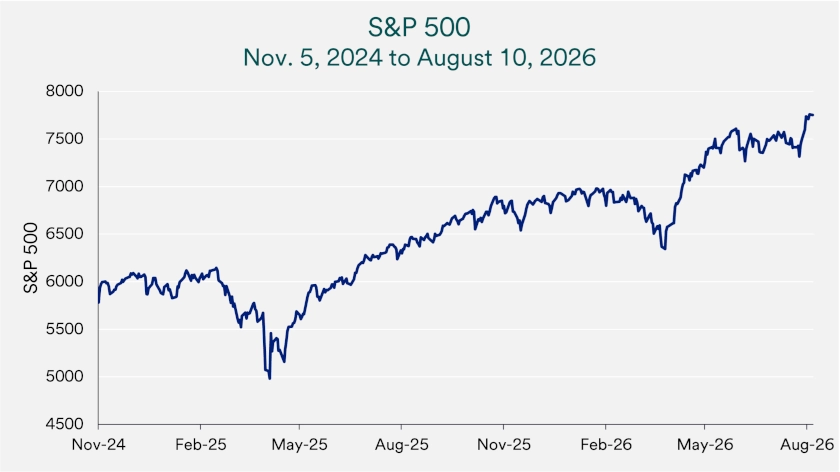
- Market Reaction: Brent crude and safe-haven assets experienced immediate volatility as traders priced in the growing risk of military escalation in the Persian Gulf.
Anatomy of the Crisis: What Happened to the FlyDubai Flight?

Details surrounding the FlyDubai incident remain fluid, but preliminary reports from aviation authorities indicate that the commercial aircraft encountered severe operational hazards while traversing a high-risk flight corridor. The incident has immediately drawn comparisons to historical tragedies involving commercial airliners inadvertently caught in the crosshairs of regional air defense systems.
Aviation safety experts point out that commercial carriers have been operating under heightened alert levels across Middle Eastern airspace due to persistent friction between state actors and regional militia groups. The inclusion of a major civilian carrier like FlyDubai into the security calculus elevates the stakes from localized geopolitical posturing to a global aviation crisis.
| Parameter | Details & Status |
|---|---|
| Primary Airline | FlyDubai (Commercial Passenger Carrier) |
| Geographic Zone | Middle East Airspace / Persian Gulf Corridor |
| U.S. Stance | Unconditional warning of military retaliation if Iranian culpability is proven |
| Market Impact | Immediate upward pressure on oil futures and airline stock sensitivity |
Geopolitical Fallout and Diplomatic Shockwaves
The timing of the threat comes at a particularly delicate juncture for international diplomacy. European allies and Middle Eastern partners are working frantically behind the scenes to de-escalate tensions. Officials in capitals from London to Riyadh are urging calm while demanding absolute transparency regarding the FlyDubai incident.
Economic analysts warn that any military engagement involving the U.S. and Iran would instantly disrupt vital maritime and aerial trade routes, particularly the Strait of Hormuz, through which a massive percentage of the world's petroleum passes. Energy markets have already begun factoring in a "risk premium," driving up crude prices and raising concerns about renewed inflationary pressures globally.
What Markets and Observers Are Watching Next
As the international community awaits definitive forensic proof from black box data and independent aviation investigators, attention shifts to Tehran's official response. Iranian state media has historically dismissed external warnings as political posturing, but the explicit nature of Trump's latest ultimatum leaves very little room for diplomatic ambiguity.
Corporate risk management firms have advised multinational carriers operating in the Middle East to review contingency routes, while defense analysts remain on high alert for unexpected military maneuvers in the Gulf. The coming 48 hours will likely prove critical in determining whether this crisis de-escalates through verified facts or spirals into a wider confrontation.
Frequently Asked Questions
Why is the FlyDubai incident drawing such extreme reactions?
Commercial aviation is heavily guarded under international law. Any credible threat or hostile action against a civilian airliner revives traumatic memories of past downings and threatens to trigger automatic military and economic retaliation from global superpowers.
How are financial markets responding to Trump's warning?
Global markets have reacted with immediate caution. Crude oil prices ticked upward as traders factored in the risk of supply disruptions in the Middle East, while investors shifted capital toward safe-haven assets like gold and U.S. Treasury bonds.