The Trillion-Dollar Driverless Rift: Inside the Senate Clash Over Tesla, Waymo, and the Future of Autonomy
WASHINGTON, D.C. — The battle for the future of transportation has officially migrated from the asphalt of California and Texas to the halls of Congress. In a high-stakes legislative hearing that has sent shockwaves through Silicon Valley and Wall Street, top executives from Tesla and Alphabet’s Waymo faced off against federal safety regulators and consumer advocates. The subject of the intense scrutiny: the safety, scalability, and national security implications of autonomous vehicles (AVs).
The hearing, which drew packed galleries on Capitol Hill, comes at a critical juncture. Autonomous vehicles are transitioning from localized experimental fleets into mainstream commercial realities. Yet, as the technology accelerates, so does the regulatory backlash. Lawmakers are now tasked with drafting a unified federal framework that balances American technological competitiveness with public safety.
The Clash of Philosophies: Waymo’s "Safety First" vs. Tesla’s "Scale Now"
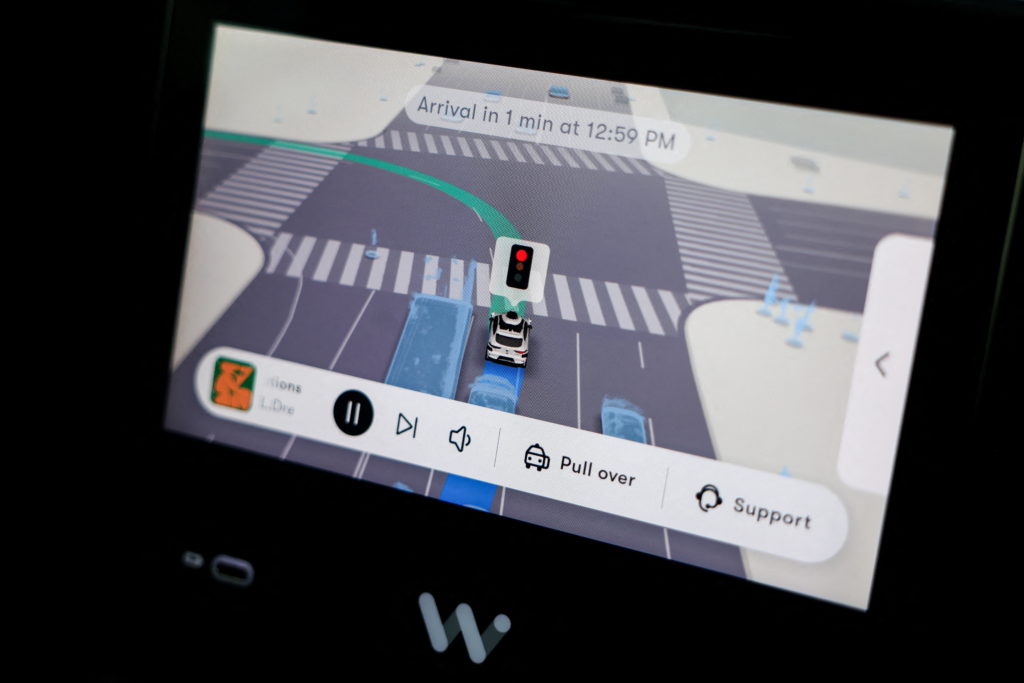
The testimony highlighted a fundamental, irreconcilable divergence in how the industry's two most prominent players view the path to full autonomy. Waymo, represented by its executive leadership, championed its highly cautious, geofenced approach. Relying on an expensive but robust suite of sensors—including LiDAR (light detection and ranging), radar, and cameras—Waymo has quietly amassed millions of fully driverless commercial miles in cities like San Francisco, Phoenix, and Los Angeles.
"Our data proves that autonomous driving is not a future promise; it is a present-day safety solution," Waymo’s executive testified, pointing to peer-reviewed data showing their vehicles are involved in significantly fewer injury-causing crashes than human drivers. Waymo argued that any federal framework must mandate strict, standardized safety validations before vehicles are permitted to operate without human supervision.
Tesla’s executive team presented a radically different vision. Rejecting LiDAR and high-definition mapping as overly restrictive and commercially non-viable, Tesla defended its "Full Self-Driving" (FSD) system. FSD relies entirely on low-cost cameras and neural networks—mimicking human vision. Tesla argued that geofenced solutions are "luxury niches" that cannot scale globally.
"To truly democratize safety, autonomy must be affordable and adaptable to any road, anywhere, without pre-mapping," the Tesla representative argued. However, this approach drew sharp questioning from lawmakers, who pointed out that Tesla’s FSD is still classified as a Level 2 "driver-assist" system, requiring constant human supervision, despite its marketing moniker.
Safety Experts Raise the Red Flag
The optimism of the corporate executives was met with fierce resistance from independent safety advocates and representatives from the National Transportation Safety Board (NTSB). Experts warned that the industry’s current self-regulatory environment has turned public roads into unmonitored laboratories.
Safety advocates presented data on "phantom braking" incidents, sudden disengagements in hazardous weather, and high-profile collisions involving emergency vehicles. The primary concern raised was the lack of federal standards defining what actually constitutes a "safe" autonomous system. Under current laws, manufacturers can self-certify the safety of their vehicles, a loophole that critics argue must be closed immediately.
Key Takeaways from the Congressional Testimony
- The Definition of "Safe": Safety advocates urged Congress to establish independent, standardized federal safety metrics rather than relying on proprietary, self-reported data from AV manufacturers.
- The Sensor Divide: Waymo asserted that LiDAR is non-negotiable for safe operation in low-visibility environments, while Tesla maintained that hardware-heavy systems are too expensive to scale.
- Regulatory Fragmentations: Both Tesla and Waymo executives pleaded for a unified federal law to replace the current patchwork of state-by-state regulations, which they claim stifles national deployment.
- Labor Concerns: Representatives from transport unions testified on the potential displacement of millions of commercial drivers, urging Congress to integrate workforce transition plans into any upcoming AV legislation.
How the Giants Compare: A Technical and Operational Standoff
To understand the debate raging in Washington, one must look at how these companies differ in their deployment strategy, technology, and regulatory exposure. The following table highlights the stark contrast between the two dominant paradigms presented to Congress:
| Metric / Feature | Waymo (Alphabet) | Tesla |
|---|---|---|
| Autonomy Level (SAE) | Level 4 (High Autonomy - Rider-Only) | Level 2 (Driver-Assist - Hands-on-Wheel) |
| Primary Sensor Suite | LiDAR, Radar, Cameras (Sensor Fusion) | Cameras Only (Tesla Vision) |
| Operational Strategy | Geofenced (Mapped metropolitan zones) | Universal (Unmapped, global roads) |
| Federal Investigation Status | Minimal scrutiny; localized incident reviews | Active NHTSA probes into FSD crashes |
| Consumer Availability | Commercial Robotaxi fleet (Pay-per-ride) | Direct-to-consumer software purchase/subscription |
What This Means for Investors and Consumers
For Wall Street, the outcome of these hearings will dictate the flow of billions of dollars in venture capital and corporate R&D. If Congress leans toward Waymo's geofenced, hardware-heavy approach, it could slow down the rapid, nationwide deployment of autonomous vehicles but provide a highly secure, predictable regulatory path. Conversely, if Tesla successfully lobbies for a flexible, camera-only national standard, it could trigger an immediate commercial boom, though likely accompanied by persistent litigation and safety controversies.
For consumers, the legislative gridlock means the driverless future will remain highly unequal. While residents of major sunbelt metro areas can routinely summon driverless Waymos, the rest of the country will continue to navigate the murky, semi-autonomous landscape of driver-assist software, waiting for a definitive green light from Washington.
Frequently Asked Questions
Why is Congress holding hearings on autonomous vehicles now?
As autonomous vehicles transition from testing phases to commercial fleet operations in major cities, safety incidents have increased. Congress is under immense pressure to establish a unified federal regulatory framework that ensures public safety while keeping the United States competitive against global rivals like China in the AI race.
Will Tesla’s FSD ever be legally classified as fully autonomous?
Currently, Tesla's FSD remains a Level 2 system, meaning the driver is legally responsible for the vehicle at all times. To achieve Level 4 or 5 status, Tesla must prove to regulators like the NHTSA that its camera-only system can operate safely without any human intervention across all driving conditions, a hurdle that safety experts at the hearing argued is still far from being cleared.