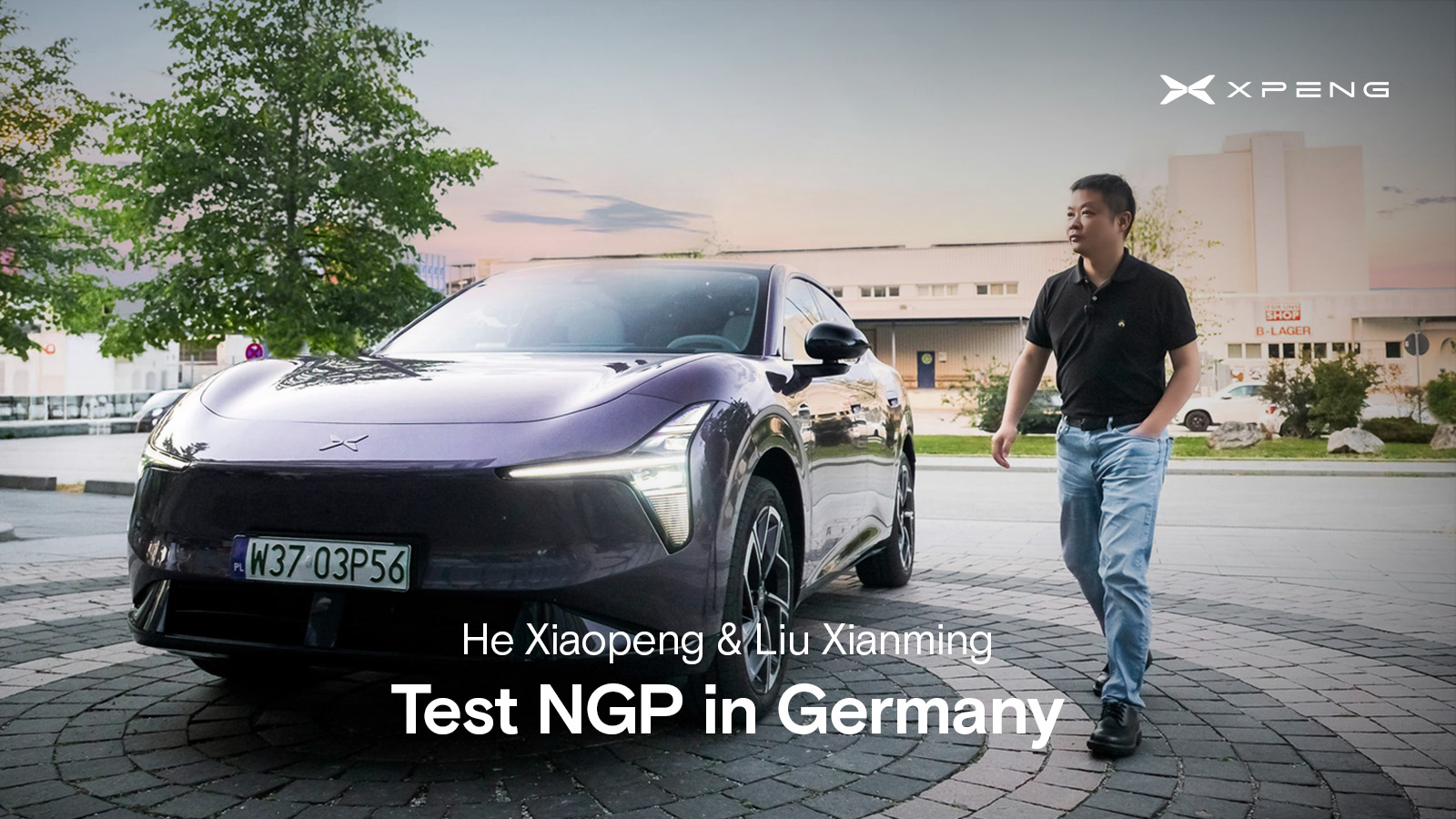
The Tesla Killer? Xpeng Unveils Next-Gen AI Driving System with Bold 2027 European Rollout Target
The global electric vehicle (EV) battlefield is rapidly shifting from a race over battery chemistry and raw range to an all-out war for software supremacy. In a move poised to disrupt the global autonomous driving landscape, Chinese EV heavyweight Xpeng Motors has officially unveiled its next-generation Artificial Intelligence (AI) driver assistance system. With this launch, the Guangzhou-based automaker has fired a direct shot across the bow of industry pioneer Tesla, locking in a definitive timeline to deploy its highly advanced autonomous tech on European roads by 2027.
Announced on July 20, 2026, Xpeng’s strategic pivot signals a massive technological offensive. As Western markets grapple with regulatory scrutiny and escalating trade tensions, Xpeng is betting big on pure-play AI to democratize Level 2+ and Level 3 autonomy. The company's vision is clear: to bypass legacy driver-assistance models and deliver a seamless, human-like driving experience across diverse global geographies.
The AI Paradigm Shift: End-to-End Deep Learning takes the Wheel
Unlike traditional Advanced Driver Assistance Systems (ADAS) that rely on millions of lines of hand-coded rules to dictate vehicle behavior, Xpeng’s new system is built entirely on an end-to-end neural network architecture. This technology mimics human cognitive processes, processing visual and sensor data simultaneously to make real-time driving decisions.
By utilizing this sophisticated AI model, Xpeng’s system can navigate complex urban environments, react to unpredictable pedestrian behaviors, and handle inclement weather conditions with unprecedented fluidness. Industry analysts note that this approach closely mirrors Tesla’s Full Self-Driving (FSD) V12 architecture, setting up a head-to-head clash of software-driven automotive ecosystems.
Key Hardware and Software Integration
To support this high-performance software, Xpeng is leveraging a robust computing platform. The system integrates advanced neural processing units (NPUs) and high-fidelity sensor suites. Crucially, the system is designed to be "mapless," meaning it does not require high-definition geographic mapping to function safely. This mapless capability is the key technical linchpin that will allow Xpeng to scale rapidly outside of China, where accessing localized HD maps is often restricted by national security laws.
Executive Summary: The Strategic Blueprint
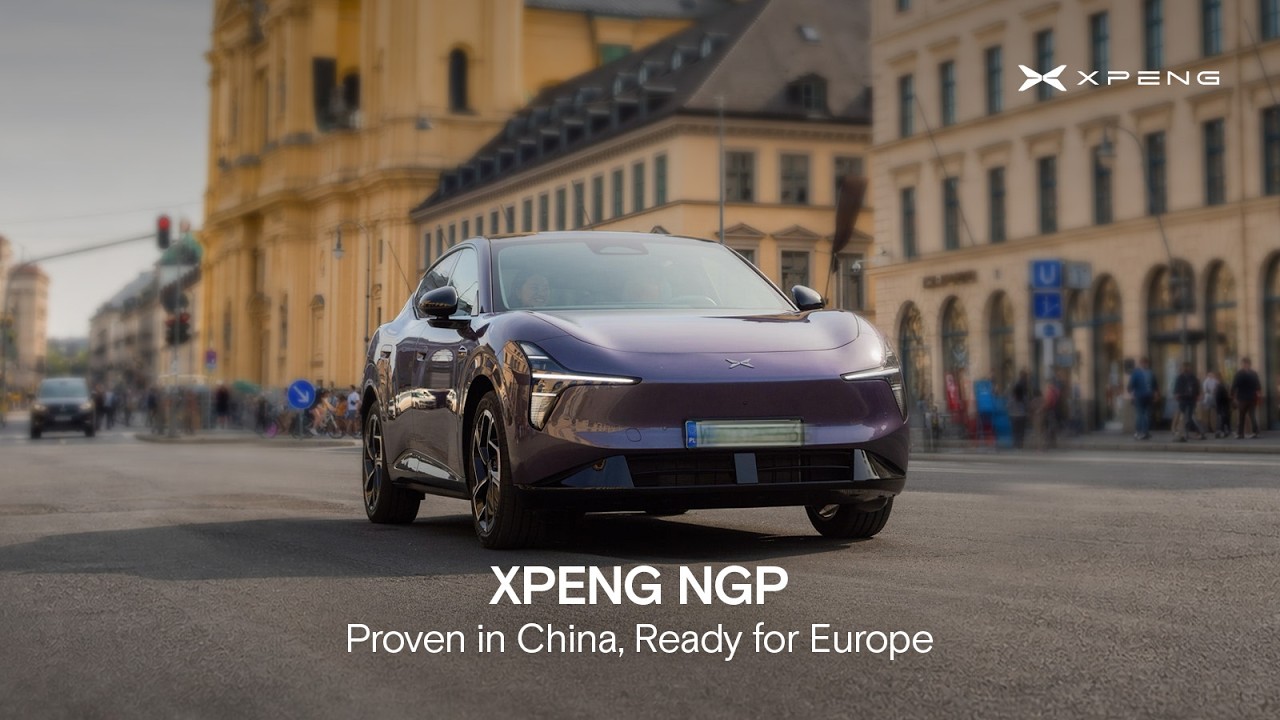
- Geographical Expansion: Xpeng has committed to a formalized European launch timeline, with commercial deployment of its AI driving system scheduled for 2027.
- Technological Leap: The new architecture transitions from rule-based programming to an end-to-end deep learning neural network, reducing lag and improving human-like driving responses.
- Strategic Independence: By adopting a mapless approach, Xpeng removes the costly and logistically complex burden of rendering HD maps for foreign European cities.
- Geopolitical Maneuvering: The 2027 target allows Xpeng to navigate the evolving regulatory landscape in Europe, including stringent UNECE safety standards and potential tariff adjustments.
Sizing Up the Competition: Xpeng vs. Tesla
The race to conquer global autonomy is highly competitive. While Tesla remains the standard-bearer for autonomous tech in North America, Xpeng's rapid iteration cycle in China has given it a formidable edge in complex, high-density urban environments. Below is a comparative snapshot of how the two systems stack up as they eye the European market:
| Feature / Metric | Xpeng Next-Gen AI System | Tesla Full Self-Driving (FSD) |
|---|---|---|
| Core Architecture | End-to-End Neural Network (Mapless) | End-to-End Neural Network (Vision-Only) |
| Sensor Suite | LiDAR, Cameras, and Millimeter-Wave Radar | Tesla Vision (Cameras Only) |
| European Target | Fully localized and planned for 2027 | Awaiting widespread regulatory approval |
| Urban Performance | Optimized for high-density, chaotic traffic | Highly advanced, but optimized for US infrastructure |
Bridging the Geopolitical and Regulatory Chasm
The road to Europe is paved with significant geopolitical and regulatory obstacles. By setting a launch date for 2027, Xpeng has given itself a critical window to address several high-stakes challenges. European regulators are notoriously strict regarding data privacy and cybersecurity, governed by the General Data Protection Regulation (GDPR) and UNECE cyber security regulations (R155 and R156).
Furthermore, European authorities are closely monitoring Chinese connected vehicle technologies, raising concerns over data storage and transmission. To overcome these hurdles, Xpeng is expected to establish localized data centers within the European Union, ensuring that all driving data collected by its fleet is processed and stored locally, fully insulated from its domestic servers in China.
Financially, the 2027 timeline also provides a cushion for Xpeng to absorb the impact of the European Union’s provisional tariffs on Chinese-made electric vehicles. By licensing its software or establishing local assembly partnerships—similar to its existing joint ventures with legacy giants like Volkswagen—Xpeng could circumvent high tariffs and establish a resilient foothold in the European premium market.
The Road Ahead: A Software-Defined Future
Xpeng’s announcement signals that the automotive industry is no longer just about manufacturing vehicles—it is about managing data, computing power, and AI models at scale. If Xpeng can successfully localize its end-to-end AI system to interpret the nuances of European roads, from the narrow roundabouts of Rome to the high-speed stretches of the German Autobahn, it will cement its position as a true global peer to Tesla.
For consumers, this rivalry promises to accelerate the deployment of safer, more reliable driver-assistance technologies, ultimately paving the way for a fully autonomous future. For investors, the next three years will be a critical period to watch how Xpeng manages its capital expenditure, refines its AI models, and prepares for its high-stakes European debut in 2027.
Frequently Asked Questions (FAQ)
How does Xpeng's "mapless" system work on foreign roads?
Xpeng's mapless AI system relies on real-time perception. Instead of relying on pre-rendered, highly detailed digital maps, the vehicle uses its onboard camera and sensor suite to read road signs, detect lane markings, identify obstacles, and interpret traffic flows on the fly. This allows the system to operate safely in areas that have never been mapped by the company, making it highly adaptable for international markets like Europe.
Will EU tariffs on Chinese EVs impact the 2027 launch?
While import tariffs directly impact the pricing of physical vehicles, Xpeng’s software-driven business model offers strategic flexibility. Xpeng can mitigate tariff pressures by licensing its proprietary AI ADAS technology to European automakers or by assembling vehicles locally within Europe through strategic partnerships, such as its ongoing collaboration with the Volkswagen Group.