Executive Takeaways
- Fiscal Policy Stalemate Risks: Midterm congressional shifts threaten gridlock, complicating federal infrastructure scalability and long-term capital allocation strategies for industrial enterprises.
- Consumer Spending Resilience vs. Debt: Household balance sheets show persistent bifurcation; high-net-worth consumers sustain demand, while lower-income brackets exhaust pandemic-era savings under heavy interest rate burdens.
- Monetary Policy Crosswinds: Federal Reserve rate trajectories remain inextricably linked to labor market liquidity and CPI prints, dictating corporate risk mitigation and debt refinancing schedules.
The convergence of a high-stakes electoral cycle and shifting macroeconomic fundamentals has created a uniquely complex operating environment for corporate executives, institutional investors, and retail market participants alike. As recent reporting from major wire services and broadcast networks like ABC News underscores, the health of the American economy is no longer merely a statistical gauge tracked by econometricians in Washington—it is the single most volatile variable influencing corporate valuation multiples, cross-border investment flows, and board-level risk mitigation frameworks.
For institutional capital allocators, navigating this landscape requires stripping away partisan rhetoric to examine hard econometric data. From commercial real estate debt maturities to cloud compute architecture investments and supply chain restructuring, the decisions made in corporate boardrooms today are deeply reactive to the regulatory and fiscal signals emanating from Capitol Hill. This investigative report provides a comprehensive dissection of the current macroeconomic matrix as the nation approaches a critical political inflection point.
The Macroeconomic Baseline: Inflation, Labor, and Corporate Margins
To understand the current economic sentiment driving voter behavior and market sentiment, one must examine the baseline indicators defining the broader US economy. Persistent core inflation, though moderating from its multi-decade peaks, continues to erode purchasing power, forcing a structural recalibration of consumer spending habits. Enterprise leaders across the retail, logistics, and financial services sectors report that maintaining gross margins requires aggressive pricing power and ruthless supply chain optimization.
Concurrently, the labor market has demonstrated remarkable resilience, defying consensus predictions of a steep employment contraction. However, this labor market tightness presents a double-edged sword for corporate balance sheets. Wage growth, while welcomed by households grappling with higher living costs, compresses operating margins and keeps upward pressure on service-sector inflation. Consequently, the Federal Reserve’s dual mandate of price stability and maximum employment remains locked in a delicate equilibrium.
Infrastructure Scalability and Regulatory Compliance Amid Political Uncertainty
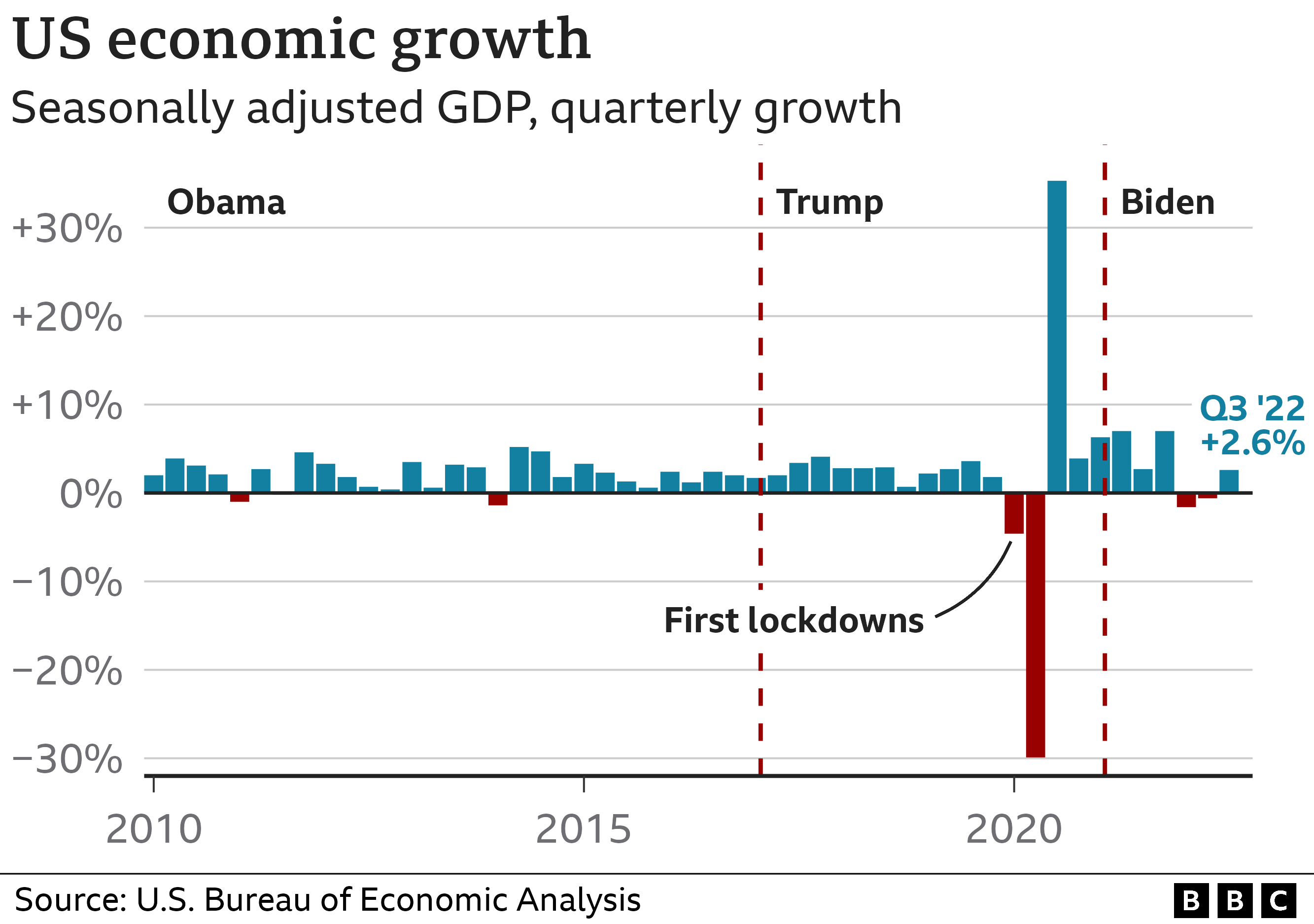
Corporate investment hinges heavily on predictability. Historically, midterm elections introduce a degree of legislative uncertainty that can stall major capital expenditure cycles. Chief Financial Officers (CFOs) and Chief Risk Officers (CROs) surveyed across major financial hubs note a distinct "wait-and-see" posture regarding long-term infrastructure projects.
Regulatory compliance overhead continues to expand, particularly concerning environmental, social, and governance (ESG) reporting mandates, antitrust enforcement, and cross-border data privacy laws. A shift in congressional power dynamics could paralyze federal rulemaking or, conversely, accelerate deregulation in key sectors such as energy and financial technology. Consequently, risk mitigation strategies now incorporate multiple legislative scenarios, factoring in potential alterations to corporate tax rates, R&D amortization schedules, and tariff structures.
Verified Data & Metrics Breakdown
To provide a rigorous quantitative foundation, the following comparative matrix outlines key macroeconomic indicators, historical benchmarks, and current market valuations relevant to the ongoing midterm economic discourse:
| Economic Indicator | Current Reading (Est.) | Historical 10-Yr Average | Enterprise & Market Implication |
|---|---|---|---|
| Core CPI Inflation (YoY) | ~3.2% - 3.5% | 2.1% | Keeps pressure on Federal Reserve terminal rate expectations; restricts aggressive multiple expansion. |
| Unemployment Rate (U-3) | ~4.0% - 4.2% | 5.4% | Maintains wage stickiness; underpins consumer demand but compresses labor-intensive operating margins. |
| S&P 500 Forward P/E Ratio | ~21.0x - 22.5x | 17.8x | Reflects strong tech sector earnings growth balanced against elevated cost of capital. |
| Federal Funds Effective Rate | ~5.25% - 5.50% | 1.50% | Increases corporate debt servicing costs; elevates hurdle rates for new capital allocation projects. |
Industry & Market Implications: Winners, Losers, and Sector Dynamics
Economic shifts of this magnitude do not impact all sectors equally. Market liquidity flows are actively rotating based on anticipated regulatory outcomes and revenue durability:
- Technology & Cloud Compute Architecture: Enterprise software and cloud infrastructure providers continue to see robust capital allocation, driven by generative AI integration and automation demands. However, high valuation multiples leave these equities sensitive to shifts in bond yields and borrowing costs.
- Energy & Traditional Industrials: Conventional energy firms and industrial manufacturing outfits face a complex political crosswind. While regulatory constraints could tighten under certain legislative configurations, global supply chain re-shoring and domestic manufacturing incentives provide a strong operational floor.
- Financial Services & Commercial Real Estate (CRE): Regional banks and CRE asset managers face ongoing scrutiny regarding asset quality and debt refinancing walls. Higher interest rates necessitate stringent credit underwriting and careful liquidity management to prevent localized distress from spilling over into broader credit markets.
Frequently Asked Questions (People Also Ask)
Expert Q&A: Understanding the Economic & Political Intersection
How do US midterm elections historically impact stock market performance and valuation multiples?
Historically, the S&P 500 experiences heightened volatility leading up to midterm elections due to policy uncertainty. However, once the ballot results are finalized—frequently resulting in a divided government that checks sweeping legislative changes—historical data shows that equity markets tend to rally strongly over the subsequent 12-month period, regardless of which party holds congressional majorities.
What are the primary drivers of current enterprise ROI concerns for CFOs?
p style="margin: 0; font-size: 15px; line-height: 1.6; color: #333;">Chief Financial Officers are primarily grappling with elevated hurdle rates driven by higher Federal Reserve interest rates, sticky wage inflation, and the capital expenditure costs associated with digital transformation and cloud compute architecture scalability. Achieving strong enterprise ROI requires maximizing operational efficiency rather than relying on cheap debt financing.How does consumer spending behavior influence broader economic risk mitigation strategies?
Consumer spending accounts for roughly 70% of US GDP. When consumer balance sheets bifurcate—where high-net-worth individuals maintain spending while lower- and middle-income demographics deplete savings—corporations must adjust their product portfolios and pricing strategies. Risk mitigation teams monitor retail sales data and revolving credit delinquencies as leading indicators for macroeconomic deceleration.
Future Outlook: Strategic Milestones to Watch
As the political calendar advances toward election day and subsequent legislative sessions, executive leadership must maintain agility. The intersection of monetary policy adjustments by the Federal Reserve, global geopolitical friction points, and domestic fiscal policy debates will dictate the trajectory of market liquidity.
Key milestones for institutional investors and corporate strategists include upcoming Consumer Price Index (CPI) releases, quarterly corporate earnings guidance regarding margin retention, and post-election legislative negotiations surrounding federal spending bills. Organizations that successfully integrate rigorous risk mitigation, disciplined capital allocation, and scalable operational models will be best positioned to weather near-term volatility and capture long-term market share.