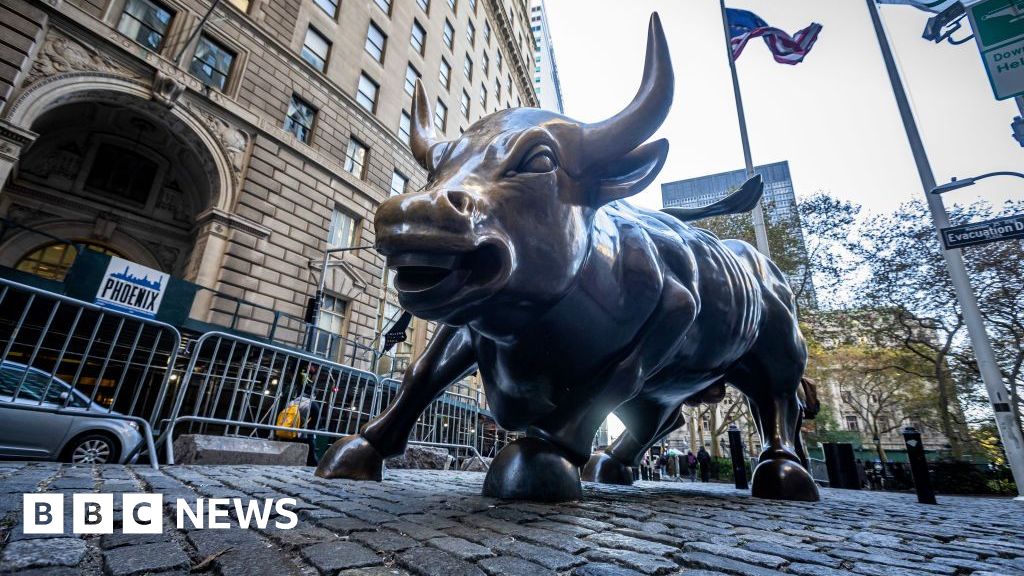
Wall Street Shaken: Big Tech Plunge Triggers Sharp US Stock Slump Amid Mounting Rate and Geopolitical Fears
NEW YORK — Wall Street endured a brutal end to the week on Friday, as a severe sell-off in mega-cap technology stocks sent major US equity indices reeling. The sharp correction exposed deep-seated investor anxieties over soaring valuations, stubborn macroeconomic pressures, and escalating geopolitical instability in the Middle East.
The tech-heavy Nasdaq composite bore the brunt of the market’s wrath, plunging sharply as a much-anticipated bounce in high-flying semiconductor stocks completely failed to materialize. Yet, in a stark illustration of a deeply fractured market, the blue-chip Dow Jones Industrial Average managed to buck the trend, closing higher as capital rotated out of high-growth tech shares and into defensive, cyclical sectors.
Financial analysts note that Friday’s turbulence marks a critical inflection point for global investors. The era of blind faith in Big Tech dominance is facing its sternest macroeconomic test in years, driven by a lethal cocktail of shifting interest rate expectations, geopolitical flashpoints, and profit-taking after months of relentless rallies.
The Great Rotation: Inside Friday’s Market Breakdown
The divergence on trading floors across Lower Manhattan was nothing short of historic. While traditional economy stocks found safe haven bids, the market bellwether tech sector experienced a severe liquidity flush.
- The Nasdaq Massacre: Heavyweight technology shares suffered widespread liquidations, dragging the index down significantly and wiping out billions in market capitalization within hours.
- The Chip Bounce Failure: Semiconductor manufacturers, widely viewed as the backbone of the artificial intelligence boom, failed to sustain early-session gains, triggering algorithmic sell triggers across the sector.
- Dow Resilience: Traditional industrial, financial, and consumer staple components shielded the Dow Jones Industrial Average, preventing a broader systemic panic across mainstream retail portfolios.
- Macroeconomic Headwinds: Renewed fears regarding persistent inflation and higher-for-longer Federal Reserve interest rates added immense downward pressure to risk-on assets.
"What we witnessed on Friday is a classic de-risking event," said Marcus Vance, chief market strategist at Meridian Capital in New York. "Investors are no longer willing to pay premium multiples for tech growth without absolute clarity on future earnings and interest rate trajectories. The market is transitioning from momentum-driven euphoria to fundamental pragmatism."
Geopolitics and Rates: A Double-Barrel Threat
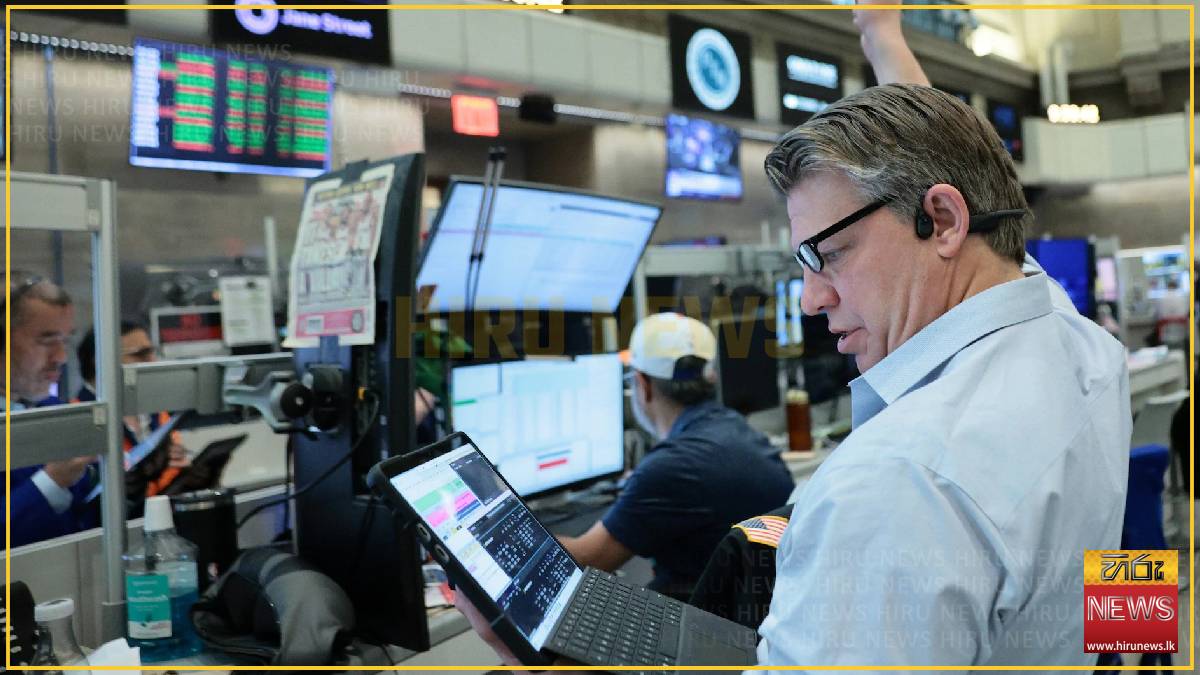
Compounding the tech sector's woes were fresh macroeconomic jitters. Bond yields ticked upward as traders recalibrated their expectations for monetary policy, fearing that robust economic data might force the Federal Reserve to keep borrowing costs elevated well into the latter half of the year. Higher interest rates inherently disproportionately punish growth stocks, whose projected future cash flows are discounted more heavily in valuation models.
Simultaneously, renewed military attacks in the Middle East rattled commodity markets, sending crude oil prices jumping and stoking fears of renewed supply chain disruptions. Geopolitical risk premiums, which had largely been ignored by equity markets over the prior quarter, suddenly roared back into the collective consciousness of institutional traders.
The combination of sticky inflation data, hawkish central bank commentary, and volatile energy markets has created a toxic environment for growth-oriented equities. Portfolio managers are increasingly moving to cash and defensive holdings, fearing further downside acceleration if key technical support levels are breached.
Market Snapshot: Friday’s Index Performance
| Index / Asset Class | Daily Trend | Primary Market Driver |
|---|---|---|
| Nasdaq Composite | Sharp Decline | Big Tech sell-off, failed semiconductor rebound |
| Dow Jones Industrial Average | Moderate Gain | Capital rotation into defensive and cyclical sectors |
| US Treasury Yields | Higher | Renewed interest rate anxiety and inflation fears |
| Crude Oil Futures | Upward Pressure | Escalating Middle East geopolitical tensions |
What Lies Ahead for Wall Street?
As the dust settles on a tumultuous trading week, Wall Street executives are bracing for heightened volatility. The coming weeks will test whether Friday’s drop was merely a healthy, overdue correction or the beginning of a deeper, structural shift in market leadership.
Institutional desks will be closely monitoring upcoming corporate earnings reports and key inflation prints for clues on consumer health and corporate spending. For now, the golden rule on trading floors is caution, as the once-unshakeable dominance of Big Tech faces unprecedented scrutiny.
Frequently Asked Questions
Why did US stocks slump on Friday?
US stocks dropped primarily due to a sharp sell-off in heavyweight technology shares, a failed rebound in chipmaker stocks, growing fears over higher-for-longer interest rates, and renewed geopolitical instability in the Middle East.
Why did the Dow Jones rise while the Nasdaq fell?
The market experienced a classic capital rotation. As investors dumped high-valuation technology stocks, money flowed out of the Nasdaq and into defensive, traditional sectors represented within the Dow Jones Industrial Average, such as industrials and financials.