The Great Indian Rebound: How Sensex Clawed Back 620 Points to Push Nifty Close to 23,400
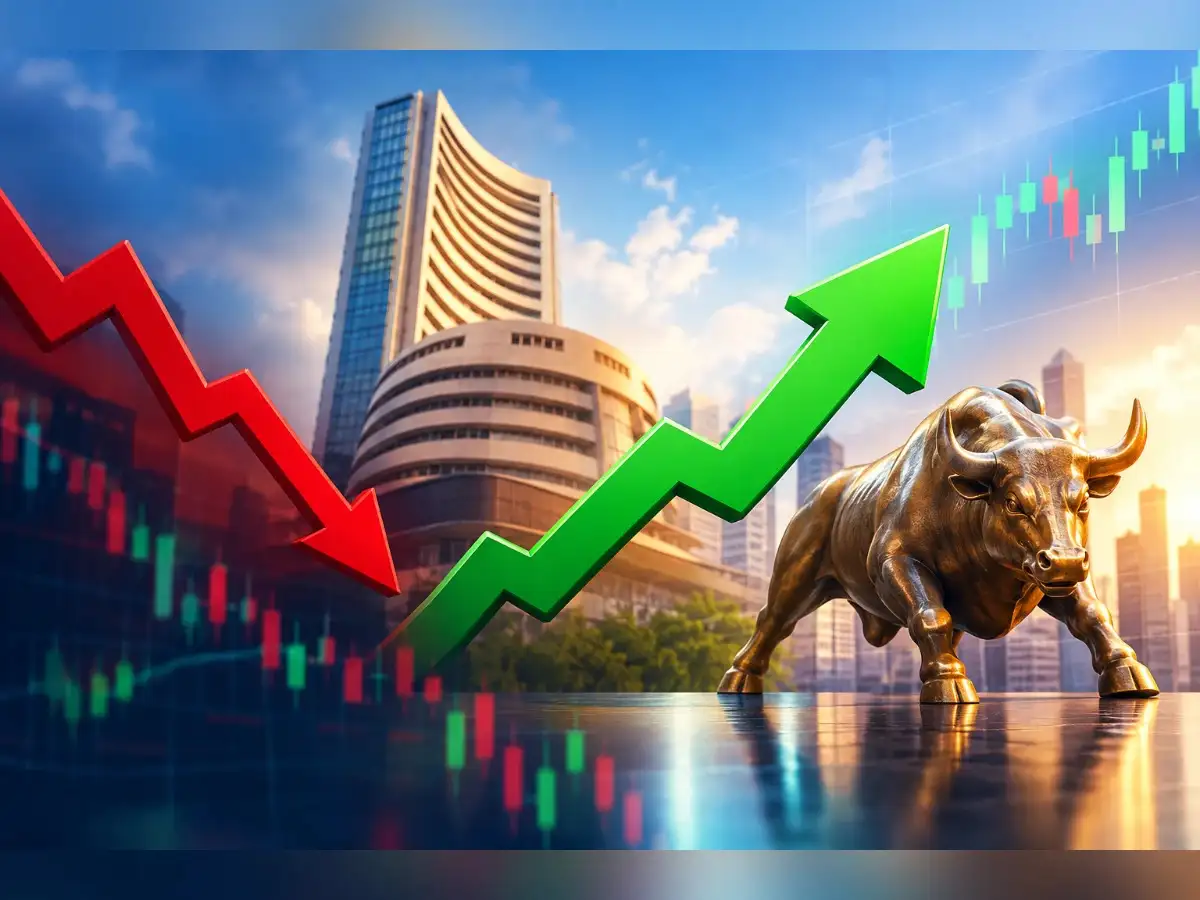
Dalal Street staged a spectacular late-afternoon U-turn on September 11, 2026, catching bearish traders off guard and proving once again the underlying resilience of India's domestic liquidity. After opening under severe global pressure and sliding deep into the red, the benchmark BSE Sensex orchestrated a dramatic 620-point recovery from its intraday low. Meanwhile, the broader NSE Nifty 50 clawed its way back from the brink to close just a stone's throw away from the crucial 23,400 psychological resistance level.
This aggressive intraday reversal has reignited optimism among retail and institutional investors alike, raising a fundamental question across trading desks: What triggered this massive turnaround, and is this recovery sustainable?
The Market Snapshot: A Tale of Two Halves
The trading session was a classic game of two halves. The morning session belonged entirely to the bears, driven by weak global cues and lingering anxieties over foreign institutional investor (FII) outflows. However, by 1:30 PM IST, aggressive value buying in banking heavyweights, technology majors, and select auto stocks triggered massive short-covering. The market's structural shift from "sell-on-rallies" to "buy-on-dips" was executed with surgical precision.
| Benchmark Index | Intraday Low | Closing Price | Net Recovery from Low | Percent Change (Close) |
|---|---|---|---|---|
| BSE Sensex | 76,210.45 | 76,830.50 | +620.05 Points | +0.48% |
| NSE Nifty 50 | 23,215.10 | 23,398.90 | +183.80 Points | +0.52% |
Note: Data compiled from provisional exchange filings on September 11, 2026.
Why Did the Market Bounce Back? Demystifying the Catalysts

Market veterans attribute the sharp intraday recovery to a confluence of domestic technical support, institutional strategy shifts, and highly positive structural announcements in the fintech sector. Below is an in-depth breakdown of the primary drivers behind the recovery:
1. Technical Support Defended with Precision
As the Nifty 50 slipped toward the 23,200 mark, it entered a major demand zone characterized by heavy put writing. This level has historically acted as a formidable line of defense for bulls. Once the index held this support during the mid-day session without triggering stop-losses, nervous short-sellers were forced to cover their positions rapidly, creating an upward spiral in prices.
2. The Domestic Institutional Investor (DII) Safety Net
While Foreign Portfolio Investors (FPIs) continued their cautious, selective selling patterns, Domestic Institutional Investors—bolstered by relentless monthly Systematic Investment Plan (SIP) inflows—stepped in to absorb the selling pressure. According to provisional data, DII net buying easily neutralized FPI outflows during the afternoon trading window, targeting beaten-down blue-chip stocks in the financial and consumer goods sectors.
3. High-Value Fintech Optimism (The GFF 2026 Effect)
Sentiment on the street was also bolstered by positive structural developments at the ongoing Global Fintech Fest (GFF) 2026. High-profile collaborations—most notably the blockbuster partnership between global payments giant Visa and the Open Network for Digital Commerce (ONDC) to democratize digital transactions—re-emphasized the long-term structural strength of India's digital economy. This injected fresh confidence into tech and financial services stocks, which led the afternoon charge.
4. Value Hunting in Heavyweights
Heavyweight stocks such as Reliance Industries, ICICI Bank, and Infosys, which had faced consecutive sessions of profit-booking, suddenly saw strong institutional interest at cheaper valuations. Because these conglomerates carry massive weight in the indices, even minor buying pressure in these counters translates into significant upward moves for both the Sensex and the Nifty.
The Institutional View: What the Experts Are Saying
"What we saw today was a classic bear trap," says Rajesh Verma, Head of Equity Research at a leading Mumbai-based brokerage. "The market was oversold on a short-term basis. When the Nifty defended its crucial support at 23,200, it triggered panic among short-sellers. Combined with steady SIP inflows, the market had no choice but to spring upward."
Historically, dramatic recoveries of this nature signal that while the market may remain volatile in the short term, the structural bull run remains intact. The speed at which buyers stepped in indicates that capital is waiting on the sidelines, eager to enter on any meaningful dip.
Future Outlook: Levels to Watch
Looking ahead, market participants will be keeping a close eye on several critical factors to see if the recovery has legs:
- The 23,500 Resistance: For the bulls to regain complete control, the Nifty 50 must decisively cross and sustain above the 23,500 level on a weekly closing basis.
- Global Cues and Crude Oil: Volatility in global energy markets and macroeconomic indicators from the US Federal Reserve remain external swing factors that could influence local sentiment.
- FII Behavior: A complete reversal of the market's fortunes will require FIIs to stop their persistent selling and return as net buyers in the Indian cash market.
Frequently Asked Questions (FAQ)
Is this market recovery a permanent trend reversal or a temporary dead-cat bounce?
While the 620-point recovery from the day's low shows immense strength, market analysts suggest treating this as a technical pullback within a broader consolidation phase. A permanent trend reversal will be confirmed only when the Nifty 50 decisively breaks and holds above the 23,550 level with high trading volumes.
Which sectors led the afternoon market recovery on September 11, 2026?
The afternoon rally was spearheaded by private sector banks, information technology (IT) giants, and select auto stocks. Additionally, news from GFF 2026 regarding Visa and ONDC sparked localized buying interest across the fintech, digital commerce, and banking sectors.