Executive Takeaways
- A Calculated Brand Strike: Ikea has capitalized on consumer fatigue with Big Tech hyperbole, unveiling a satirical, democratized "flying car" campaign that directly critiques Tesla’s unfulfilled, multi-year promises regarding the thruster-equipped Next-Gen Roadster.
- Hyperbole vs. Unit Economics: The confrontation spotlights a stark philosophical divergence between Silicon Valley’s speculative valuation multiples—anchored in unrealized autonomous and aerial transit—and Scandinavian industrial pragmatism focused on accessible pricing, disciplined capital allocation, and supply chain efficiency.
- The eVTOL Reality Check: While Tesla CEO Elon Musk continues to float concepts of levitating consumer vehicles, the actual Electric Vertical Takeoff and Landing (eVTOL) sector faces severe liquidity constraints, rigorous FAA/EASA regulatory compliance hurdles, and intense certification friction.
- Brand Capital Redistribution: Consumer sentiment indices indicate shifting enterprise brand equity, where grounded, high-utility product execution increasingly outperforms speculative tech announcements in driving sustained customer loyalty.
In the high-stakes arena of modern corporate communications, few maneuvers are as lethal as weaponized pragmatism. When retail giant Ikea quietly launched its latest subversive design critique—introducing a conceptual, flat-pack, "safe and affordable" flying vehicle—the target of its Nordic satire was unmistakable. Aimed squarely at Tesla Inc. and the perennial, unfulfilled promises of Elon Musk’s rocket-thruster-enabled Roadster, the Swedish conglomerate achieved far more than a momentary viral marketing victory. It exposed the growing fault line between Silicon Valley’s speculative technology promises and the austere economic realities governing global consumer markets.
The juxtaposition could not be starker. On one side sits Tesla, an enterprise whose staggering market capitalization has long been sustained by visionary narratives spanning full autonomous driving, humanoid robotics, and hovering sports cars. On the other stands Ikea (Ingka Group), a privately capitalized retail behemoth whose global dominance rests upon millimeter-tight supply chain optimization, cost-reduction engineering, and democratic industrial design. By offering a tongue-in-cheek solution to urban gridlock that costs less than an Allen wrench set and requires assembly at home, Ikea delivered an incisive critique of personal mobility’s most persistent modern illusion: the imminent democratized flying car.
The Anatomy of a Cultural and Strategic Takedown
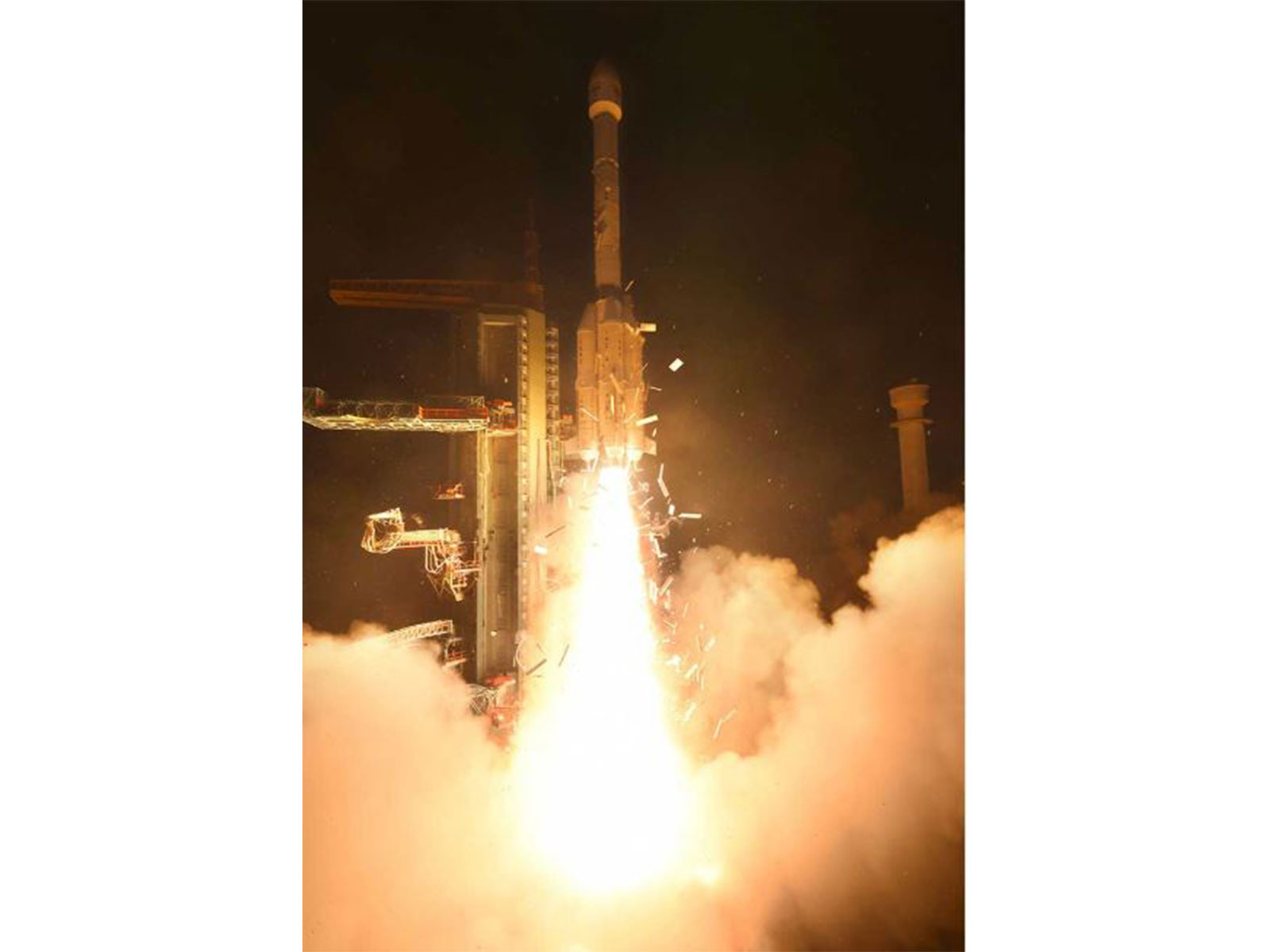
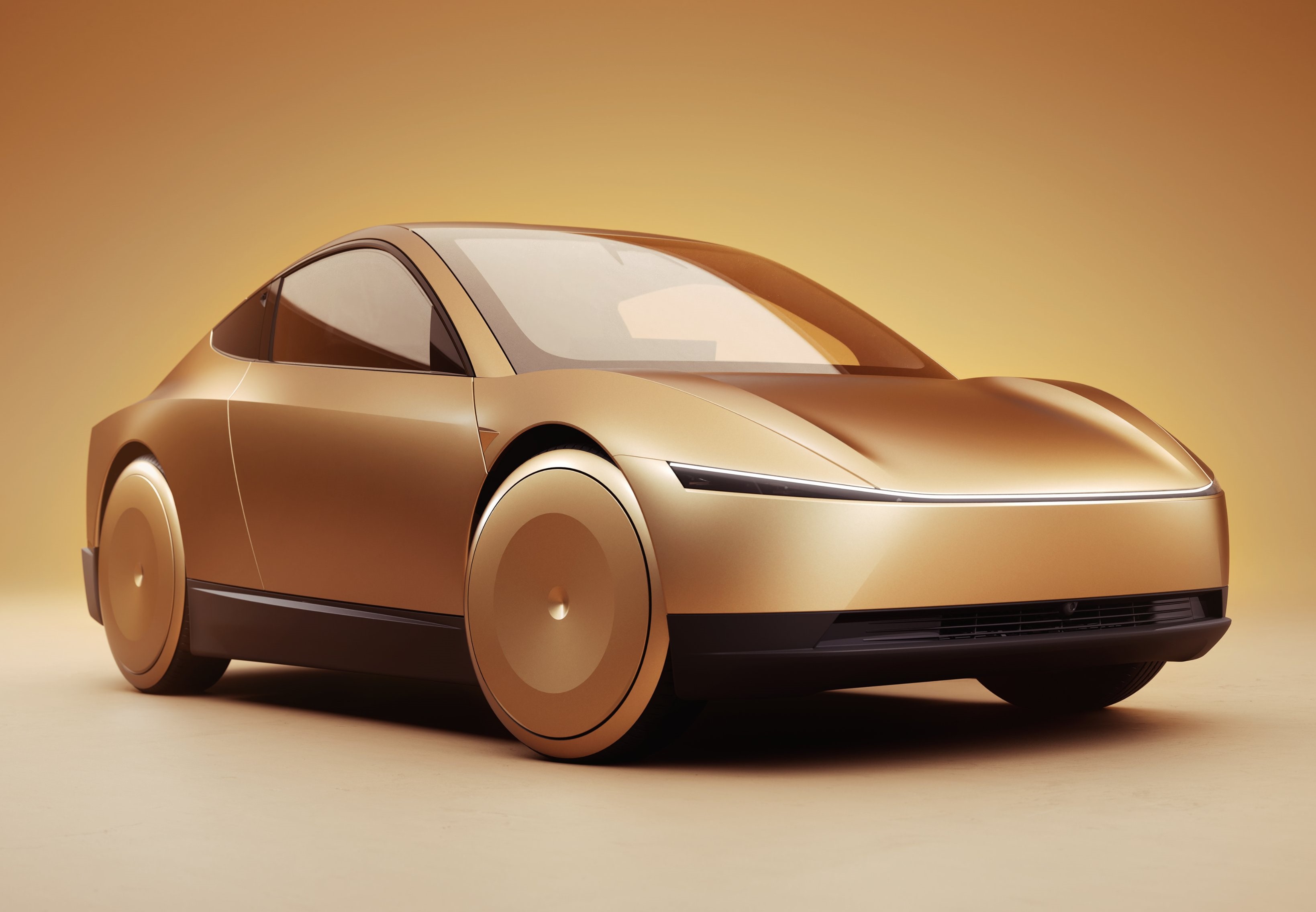
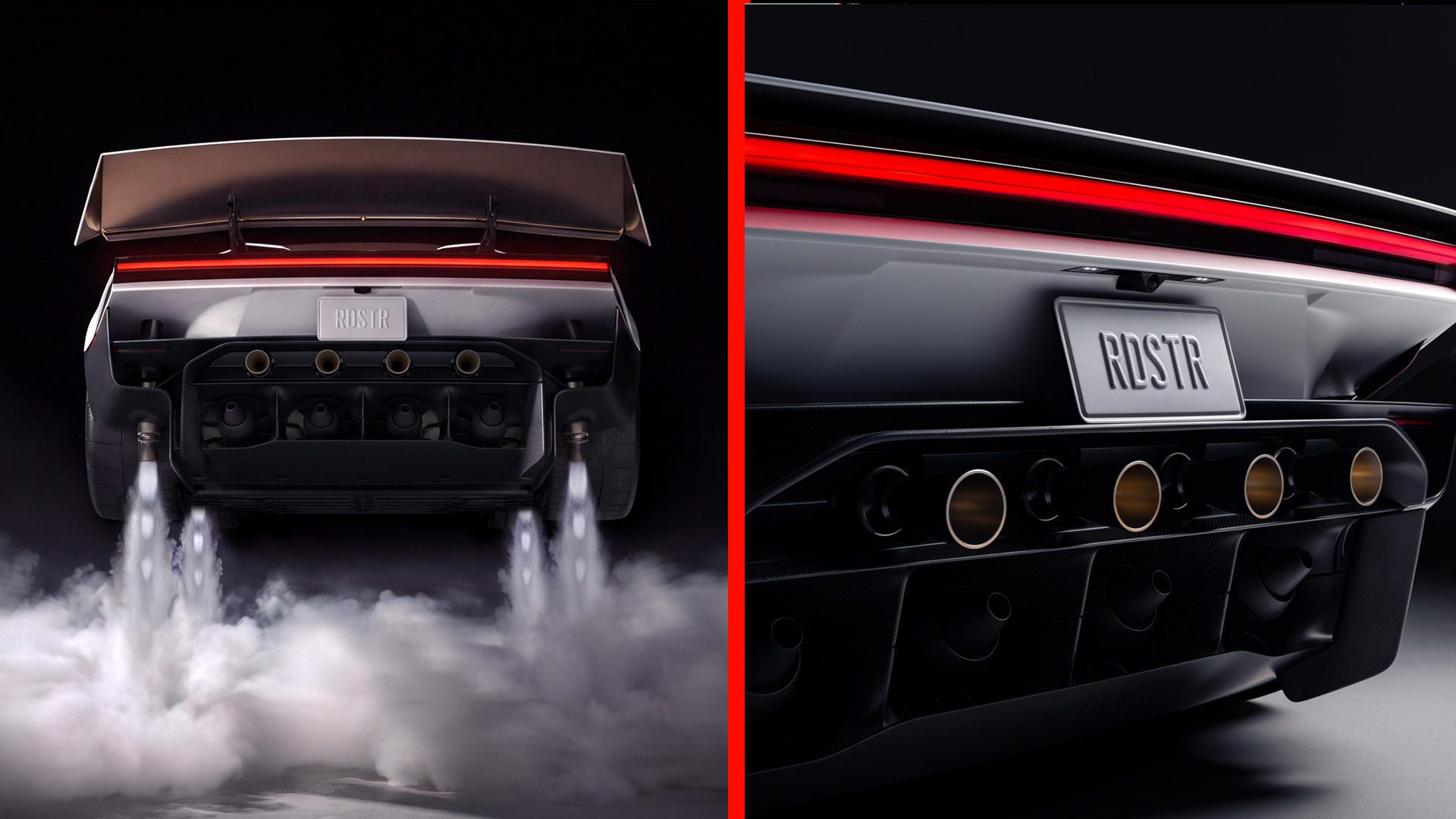
The catalyst for the exchange traces back to Elon Musk’s repeated public assertions regarding the long-delayed second-generation Tesla Roadster. Initially showcased in 2017 with an intended 2020 delivery window, the vehicle’s specifications have drifted into the realm of science fiction. Musk has publicly stated that an optional SpaceX package would integrate cold-gas thrusters, enabling the vehicle to accelerate to 60 miles per hour in under one second, hover, and potentially achieve short-distance flight.
As the Roadster’s commercialization timeline stretched beyond seven years without tangible road-legal validation, the narrative shifted from groundbreaking aerospace-automotive convergence to an emblem of technology industry vaporware. Ikea’s creative agency mobilized around this vulnerability. Presenting a minimalist, modular airborne silhouette accompanied by intuitive, wordless assembly diagrams, Ikea’s concept emphasized three pillars: strict safety, immediate accessibility, and radical affordability. The subtext was clear: while high-margin tech executives promise the heavens to bolster valuation multiples, everyday consumers remain grounded by practical economic constraints.
The campaign arrived at a precarious operational moment for Tesla. Facing margin compression across its core Model 3 and Model Y line-ups, intensifying competition from state-subsidized Chinese EV manufacturers such as BYD, and persistent regulatory scrutiny surrounding its "Full Self-Driving" (FSD) driver-assistance platforms, Tesla’s reliance on futuristic halo products has met heightened investor skepticism.
Silicon Valley Speculation Meets European Industrial Realism
To fully evaluate the corporate tension underpinning this dynamic, one must examine the divergent capital allocation strategies governing these two corporate archetypes. Tesla’s enterprise valuation is inherently forward-looking, reliant upon high-risk, high-reward technological breakthroughs that command tech-sector price-to-earnings (P/E) multiples rather than traditional automotive valuation metrics. The promise of flying capabilities, unsupervised autonomous robotaxis, and sovereign artificial intelligence infrastructure serves a structural financial purpose: sustaining premium enterprise value during periods of decelerating vehicle delivery growth.
Conversely, the Ingka Group operational model operates without the volatility of public equity markets. Its capital expenditure is overwhelmingly deployed toward physical store optimization, circular economy initiatives, renewable energy independence, and omnichannel logistics. By poking fun at an unreleased, hyper-expensive flying vehicle, Ikea reinforces its primary brand equity attribute: protecting the consumer’s wallet through predictable, scalable industrial execution.
| Strategic / Operational Metric | Tesla Halo Narrative (Next-Gen Roadster) | Ikea Democratic Mobility Satire | Commercial eVTOL Sector (Joby / Archer) |
|---|---|---|---|
| Projected Unit Cost | $200,000 – $250,000+ | Conceptually Mass-Market (<$1,000) | $1.5M – $4.0M per commercial airframe |
| Core Value Proposition | Extreme performance; cold-gas flight assist | Extreme affordability; democratic simplicity | Point-to-point urban air ridesharing |
| Regulatory Feasibility | Near-zero under current FMVSS & FAA protocols | N/A (Satirical Consumer Commentary) | FAA Part 135 & Type Certification pending |
| Primary Financial Objective | Halo branding; sustains tech multiple | Reinforces low-cost brand leadership | Securing early enterprise liquidity & ROI |
| Capital Allocation Risk | High R&D drag; halo model execution drift | Minimal operational & marketing expenditure | Extreme cash burn; dilution risk |
The Harsh Realities of the Flying Car Horizon
Beyond the consumer satire lies a severe technical and economic truth: personal airborne transit remains one of the most operationally challenging, economically unforgiving sectors in modern industrial history. While Musk’s statements treat airborne personal transport as an imminent consumer add-on, the Advanced Air Mobility (AAM) industry tells a story of bruising capital intensity and regulatory conservatism.
Pure-play aerospace developers like Joby Aviation, Archer Aviation, and Germany’s financially troubled Lilium have spent billions of dollars attempting to certify low-noise, battery-powered airframes for strictly regulated commercial air corridors. Achieving type certification under the Federal Aviation Administration (FAA) or the European Union Aviation Safety Agency (EASA) requires an unprecedented level of safety redundancy—typically demanding a failure rate probability lower than one in a billion flight hours for critical systems.
The idea that an unguided, consumer-operated passenger vehicle could navigate congested urban canopies without rigorous air traffic management infrastructure, catastrophic acoustic disruption, and severe kinetic safety liabilities is viewed across the aerospace engineering community as an engineering impossibility in the medium term. Ikea’s satire resonates precisely because the broader public intuitively grasps this reality: the average driver struggling through metropolitan gridlock cannot be trusted with three-dimensional airspace, let alone afford the aerospace-grade titanium, lithium-sulfur densities, and redundant flight computers required to survive it.
Industry & Market Implications: Who Wins and Who Loses
The downstream consequences of this narrative collision reverberate through brand valuation, consumer trust metrics, and enterprise strategy.
- Winners: The Consumer Pragmatists. Traditional enterprise brands that focus messaging on tangible, near-term cost-of-living relief, supply chain durability, and functional utility gain significant cultural ground. Ikea bolsters its status as a defensive consumer fortress, immune to elite tech hub detachment.
- Losers: Speculative Halo Marketing. Silicon Valley’s playbook of announcing extreme specifications years in advance to lock in zero-interest-rate customer deposits is experiencing acute diminishing returns. As macroeconomic environments normalize around higher capital costs, retail and institutional investors increasingly penalize missed product milestones and capital dilution.
- The Commercial eVTOL Ecosystem: Real aerospace startups working within certified regulatory boundaries suffer reputational collateral damage when high-profile automotive leaders conflate ground-effect vehicular theatrics with legitimate, highly engineered vertical lift infrastructure.
Frequently Asked Questions (People Also Ask)
Is Ikea actually manufacturing and selling a flying car?
No. Ikea is not entering the aerospace or automotive manufacturing sectors. The campaign represents a calculated marketing parody designed to critique Silicon Valley tech hyperbole—specifically targeting claims surrounding ultra-expensive, futuristic vehicles—by juxtaposing them with Ikea’s core philosophy of democratic, affordable, flat-pack design.
Why did Ikea target Tesla specifically with this campaign?
Tesla and its CEO, Elon Musk, have made recurring, highly publicized claims regarding the Next-Generation Roadster, alleging it would feature thrusters capable of levitation and short-distance flight. By contrasting these delayed, high-cost promises with Ikea’s hallmark accessibility, the Swedish retailer effectively tapped into broad consumer skepticism regarding technology vaporware.
What is the realistic timeline for consumer-grade flying cars?
Commercially viable, privately owned "flying cars" remain decades away due to extreme technical, infrastructural, and regulatory barriers. Current Advanced Air Mobility (AAM) developments are strictly centered on commercial passenger ridesharing and air-taxi operations managed by licensed pilots under heavily controlled FAA/EASA airspace protocols, rather than widespread consumer ownership.
How does this impact Tesla’s brand equity and market position?
While the satire presents no immediate operational threat to Tesla’s core electric vehicle manufacturing business, it highlights an ongoing vulnerability in its halo product marketing strategy. Over-promising and under-delivering on high-profile models like the Roadster risks eroding brand trust among mainstream consumers who prioritize production reality over speculative engineering concepts.
Future Outlook: The Reckoning of Tech Vaporware
As the global automotive and aerospace landscapes converge on electrification and software-defined architectures, the boundary between visionary engineering and performance art will face unprecedented scrutiny. Institutional investors, disciplined by the end of easy-money liquidity, are demanding demonstrable returns on invested capital rather than rendered product unveilings.
Tesla remains a generational disruptor that permanently transformed the global powertrain paradigm. However, the company’s strategic narrative must eventually reconcile with physical, regulatory, and economic realities. The Swedish giant’s dry, flat-packed riposte serves as a canary in the industrial coal mine: when a furniture company can successfully dismantle your flagship engineering promises with a handful of conceptual sketches and a cartoon wrench, the era of unvarnished tech hyperbole has reached its commercial expiration date.