Trump's 2026 Wall Street Boom: The Catalysts Rewriting the Playbook for Investors
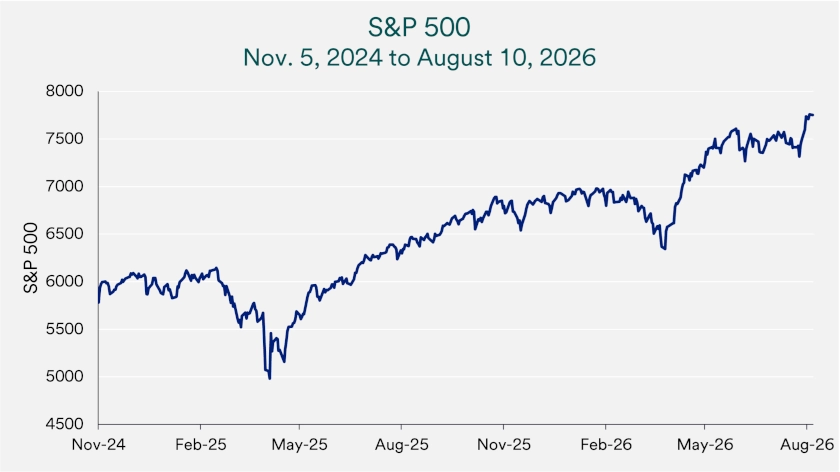
WASHINGTON & NEW YORK — Three weeks into a shifting macroeconomic landscape defined by aggressive fiscal policy and recalibrated trade agreements, the U.S. stock market in 2026 is experiencing a profound structural evolution. Driven by renewed deregulation, shifting corporate tax expectations, and a technological arms race spearheaded by artificial intelligence, Wall Street’s primary indices are charting a course that looks vastly different from the stabilization years of the mid-2020s.
According to recent analyses released by U.S. Bank and institutional sentiment trackers, the intersection of White House policy directives and corporate earnings resilience has created a high-stakes environment for retail and institutional portfolios alike. As market strategists weigh the inflationary pressures of protectionist trade measures against the growth-inducing stimuli of domestic industrial policy, understanding the core drivers of the 2026 market has become paramount for capital preservation and growth.
The Policy Engine: Deregulation and Corporate Tax Dynamics
At the heart of the 2026 market rally is a familiar yet refined economic playbook: supply-side stimulation paired with aggressive regulatory rollbacks. Following legislative pushes in late 2025 and early 2026, the Trump administration has prioritized lightening the compliance burdens on traditional energy, financial services, and heavy manufacturing sectors.
Financial institutions have been primary beneficiaries, with banking analysts noting that lowered capital constraints and streamlined merger-and-acquisition (M&A) approvals have unleashed a wave of corporate deal-making. Simultaneously, defense and domestic manufacturing firms are seeing unprecedented capital inflows, underpinned by national security mandates and localized supply-chain incentives.
- Energy Independence Focus: Loosened leasing restrictions on federal lands have revitalized capital expenditure cycles among independent oil and gas producers.
- Financial Services Resurgence: Anticipated regulatory relief has supercharged bank balance sheets and re-ignited institutional trading desks.
- Industrial Onshoring: Tax incentives favoring domestic production have forced conglomerates to accelerate plant relocations back to North America.
Tech, AI, and the Modern Growth Paradox
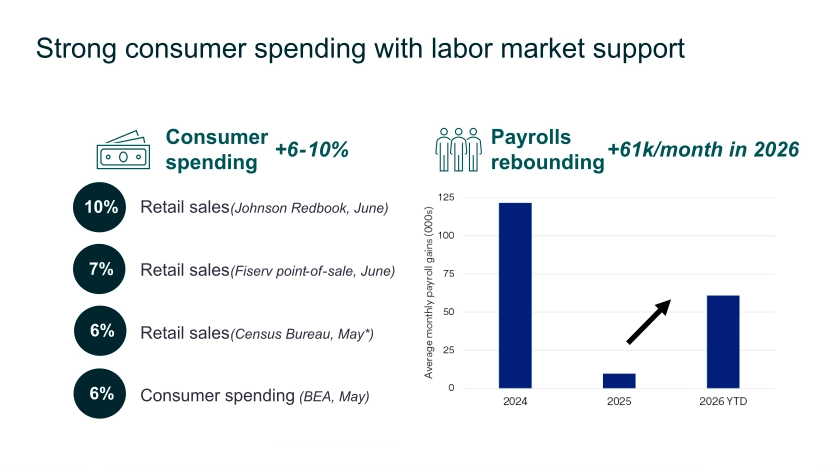
While traditional cyclical sectors have enjoyed a policy-driven tailwind, the technology sector remains the undisputed heavy-weight engine of the broader market indices. However, the nature of tech investing in 2026 has matured past the speculative euphoria of early generative AI deployments into a rigorous phase of monetization and infrastructure scaling.
Semiconductor manufacturers, cloud service providers, and enterprise software giants are facing heightened scrutiny over return on investment (ROI). Yet, government-backed infrastructure initiatives aimed at securing America's semiconductor supply chain have provided a robust safety net for tech valuations, preventing the sharp corrections predicted by bearish macro-economists.
"We are witnessing a dual-track market where policy-favored domestic cyclicals are playing catch-up with secular technology leaders," noted a senior equity strategist at a major wire-linked brokerage. "The Trump administration’s emphasis on economic nationalism is forcing portfolio managers to re-evaluate geographic exposure and supply chain resilience in real time."
Market Drivers at a Glance
| Market Sector | Primary Catalyst (2026) | Investment Outlook |
|---|---|---|
| Energy & Utilities | Federal leasing deregulation & domestic grid security | Bullish / High Yield |
| Financials | Streamlined M&A approval & relaxed capital rules | Moderately Bullish |
| Technology & AI | Infrastructure grants & monetization mandates | Selectively Growth-Oriented |
| Manufacturing | Onshoring incentives & tariff protections | Strong Domestic Tailwinds |
Navigating Headwinds: Tariffs, Inflation, and Yields
Despite the prevailing optimism driving Wall Street benchmarks higher, significant risks loom on the horizon. The aggressive implementation of targeted tariffs has injected fresh volatility into international supply chains, raising cost-of-goods concerns for multinational consumer discretionary companies.
Bond yields have also remained a persistent thorn in the side of equity bulls. As the Federal Reserve navigates an economy stimulated by expansive fiscal spending, Treasury yields have fluctuated, forcing investors to constantly recalibrate their discount models. Analysts warn that if inflation ticks upward due to trade barriers, the central bank may be forced to keep interest rates higher for longer, challenging high-multiple stock valuations.
Strategic Outlook for Investors
As the market progresses through the second half of 2026, wealth advisors are urging caution alongside participation. Diversification remains the primary shield against sudden policy shifts or unexpected geopolitical developments. Investors are increasingly favoring companies with strong balance sheets, high free cash flow generation, and low dependency on imported raw materials.
Ultimately, the stock market under the current administration is a direct reflection of a high-conviction economic strategy: rewarding domestic production, encouraging financial deregulation, and demanding tangible productivity gains from the technology sector. For those positioned correctly, 2026 is proving to be a year of historic opportunity; for the complacent, it remains a landscape fraught with hidden volatility.
Frequently Asked Questions
What are the primary drivers of the stock market in 2026 under the Trump administration?
The 2026 market is primarily driven by aggressive deregulation in the energy and financial sectors, corporate tax and onshoring incentives for domestic manufacturing, and the maturation of AI infrastructure investments supported by government industrial policy.
How are tariffs and trade policies impacting investor strategy?
While protectionist trade policies and tariffs provide a protective moat for domestic manufacturers and onshoring initiatives, they simultaneously introduce cost pressures and margin compression for multinational corporations reliant on global supply chains, increasing overall market volatility.