Executive Takeaways
- Historic Default: David Jones, an iconic 188-year-old Australian department store institution, has officially entered voluntary administration, triggering an immediate race to restructure its balance sheet or execute a distressed asset sale.
- Capital Allocation Failures: The collapse underscores the perils of aggressive private equity deployment, sluggish infrastructure scalability, and the inability to pivot operating models against relentless digital-first competitors.
- Macroeconomic Headwinds: Surging retail tenancy costs, compressed discretionary consumer spending, and macroeconomic liquidity contractions compounded the firm's structural debt burden.
- Market Repercussions: Creditors, landlords across Tier-1 Australian commercial real estate, and thousands of domestic vendors face severe recovery risks as the liquidation or recapitalization process unfolds.
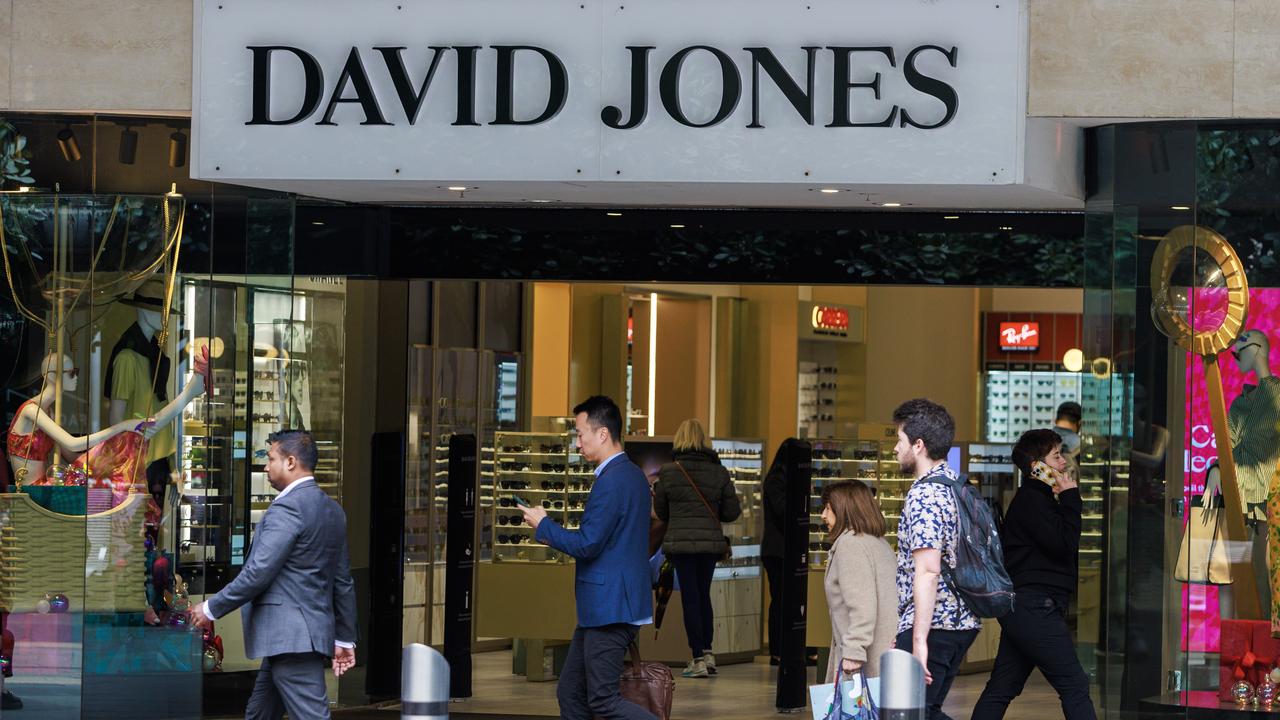
For nearly two centuries, the verdant green and gold branding of David Jones has served as the anchor of Australian commerce, anchoring luxury flagships on Sydney’s Elizabeth Street and Melbourne’s Bourke Street. Today, that legacy faces its most existential crisis. In a development that has sent shockwaves through global financial markets and domestic retail sectors alike, David Jones has formally entered voluntary administration. The move marks a dramatic chapter in the decline of traditional department store retail, forcing a high-stakes reckoning over asset valuation multiples, capital allocation, and the viability of legacy brick-and-mortar footprints in an era dominated by hyper-scaled e-commerce ecosystems.
Anatomy of a Collapse: The Catalytic Events
Test Our Free AI & Tech Utilities Suite
Calculate LLM API token costs, analyze article dwell-time, or simulate tech DCA returns.
The descent of David Jones into administration was not an isolated flash flood; it was the culmination of years of structural friction, compounding margin erosion, and missed strategic pivots. Founded in 1838 by Welsh immigrant David Jones with a mission to sell "the best and most exclusive goods," the retailer grew to become synonymous with Australian upper-middle-class aspiration. However, the modern era exposed profound vulnerabilities in its enterprise operating model.
In recent years, the company struggled with legacy infrastructure scalability. While digital-first competitors leveraged advanced cloud compute architecture, predictive data analytics, and frictionless omnichannel fulfillment pipelines, David Jones battled siloed legacy enterprise resource planning (ERP) systems. This technological lag severely hampered inventory visibility, resulting in bloated supply chain overheads, sluggish stock turnover ratios, and painful inventory markdowns that eroded gross margins.
Furthermore, private equity ownership failed to unlock the anticipated operational synergies. Following its acquisition by South African retail conglomerate Woolworths Holdings in 2014 for AUD $2.1 billion, and its subsequent sale to Anchorage Capital Partners in late 2022, the retailer was saddled with complex restructuring mandates. Anchorage Capital sought to rationalize operations, divest underperforming real estate, and trim corporate overhead. Yet, these initiatives collided head-on with a brutal macroeconomic climate characterized by aggressive monetary tightening, persistent inflation, and a severe contraction in discretionary consumer spending.
The Real Estate and Tenancy Crunch
At the heart of the David Jones business model lies a sprawling, capital-intensive store footprint. Maintaining multi-level flagships in prime central business district (CBD) locations requires monumental capital expenditure. As foot traffic patterns shifted permanently post-pandemic and commercial property valuations re-priced across major metropolitan hubs, these leases transformed from revenue-generating assets into crippling balance-sheet liabilities.
Negotiations with institutional landlords regarding rental abatements and lease restructuring hit insurmountable roadblocks. Without the necessary market liquidity to service escalating occupancy costs and meet short-term vendor payment obligations, executive leadership and the board of directors were left with no viable alternative but to invoke voluntary administration to protect the business from aggressive creditor litigation.
Verified Data & Metrics Breakdown
| Metric / Indicator | Historical Context | Current Administration Status |
|---|---|---|
| Founding Year | 1838 (188 years of continuous operation) | Active administration proceedings |
| Previous Valuation Peak | AUD $2.1B (Woolworths Holdings acquisition, 2014) | Impaired valuation; distressed asset sale pricing |
| Primary Ownership | Anchorage Capital Partners (acquired from Woolworths in 2022) | Control transferred to Voluntary Administrators |
| Core Vulnerabilities | High lease overheads, lagging e-commerce adaptation | Severe liquidity crunch, unsecured creditor exposure |
Industry & Market Implications: Winners, Losers, and Systemic Risk
The entry of David Jones into administration reverberates far beyond its own corporate ledger, triggering profound ripple effects across Australia's retail, commercial real estate, and financial sectors.
The Losers
- Unsecured Trade Creditors and Suppliers: Fashion houses, cosmetics brands, and logistics providers with outstanding invoices face significant write-downs and protracted delays in recovery as administrators assess the liquidation waterfall.
- Commercial Landlords: Real estate investment trusts (REITs) and property owners holding leases for David Jones storefronts confront immediate vacancy risks and the daunting prospect of re-leasing massive, multi-level department store spaces in a softening commercial property market.
- The Workforce: Thousands of full-time, part-time, and casual retail employees face acute employment uncertainty pending restructuring outcomes or store rationalization programs.
The Winners & Beneficiaries
- Pure-Play E-Commerce and Fast Fashion Competitors: Agile online retailers and vertically integrated fast-fashion chains stand to capture significant market share left in the wake of David Jones' contraction.
- Rival Department Store Operators: Incumbent competitors like Myer may inherit disgruntled customer cohorts and vendor relationships, though they too must navigate the broader headwinds facing the traditional department store category.
- Distressed Asset Advisory Firms: Restructuring specialists, insolvency practitioners, and corporate legal advisors will reap substantial advisory fees managing the complex sale process.
Frequently Asked Questions (People Also Ask)
Why did David Jones enter voluntary administration?
David Jones entered voluntary administration due to a combination of severe liquidity constraints, high structural lease costs in prime commercial real estate locations, mounting debt obligations, and difficulties in scaling its digital infrastructure to compete effectively against modern e-commerce rivals amidst compressed consumer spending.
What happens to gift cards and customer loyalty points during administration?
Under standard Australian insolvency protocols, the appointed voluntary administrators review the company's financial position to determine whether gift cards and loyalty programs can be honored. Customers holding gift cards are typically classified as unsecured creditors, though administrators often seek exceptions to maintain consumer goodwill during a restructuring phase.
Will all David Jones stores close immediately?
No. Voluntary administration does not mean immediate liquidation. The business continues to trade under the control of the administrators while they evaluate strategic options, negotiate with landlords and creditors, and solicit bids from prospective buyers for a recapitalization or sale of the business as a going concern.
Who are the potential buyers for David Jones?
Market analysts anticipate interest from private equity firms specializing in turnaround situations, domestic retail syndicates looking to consolidate market share, and international retail conglomerates seeking a strategic footprint in the Australian luxury market.
Future Outlook: What Comes Next and Key Milestones
The immediate horizon for David Jones hinges on the strategic acumen of the appointed insolvency practitioners. The primary objective will be stabilizing cash flows, auditing inventory, and maintaining vendor confidence just ahead of critical retail trading windows. Key milestones to monitor include the first statutory meeting of creditors, the submission of binding bids by prospective acquirers, and any proposed Deed of Company Arrangement (DOCA) that could rescue the enterprise.
For the broader Australian retail landscape, the downfall of David Jones serves as a watershed moment. It signals the definitive end of an era where historical prestige alone could insulate legacy retailers from structural market shifts. As capital allocation tightens and consumer behaviors evolve permanently toward digital integration, the survival of any major merchant now relies entirely on flawless infrastructure scalability, rigorous risk mitigation, and absolute agility in enterprise execution.