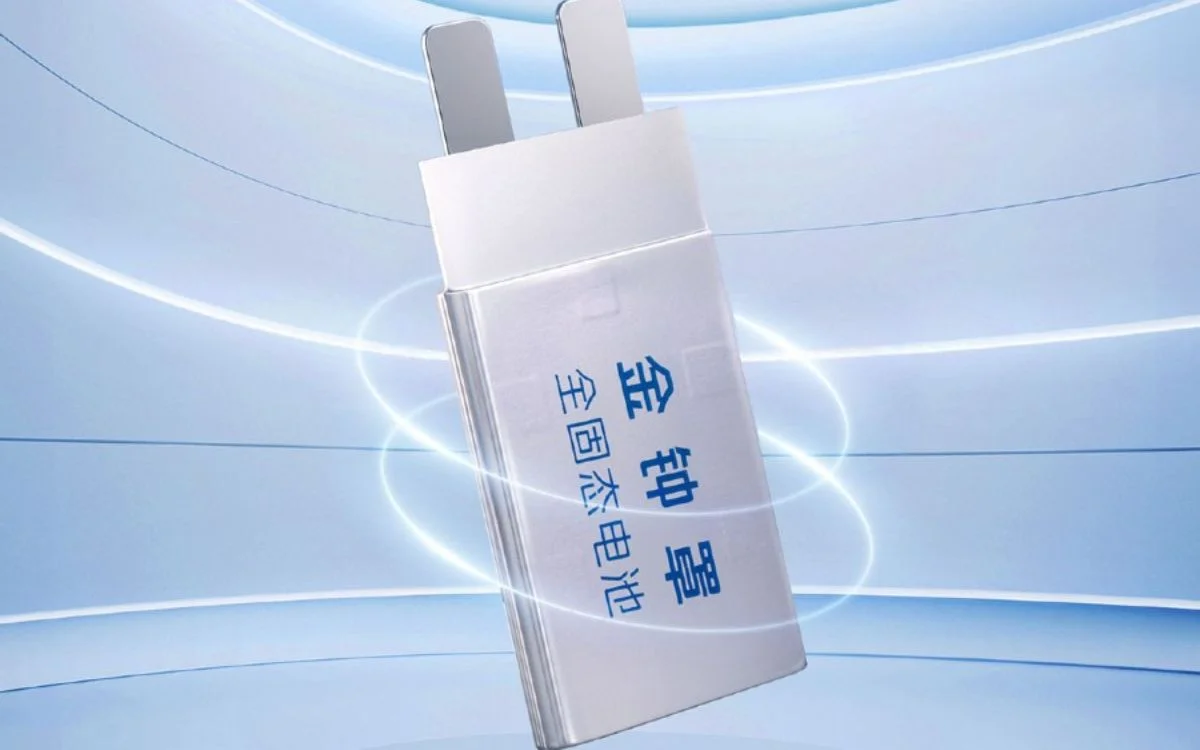
BEIJING & DETROIT — The automotive industry’s most elusive holy grail has officially transitioned from laboratory theory to commercial reality. According to comprehensive reports from primary industry wire source Electrek, the commercial rollout of next-generation solid-state electric vehicle (EV) batteries is officially underway in China. The technological milestone shatters historical boundaries, introducing production vehicles capable of delivering an astonishing, near-1,000-mile driving range on a single charge.
This seismic shift threatens to upend the global automotive hierarchy. For over a decade, legacy automakers and deep-pocketed startups across the United States, Europe, and Japan chased the solid-state dream, continually pushing commercialization timelines further into the future. By beating Western competitors to the assembly line, Chinese manufacturers have established a formidable lead in the next phase of the global energy transition—forcing international regulators and boardrooms into an urgent state of reevaluation.
The Technology Driving the Revolution
To understand the magnitude of this commercial rollout, one must examine the physics of conventional lithium-ion batteries. Traditional EV cells rely on liquid electrolytes to facilitate the movement of lithium ions between the anode and cathode. While effective, liquid electrolytes are inherently volatile, prone to thermal runaway (fires), and limited in their energy density.
Solid-state batteries replace these liquid components with solid materials—typically ceramics, polymers, or sulfides. This fundamental architectural change yields revolutionary benefits:
- Unprecedented Energy Density: Solid-state cells pack significantly more energy into a fraction of the space and weight, directly enabling the staggering 1,000-mile range threshold.
- Elimination of Fire Risks: Without flammable liquid solvents, the danger of catastrophic battery fires drops precipitously.
- Sub-15-Minute Charging: Solid-state architecture allows for hyper-fast ion transfer, slashing refueling times down to the duration of a conventional gas station stop.
- All-Weather Resilience: Unlike traditional cells that suffer severe range degradation in freezing winter temperatures, solid-state chemistries maintain high efficiency across extreme thermal swings.
Market Impact and Global Economic Shockwaves
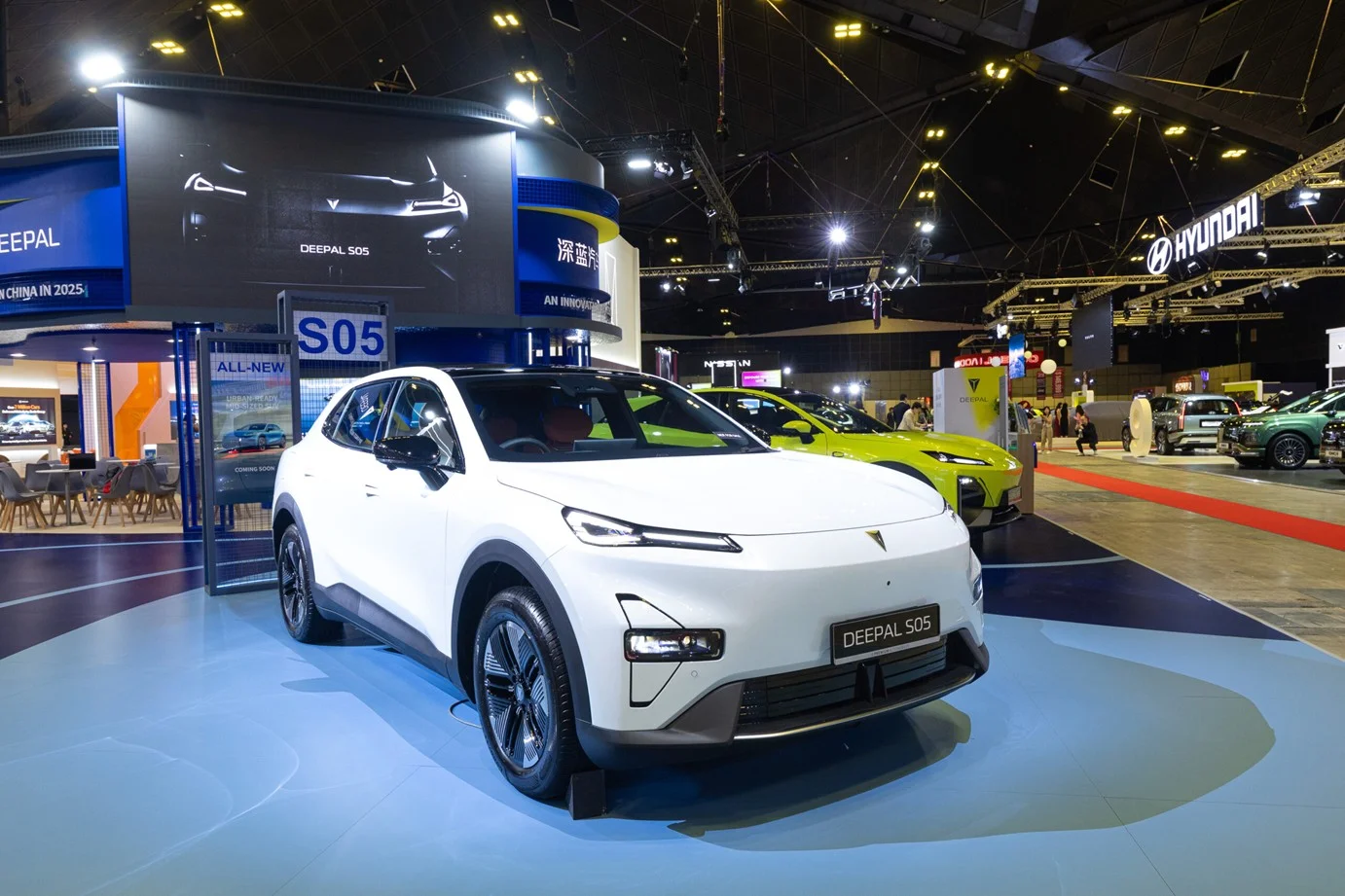
The arrival of solid-state EVs on Chinese public roads is more than a win for engineering; it is an economic earthquake. For Western automakers currently grappling with slowing consumer adoption, high interest rates, and charging infrastructure anxiety, the Chinese breakthrough removes the primary psychological barrier to EV ownership: range anxiety.
Industry analysts point out that a 1,000-mile range effectively renders the internal combustion engine obsolete for long-distance transit. A driver could theoretically commute for weeks, or drive cross-country from Beijing to Shanghai, without ever plugging in or stopping at a commercial charging stall.
| Metric | Traditional Lithium-Ion EVs | New Chinese Solid-State EVs |
|---|---|---|
| Average Range | 250 – 350 miles | Up to 1,000 miles |
| Electrolyte Type | Volatile Liquid | Stable Solid (Ceramic/Polymer/Sulfide) |
| Thermal Safety Risk | Moderate to High | Near Zero |
| Commercial Status | Mass Market Standard | Active Commercial Rollout (China) |
Geopolitical Pressures and the Western Catch-Up Race
The swift commercialization of solid-state technology places immense pressure on Washington and Brussels. For years, Western trade policies have sought to erect protective tariffs and regulatory barriers against Chinese EV imports. However, tariffs cannot protect domestic industries from a profound technological deficit.
Automotive executives in Detroit, Wolfsburg, and Tokyo now face a stark reality: consumers in key global markets will soon demand vehicles that outclass domestic offerings by a factor of three in range and safety. Venture capital and government subsidies in the West are already pivoting rapidly to accelerate domestic solid-state R&D, but bridging a multi-year manufacturing lead will require unprecedented capital expenditure and regulatory streamlining.
What Happens Next for Consumers?
As these vehicles roll off Chinese production lines, global logistics and supply chains are shifting to secure access to proprietary solid-state components. While initial manufacturing costs remain high—a standard hurdle for breakthrough technologies—economies of scale are projected to drive prices down aggressively over the next 24 to 36 months.
For the average car buyer, the message from the global market is unmistakable: the tipping point of the transportation revolution has arrived. The era of the liquid-lithium battery is drawing to a close, and a high-range, ultra-safe solid-state future is officially underway.
Frequently Asked Questions
When will solid-state EVs be available outside of China?
While the initial commercial rollout is concentrated in the Chinese domestic market, international automakers and joint ventures are aggressively racing to adapt their supply chains. Limited global availability of solid-state passenger vehicles is projected to begin appearing in North American and European markets late in the decade, pending regulatory crash testing and localized manufacturing scale-up.
How does a 1,000-mile range change day-to-day driving?
A 1,000-mile battery essentially eliminates the need for home Level 2 charging routines for average commuters. A driver traveling 40 miles a day could theoretically operate the vehicle for nearly a month before needing to seek out a high-speed public charging station, fundamentally transforming the ownership experience and alleviating grid pressure.