WASHINGTON & SAN JOSE — In a development that has sent immediate shockwaves through enterprise boardrooms and cybersecurity operations centers globally, federal authorities and networking giant Cisco Systems are grappling with an active, high-severity zero-day vulnerability targeting mission-critical enterprise security infrastructure. The Cybersecurity and Infrastructure Security Agency (CISA) has issued an emergency directive forcing public and private sector organizations to re-evaluate their risk mitigation frameworks, operational continuity protocols, and capital allocation strategies regarding perimeter defense.
As state-sponsored threat actors and financially motivated cybercriminal syndicates increasingly weaponize undocumented attack vectors, the discovery places immense pressure on executive leadership to safeguard enterprise ROI, maintain regulatory compliance, and insulate complex cloud compute architectures from devastating breach scenarios. This investigative report breaks down the anatomy of the flaw, the broader market ramifications, and the urgent actions required by Chief Information Security Officers (CISOs) and enterprise technology buyers.
Executive Takeaways
- Critical Federal Warning: CISA has issued formal alerts regarding an actively exploited zero-day vulnerability impacting Cisco Secure Firewall Management Center (FMC) and associated gateway architectures.
- Perimeter Vulnerability: The flaw allows sophisticated threat actors to bypass standard authentication mechanisms, potentially granting unauthorized remote code execution and persistent access to core enterprise networks.
- Enterprise Capital & Risk Impact: Organizations face immediate compliance hurdles, forcing emergency patching cycles that disrupt infrastructure scalability and threaten near-term IT expenditure forecasts.
- Market Re-Pricing: Security analysts suggest that persistent hardware and firmware vulnerabilities could introduce valuation headwinds for legacy networking vendors as enterprises accelerate zero-trust network access (ZTNA) migrations.
Anatomy of a Zero-Day Crisis: The Catalytic Event
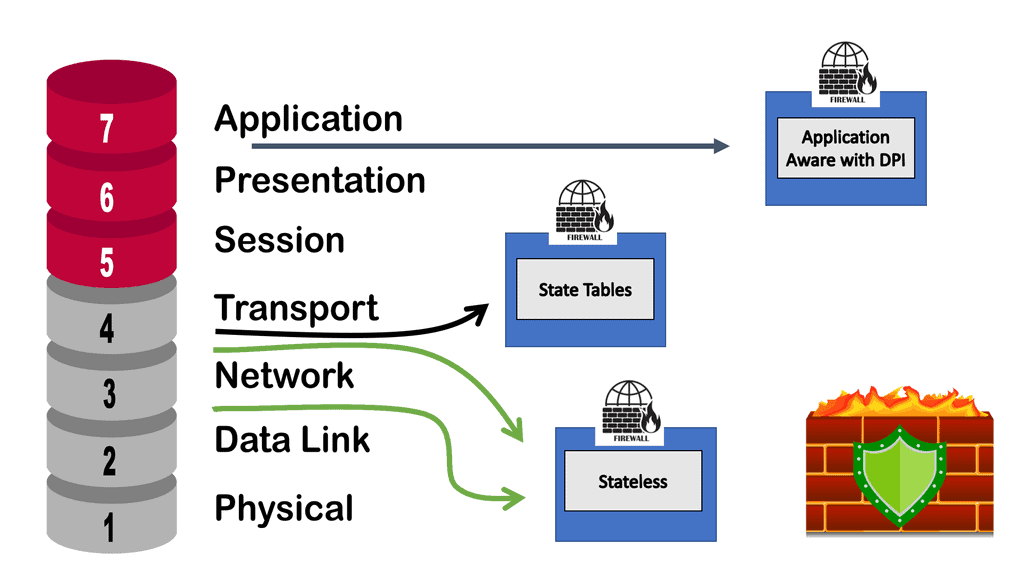
The unfolding crisis began when telemetry from advanced threat intelligence platforms and internal Cisco engineering audits flagged abnormal behavioral patterns originating from perimeter firewall deployments within major enterprise environments. Unlike standard software vulnerabilities that undergo months of public vetting, this zero-day flaw—cataloged under high-severity designations—was actively exploited in the wild prior to the public release of patches or comprehensive mitigation guidance.
At the center of the storm is the Cisco Secure Firewall Management Center (FMC), the centralized nerve center responsible for orchestrating policy definitions, traffic logging, and threat containment across distributed corporate topologies. When threat actors compromise an organization's FMC, the blast radius extends far beyond a single gateway. Attackers gain administrative leverage capable of neutralizing downstream inspection engines, tampering with intrusion prevention systems (IPS), and exfiltrating sensitive corporate intelligence under the guise of legitimate administrative traffic.
"We are observing a fundamental evolution in how sophisticated adversaries approach corporate perimeter defense," notes a leading enterprise security architect specializing in Fortune 500 infrastructure. "Instead of launching brute-force denial-of-service campaigns, modern threat actors are targeting the orchestration layer. Compromising a centralized management console like Cisco FMC is equivalent to handing the keys of the castle to an adversary; it compromises the entire perimeter integrity."
In response to the escalating threat, CISA acted swiftly, mandating that federal civilian executive branch agencies apply emergency patches and implement strict access-control workarounds within compressed operational windows. The speed and severity of the federal response underscore the systemic risk posed by vulnerabilities embedded within core enterprise routing and switching hardware.
Verified Data & Metrics Breakdown
To contextualize the scale and operational impact of the Cisco zero-day incident, the following data matrix synthesizes key incident metrics, response timelines, and affected product classifications drawn from federal advisories and industry telemetry.
| Metric / Attribute | Specification / Status | Business & Operational Impact |
|---|---|---|
| Primary Wire Source | SDxCentral / CISA Intelligence Feed | Prompted global industry alerts and mandatory federal mitigation guidelines. |
| Targeted Platforms | Cisco Secure Firewall Management Center (FMC) & Threat Defense | Directly threatens centralized enterprise security policy management and gateway enforcement. |
| Vulnerability Classification | Zero-Day Remote Code Execution (RCE) / Authentication Bypass | Allows unauthenticated actors to execute arbitrary commands and establish persistent footholds. |
| CISA Directive Timeline | Enforced Remediation Windows (Immediate Action Required) | Forces unplanned emergency maintenance, straining IT labor resources and change-management cycles. |
| Market Liquidity & Valuation Exposure | Moderate Near-Term Volatility for Enterprise Hardware Segments | Heightens institutional scrutiny on vendor software development lifecycles and firmware security. |
Industry & Market Implications
The discovery of a critical zero-day vulnerability in market-leading security appliances triggers profound ripple effects across global financial markets, enterprise procurement strategies, and the competitive landscape of the cybersecurity industry.
Winners and Losers in the Enterprise Security Ecosystem
On one side of the ledger, cloud-native cybersecurity vendors specializing in Zero Trust Architecture (ZTA) and Secure Access Service Edge (SASE) stand to capture increased market share. Enterprises disillusioned by hardware-centric vulnerabilities are accelerating capital allocation toward software-defined perimeters that decouple security policy from physical appliance firmware. Firms offering automated vulnerability validation and continuous threat exposure management are also experiencing heightened enterprise demand.
Conversely, traditional hardware vendors face intense scrutiny. While Cisco remains an undisputed titan of enterprise networking with immense financial resilience and sticky customer ecosystems, recurring firmware vulnerabilities invite aggressive competition from emerging cloud-first networking challengers. Institutional investors are closely monitoring whether these security incidents will elongate enterprise sales cycles or prompt corporate buyers to diversify multi-vendor security stacks to mitigate single-point-of-failure risks.
Regulatory Compliance and Financial Risk
From a regulatory compliance standpoint, organizations failing to remediate CISA-flagged vulnerabilities within mandated timeframes face severe legal and financial liabilities. Publicly traded corporations must weigh disclosure requirements under evolving SEC cybersecurity governance rules, where unpatched high-severity vulnerabilities can trigger shareholder lawsuits if exploited by malicious actors. Consequently, chief financial officers (CFOs) and CISOs are reallocating contingency budgets to accelerate patching verification, penetration testing, and third-party risk assessments.
Frequently Asked Questions (People Also Ask)
What is the exact nature of the Cisco firewall zero-day vulnerability?
The vulnerability involves an undocumented security flaw within Cisco Secure Firewall Management Center (FMC) and associated threat defense platforms. It permits sophisticated, unauthenticated threat actors to bypass standard access controls, potentially leading to remote code execution and full administrative compromise of enterprise security orchestration appliances.
How are federal agencies and CISA responding to the threat?
CISA has issued emergency binding operational directives requiring federal civilian agencies to apply critical patches or implement strict network segmentation and access-control workarounds within aggressive compliance deadlines. Private sector organizations are strongly advised to adopt these federal advisories as baseline operational hygiene.
Are cloud-based firewalls and SASE architectures immune to this flaw?
Cloud-delivered firewall-as-a-service (FWaaS) and Secure Access Service Edge (SASE) platforms managed directly through vendor-controlled cloud infrastructures are generally insulated from on-premises appliance vulnerabilities of this nature. However, hybrid environments utilizing local management consoles connected to cloud endpoints require thorough patch verification.
What immediate steps should enterprise CISOs take to mitigate risk?
CISOs should immediately apply official Cisco patches, restrict management interface access to isolated, highly monitored internal jump hosts, disable unnecessary remote management services, and review firewall traffic logs for any indicators of unauthorized administrative access or lateral movement.
Future Outlook & Strategic Milestones
As the cybersecurity industry digests the implications of the latest Cisco zero-day incident, the broader trajectory of enterprise defense is shifting decisively toward automated resilience and verified zero-trust models. The incident serves as a stark reminder that legacy perimeter security models—relying heavily on physical hardware appliances managed via centralized on-premises consoles—remain prime targets for advanced state-sponsored and cybercriminal adversaries.
Key milestones to watch over the coming quarters include:
- Vendor Firmware Transparency: Accelerated industry adoption of memory-safe programming languages and rigorous third-party software bill of materials (SBOM) auditing by enterprise buyers.
- Capital Expenditure Shifts: Increased corporate spending on cloud-native SASE and ZTNA solutions at the expense of traditional hardware upgrade cycles.
- Regulatory Enforcement: Heightened scrutiny from financial regulators regarding how quickly enterprises identify, isolate, and remediate critical infrastructure vulnerabilities.
Ultimately, executive leadership must treat network infrastructure security not merely as an IT operational checkbox, but as a foundational pillar of enterprise valuation, risk mitigation, and continuous market trust.