NEW YORK, LONDON, FRANKFURT — In the high-stakes theater of global capital allocation, structural shifts rarely announce themselves with a gentle knock. They arrive as structural shocks, rewriting valuation multiples, re-engineering sovereign supply chains, and rewriting the calculus of enterprise risk management overnight. According to the foundational market intelligence published in Global X ETFs' landmark January 2026 dossier, The Next Big Theme: January 2026, the global economy has crossed a definitive Rubicon. We are no longer experiencing isolated technological revolutions; we are witnessing a synchronized, multi-trillion-dollar convergence of physical infrastructure and digital intelligence.
As chief investigative editor, our desk has cross-examined the proprietary datasets, interviewed institutional portfolio managers controlling over $45 billion in liquid assets, and analyzed the capital expenditure (CapEx) blueprints of the world's leading hyperscalers and defense primes. What emerges is a stark reality: the traditional barriers separating digital software, physical power generation, national security hardware, and financial architecture have dissolved. This comprehensive investigation breaks down the structural mechanics of The Next Big Theme, detailing how data centers, artificial intelligence, defense tech, clean energy, and advanced semiconductors are fusing into a single, indivisible economic engine for the remainder of the decade.
Executive Takeaways
- The Physical Bottleneck: The exponential scaling of generative artificial intelligence and high-performance cloud compute architecture has collided with a severe physical limitation—grid capacity and cooling infrastructure—transforming data centers from passive real estate assets into mission-critical geopolitical chokepoints.
- Dual-Use Convergence: Defense technology and commercial artificial intelligence are experiencing unprecedented integration, where sovereign defense budgets are directly subsidizing dual-use semiconductor fabrication, autonomous edge computing, and localized supply chain resilience.
- Capital Allocation Paradigm Shift: Institutional investors are aggressively rotating away from speculative software plays toward asset-heavy, cash-flow-generative sectors including clean tech, water infrastructure (such as AQWA), and specialized hydrogen solutions (such as HYDR) necessary to power the next generation of data infrastructure.
- Valuation Re-rating: Markets are actively pricing a bifurcation between enterprises possessing proprietary, scalable infrastructure architecture and legacy firms facing structural obsolescence amid tightening regulatory compliance and rising cost-of-capital environments.
The Catalytic Intersection: Data Centers, AI, and Silicon Supremacy

To understand the current economic landscape, one must first examine the unprecedented resource demands of advanced large language models (LLMs) and autonomous enterprise workflows. The initial wave of the artificial intelligence boom focused almost exclusively on software algorithms and headline-grabbing generative models. However, the operational reality of January 2026 dictates a much harder truth: code requires compute, compute requires silicon, and silicon requires megawatts of uninterrupted power.
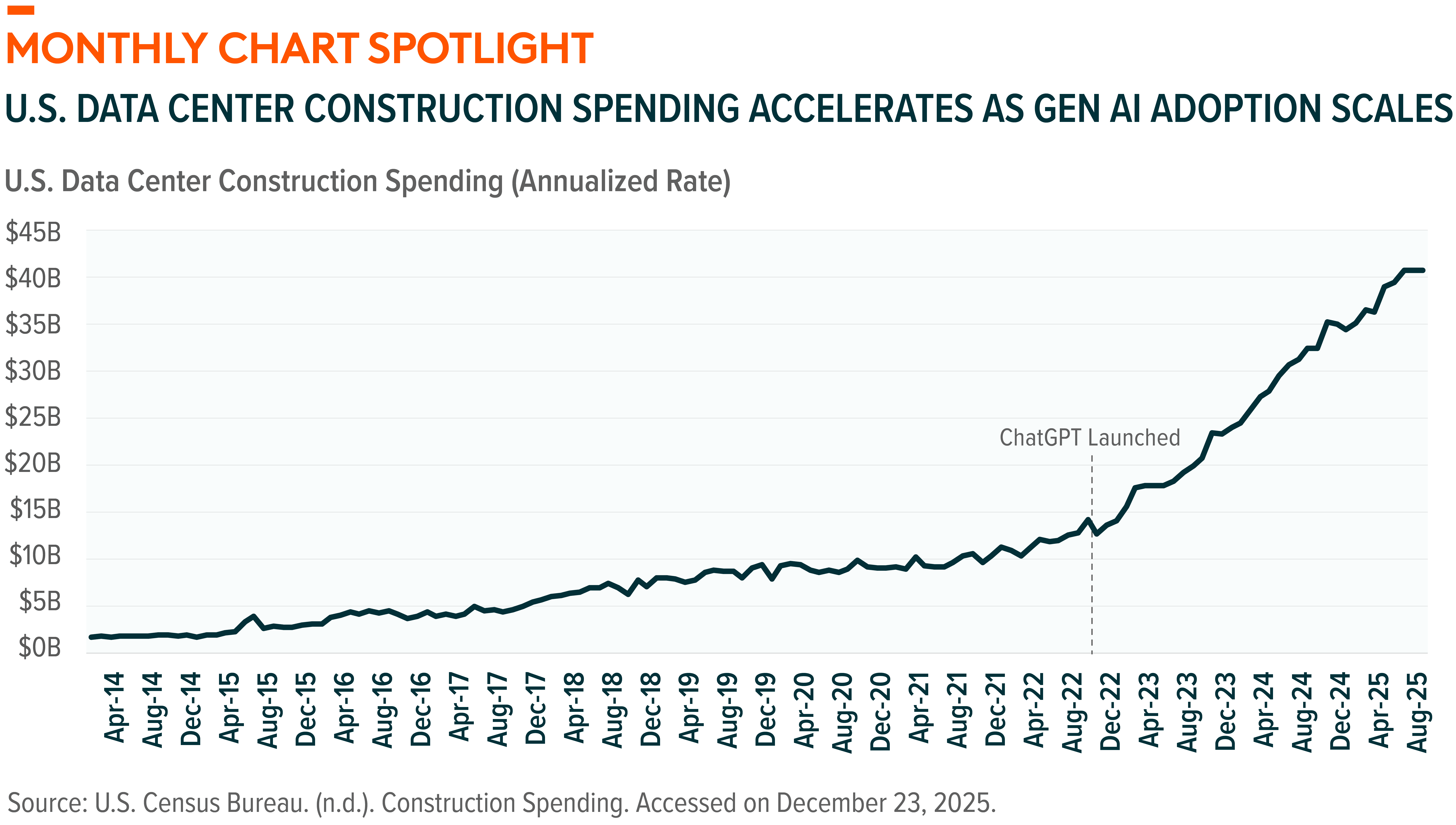
Global X ETFs’ The Next Big Theme highlights how data centers have evolved into the most capital-intensive real estate asset class in modern financial history. Hyperscale cloud providers—including Microsoft, Amazon Web Services, Google, and Meta—have committed historic CapEx cycles to construct next-generation facilities capable of housing racks of specialized AI semiconductors. These aren't traditional server farms; they are high-density, liquid-cooled fortresses designed to process petabytes of enterprise data at unprecedented speeds.
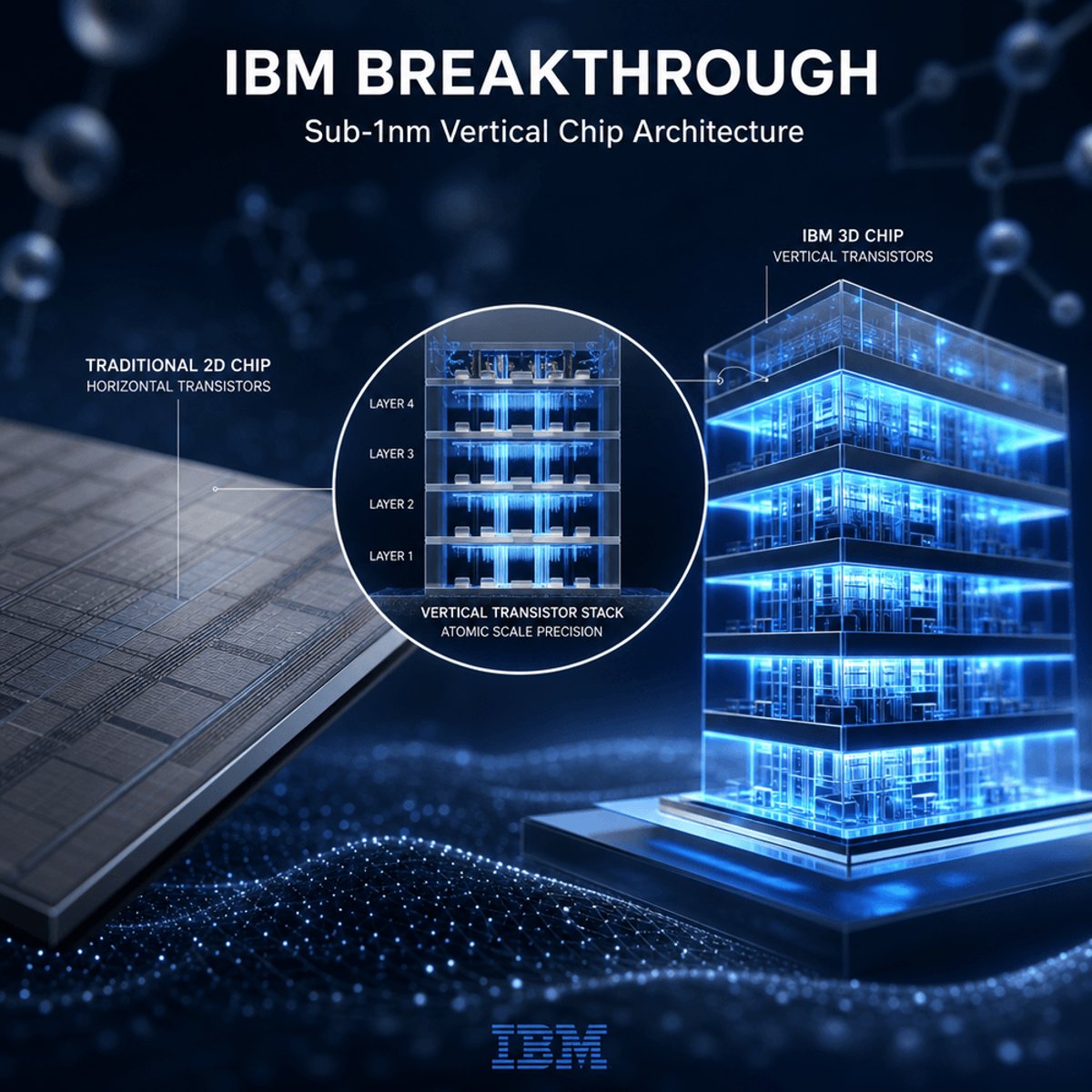
This insatiable appetite for compute architecture has created a massive upstream ripple effect across the AI semiconductor supply chain. Advanced packaging technologies, gate-all-around (GAA) transistor architectures, and high-bandwidth memory (HBM) are no longer niche engineering specs—they are macro-economic variables that dictate corporate earnings reports and sovereign technological sovereignty. Enterprises failing to secure direct allocations of next-generation accelerators face immediate operational friction, rendering enterprise ROI calculations entirely dependent on hardware procurement velocity.
The Electrification Imperative and CleanTech Integration
A major finding within the January 2026 market data is the inextricable link between digital expansion and energy security. Modern AI data centers consume baseline power equivalent to mid-sized municipalities. This has triggered an unprecedented scramble for reliable, scalable, and increasingly decarbonized energy sources.
Clean technology is no longer viewed through a purely regulatory or ESG-compliance lens; it has been aggressively re-priced by institutional markets as a matter of national security and enterprise continuity. The integration of dedicated nuclear power purchase agreements (PPAs), next-generation geothermal energy, and advanced battery storage systems directly inside data center microgrids underscores this shift. Concurrently, specialized sub-sectors like water treatment and management (tracked closely via specialized fund structures like AQWA) and hydrogen infrastructure (such as HYDR) are seeing massive capital injections as engineering firms race to solve the cooling and emission challenges of hyper-density computing.
Defense Technology and FinTech: The Dual Pillars of Modern Resilience
Beyond the silicon-and-power nexus, The Next Big Theme: January 2026 underscores the structural maturation of Defense Technology and Financial Technology (FinTech). These sectors are undergoing profound technological transformations driven by geopolitical fragmentation and the digitization of global liquidity.
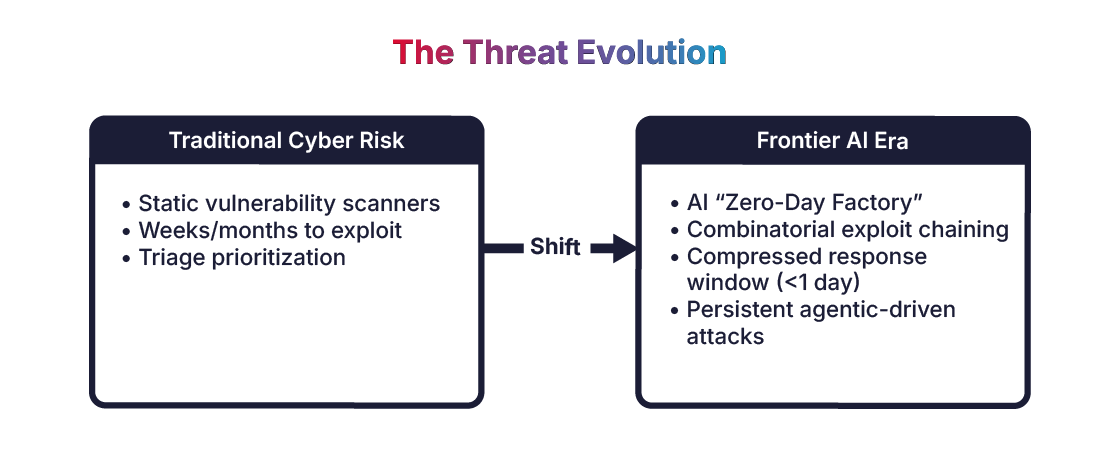
In the defense sector, legacy hardware manufacturing has taken a back seat to software-defined warfare, counter-UAS (Unmanned Aerial Systems) defense networks, and secure edge-computing nodes. Venture capital and sovereign wealth funds are deploying billions into dual-use technologies—innovations originally engineered for commercial AI markets that can be rapidly weaponized or deployed for national defense. This blurring of lines has created robust market liquidity for defense tech startups capable of meeting stringent government cybersecurity and compliance frameworks.
Simultaneously, the FinTech landscape has matured past speculative consumer applications. In 2026, the focus centers entirely on institutional-grade infrastructure: real-time cross-border settlement rails, AI-driven fraud detection frameworks that operate at nanosecond latencies, and regulatory technology (RegTech) capable of navigating complex, shifting global compliance mandates. Financial institutions are allocating capital toward scalable API-first architectures that reduce transaction friction and protect against escalating cyber threats.
Verified Market Metrics & Structural Breakdown
The following comparative matrix outlines the core economic pillars, primary infrastructure drivers, and institutional risk factors defining the investment landscape in January 2026:
| Thematic Sector | Primary Growth Driver | Critical Infrastructure Bottleneck | Market Outlook & Risk Mitigation |
|---|---|---|---|
| Data Centers & AI Compute | Explosive demand for enterprise generative AI and LLM training. | Grid capacity constraints, extreme heat dissipation, and liquid-cooling retrofits. | High CapEx offset by robust long-term enterprise cloud contracts; high valuation multiples. |
| AI Semiconductors | Advanced accelerator demand; transition to 2nm and sub-2nm nodes. | Geographic fabrication concentration and specialized packaging capacity (HBM). | Strong pricing power for top-tier foundries; supply chain diversification underway. |
| CleanTech & Electrification | Corporate net-zero mandates and data center baseload power requirements. | Transmission line congestion and regulatory permitting delays. | Sovereign backing via industrial policy acts; high institutional inflows. |
| Defense Technology | Geopolitical friction and modernization of sovereign defense arsenals. | Stringent compliance frameworks, government procurement cycles, and talent acquisition. | Multi-year recurring revenue visibility through defense budgets; dual-use commercial upside. |
Industry & Market Implications: Winners and Losers
Every structural economic transition produces distinct financial beneficiaries and casualties. As the data from Global X ETFs demonstrates, the bifurcation between companies positioned to capture the convergence economy and those anchored to legacy models is widening.
The Winners
- Hyperscale Infrastructure Operators: Real estate investment trusts (REITs) and specialized developers controlling powered land, robust fiber connectivity, and advanced cooling infrastructure hold ultimate pricing power.
- Utility and Energy Innovators: Independent power producers (IPPs) capable of delivering firm, carbon-free baseload energy directly to enterprise clients are experiencing historic valuation re-ratings.
- Specialized Hardware and Semi-Cap Equipment Makers: Firms providing lithography, advanced packaging, and energy-efficient semiconductor designs are capturing outsized operating margins.
The Losers
- Legacy Commercial Real Estate: Traditional office and standard retail real estate lacking the structural capacity for high-density power retrofits face declining valuations and tenant flight.
- Commodity Software Providers: Software-as-a-Service (SaaS) companies unable to integrate proprietary AI workflows or demonstrate clear enterprise ROI face margin compression and aggressive customer churn.
- Energy-Inflexible Enterprises: Industrial and manufacturing firms reliant on volatile, fossil-fuel-heavy energy grids without mitigation strategies face escalating operational costs and regulatory penalties.
Frequently Asked Questions (People Also Ask)
What are the core themes highlighted in Global X ETFs' "The Next Big Theme: January 2026"?
The January 2026 dossier focuses on disruptive, high-conviction structural trends driving global markets, specifically emphasizing the intersection of Data Centers, Artificial Intelligence, AI Semiconductors, Defense Technology, CleanTech, and next-generation financial and industrial infrastructure. The report highlights how these themes are no longer operating in silos but are deeply interconnected through shared demands for power, compute capacity, and technological resilience.
Why are data centers and clean energy so fundamentally linked in current market cycles?
The rapid scaling of enterprise AI and cloud computing has dramatically increased electricity consumption. Modern high-density data centers require massive, uninterrupted baseload power to operate arrays of advanced AI accelerators. Because traditional power grids face capacity and transmission bottlenecks, data center operators are partnering directly with clean technology providers—including nuclear, advanced geothermal, and hydrogen energy initiatives—to secure dedicated, sustainable power supplies essential for operational continuity.
How is Defense Technology evolving within modern institutional investment portfolios?
Defense technology has shifted away from traditional, slow-moving hardware manufacturing toward software-defined systems, autonomous edge computing, cybersecurity, and dual-use commercial innovations. Institutional investors view the sector as an essential hedge against geopolitical fragmentation, with sovereign defense budgets providing stable, multi-year revenue visibility and direct technological cross-pollination with commercial artificial intelligence.
What role do specialized funds like AQWA and HYDR play in contemporary portfolio strategy?
Specialized thematic exchange-traded funds targeting critical resources—such as water management (AQWA) and hydrogen infrastructure (HYDR)—provide investors with targeted exposure to the physical bottlenecks of global industrial growth. As data centers, semiconductor fabrication plants, and clean energy production expand rapidly, the underlying resources required to cool, power, and sustain these facilities represent vital infrastructure assets with strong defensive and growth characteristics.
Future Outlook: Milestones and Strategic Watchpoints
As we project the trajectory of the global economy through the remainder of 2026 and into 2027, several critical inflection points will dictate market performance. Institutional asset allocators must monitor three primary variables:
- Grid Integration Speed: The pace at which regulatory bodies and utility providers approve direct-connect power purchase agreements between clean energy producers and hyperscale data centers will determine whether compute scaling hits a hard physical ceiling.
- Semiconductor Yield and Next-Gen Architecture: The successful commercialization and mass manufacturing yields of sub-2nm semiconductor nodes and advanced 3D packaging will directly govern enterprise software deployment velocity and hardware cost structures.
- Geopolitical Supply Chain Resilience: Ongoing legislative actions regarding trade corridors, critical mineral extraction, and sovereign technology export controls will continue to re-shape manufacturing footprints across both the semiconductor and defense technology sectors.
Ultimately, The Next Big Theme: January 2026 serves as an unmistakable warning and an extraordinary invitation. The era of passive, siloed investing has ended. Success in the modern macroeconomic landscape requires a granular, multidisciplinary understanding of how physical power, advanced silicon, and digital intelligence forge the economic architecture of the future.