Executive Takeaways
- Raw TFLOPS vs. Architecture: While the Xbox Series X boasts a fixed 12.15 TFLOPS RDNA 2 GPU, modern Linux-based PC hardware and Valve's iterative ecosystem leverage flexible API abstraction layers that redefine performance efficiency.
- Capital Allocation & Hardware Subsidies: Microsoft’s hardware-loss-leader strategy contrasts sharply with the modular, component-driven capital expenditure model of PC-console hybrids like the Steam Machine.
- Ecosystem Openness vs. Walled Gardens: Market valuation multiples for platform holders increasingly hinge on software attach rates, cloud compute architecture integration, and infrastructure scalability rather than isolated silicon throughput.
The eternal debate surrounding living-room hardware dominance has entered a volatile new phase. As search volume spikes across global intelligence feeds, consumers and institutional analysts alike are interrogating a fundamental premise: Is the Xbox Series X, Microsoft's flagship 4K gaming powerhouse, technically superior to the conceptual and physical iterations of the Steam Machine?
To answer this requires stripping away the marketing hyperbole and examining the silicon, the software stacks, and the macroeconomic strategies governing both ecosystems. For enterprise investors, tech historians, and hardcore enthusiasts, this comparison is no longer merely about frame rates; it is a stress test of two diametrically opposed visions for the future of interactive entertainment.
The Genesis of the Clash: Fixed Hardware Versus Scalable PC Architecture
Test Our Free AI & Tech Utilities Suite
Calculate LLM API token costs, analyze article dwell-time, or simulate tech DCA returns.
When Microsoft deployed the Xbox Series X in November 2020, it did so with a clear mandate: deliver uncompromising, fixed-spec console performance designed to rival high-end desktop rigs of that era. Powered by a custom 7nm AMD Zen 2 CPU and an RDNA 2 GPU pushing 52 compute units at 1.825 GHz, the machine yields a deterministic 12.15 teraflops of single-precision compute performance. Coupled with 16GB of GDDR6 RAM on a 320-bit bus and custom NVMe solid-state storage, the hardware was engineered to eliminate bottlenecks through the Xbox Velocity Architecture.
Conversely, the term "Steam Machine"—originally pioneered by Valve in the mid-2010s as a decentralized living-room PC initiative and subsequently supercharged by the explosive commercial success of the Steam Deck and modern handheld-to-desktop docking ecosystems—represents an entirely different paradigm. Unlike a closed console, a Steam Machine is defined by its architecture: a Linux-based operating system (SteamOS running Proton) coupled with modular, off-the-shelf PC components from manufacturers like AMD, NVIDIA, and Intel.
This structural divergence creates a fascinating analytical puzzle. On paper, a fixed-spec console offers guaranteed optimization; developers write code directly to the metal. However, modern high-end PC hardware configurations frequently eclipse the raw compute capabilities of eighth- and ninth-generation consoles. Evaluating whether the Xbox Series X is "more powerful" demands a granular look at how compute power is utilized across varying software layers.
Deconstructing the Specs: A Comparative Analysis
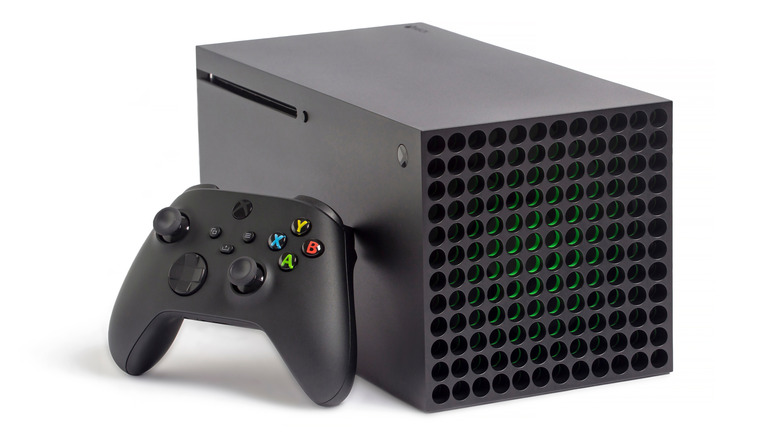
To understand the competitive landscape, we must examine the hard metrics. The following matrix contrasts the architectural baseline of the Xbox Series X against high-performance SteamOS-driven PC hardware configurations currently dominating enthusiast discourse.
| Metric / Specification | Xbox Series X (Microsoft) | High-End Steam Machine / PC Hybrid |
|---|---|---|
| Primary Architecture | Custom AMD Zen 2 (8 Cores / 16 Threads) | AMD Ryzen 7 / Zen 4 or Intel Core Ultra equivalents |
| Graphics Processing (GPU) | Custom RDNA 2, 52 CUs (12.15 TFLOPS) | AMD Radeon RX 7700XT / NVIDIA RTX 4070 tier (30+ TFLOPS) |
| System Memory (RAM) | 16GB GDDR6 (336 GB/s [10GB], 560 GB/s [6GB]) | 32GB / 64GB DDR5 (Modular, 500+ GB/s bandwidth) |
| Storage Subsystem | 1TB Custom NVMe SSD (2.4 GB/s raw, 4.8 GB/s compressed) | PCIe Gen 4.0 / 5.0 NVMe SSD (7.0+ GB/s read speeds) |
| Operating System & API | Custom Windows-derived OS, DirectX 12 Ultimate | SteamOS (Arch Linux), Vulkan / Proton translation layer |
Industry & Market Implications: Capital Allocation, Ecosystems, and Valuation
From an enterprise finance perspective, comparing a traditional console to a Steam Machine ecosystem involves evaluating risk mitigation and hardware subsidization models. Microsoft has historically treated the Xbox hardware ecosystem as a loss leader, relying on software attach rates, Xbox Game Pass subscriptions, and microtransaction take-rates to recoup capital expenditure and drive positive cash flow.
Valve, on the other hand, operates with an extraordinary structural advantage: the Steam digital storefront. By commanding a dominant market share in PC digital distribution, Valve can afford to treat hardware initiatives—whether handhelds, living-room units, or controllers—as ecosystem accelerators rather than primary profit centers. This fundamental difference in corporate strategy impacts infrastructure scalability:
- Hardware Lifecycles: The Xbox Series X operates on a rigid 7-to-8-year generational cycle, offering developers stable optimization targets. A Steam Machine framework benefits from continuous component upgrades, allowing users to swap out GPUs and expand RAM dynamically.
- Software Compatibility: Xbox titles are bound to Microsoft’s proprietary ecosystem and backward-compatibility programs. Steam Machines leverage Linux and Proton, granting access to decades of PC software libraries without mandatory platform-holder remaster fees.
- Regulatory & Antitrust Scrutiny: As cloud compute architecture and digital storefront monopolies face intense regulatory oversight globally, open-ecosystem Linux devices present a lower regulatory risk profile compared to walled-garden console ecosystems.
Frequently Asked Questions (People Also Ask)
Is a Steam Machine more powerful than an Xbox Series X?
In terms of raw, unconstrained silicon specs, modern high-end PC configurations utilized in Steam Machine setups easily surpass the fixed 12.15 TFLOPS of the Xbox Series X. However, console optimization allows the Xbox to punch above its weight class relative to mid-tier PC equivalents.
Can a Steam Machine run Xbox exclusive games?
Directly, no. However, Microsoft’s ongoing strategic shift toward multiplatform publishing means that many former Xbox exclusives are now natively available on PC via Steam, or accessible via Xbox Cloud Gaming through web browsers on Linux.
Which platform offers better long-term return on investment for gamers?
From a purely financial standpoint, PC and Steam-based ecosystems frequently feature aggressive digital sales, cheaper multiplayer access (free online play), and hardware upgradability that avoids the need to purchase an entirely new console generation.
Future Outlook: Strategic Milestones to Watch
As we look toward the mid-to-late 2020s, the boundary between consoles and PC-hybrid hardware will continue to blur. Microsoft is already signaling a hardware-agnostic future, reportedly exploring handheld form factors and deeper integration with third-party storefronts. Meanwhile, Valve continues to refine SteamOS for broader commercial deployment across third-party OEM hardware.
For institutional investors and tech observers, the key metrics to monitor include the adoption rate of Linux-based gaming architectures, changes in digital storefront take-rates, and how traditional console manufacturers adapt their capital allocation strategies in response to modular, high-performance PC competition. Ultimately, while the Xbox Series X remains a formidable piece of engineering, the raw versatility and open infrastructure of the Steam Machine ecosystem present a structural challenge that defines the next era of digital entertainment.