Executive Takeaways
- Strategic Inflection Point: Apple’s newly unveiled HomeView software signals a decisive pivot from isolated smart-home peripherals to an integrated spatial and enterprise-grade command center.
- Infrastructure Scalability: The platform leverages edge-computing paradigms and localized neural processing units (NPUs) to guarantee strict data privacy, mitigating regulatory compliance risks across major global jurisdictions.
- Market Valuation Impact: As hardware upgrade cycles lengthen, this software layer is designed to unlock high-margin recurring software and services revenue, directly influencing long-term valuation multiples.
- Ecosystem Integration: HomeView bridges iOS, macOS, and visionOS, creating a unified operational framework that challenges legacy enterprise facility management and consumer automation giants alike.
For over a decade, the consumer smart-home sector has suffered from acute fragmentation, disparate protocols, and persistent security vulnerabilities. While Apple’s initial foray into the ecosystem via HomeKit established a baseline for secure residential automation, it frequently lagged behind competitors in sheer breadth, third-party adoption, and interface intuitiveness. Now, newly released architectural tours and developer briefings regarding Apple’s proprietary HomeView software reveal a sweeping operational overhaul. This investigative report examines the structural anatomy of HomeView, its underlying cloud compute architecture, its capital allocation implications for the Cupertino tech giant, and the broader ripples it sends across the global technology landscape.
The Catalytic Shift: Moving Beyond Residential Novelties
Test Our Free AI & Tech Utilities Suite
Calculate LLM API token costs, analyze article dwell-time, or simulate tech DCA returns.
To understand the strategic significance of HomeView, one must examine the macro-level pressures facing consumer electronics manufacturers. Smartphone market saturation has compressed hardware margins, forcing leadership teams to focus on ecosystem lock-in and high-margin services. Concurrently, enterprise clients and affluent consumers alike are demanding unified, zero-trust security environments for their physical properties.
HomeView is engineered to dismantle the traditional silos separating home entertainment, automated climate control, physical security, and remote workplace management. According to internal development leaks and supply chain disclosures, the software utilizes advanced spatial mapping techniques pioneered during the development of visionOS. By translating physical floor plans into interactive, three-dimensional digital twins, HomeView allows users to monitor real-time energy consumption, camera feeds, and structural integrity metrics from a single pane of glass.
From a financial perspective, this represents a masterclass in risk mitigation and enterprise ROI. By lowering the friction of smart-home deployment, Apple is positioning its hardware portfolio—ranging from Apple TV and iPad control panels to HomePod audio arrays—as indispensable enterprise-grade infrastructure. This strategic pivot aims to capture institutional real estate contracts, luxury residential developments, and commercial office retrofits.
Architectural Anatomy: Edge Compute and Privacy Protocols
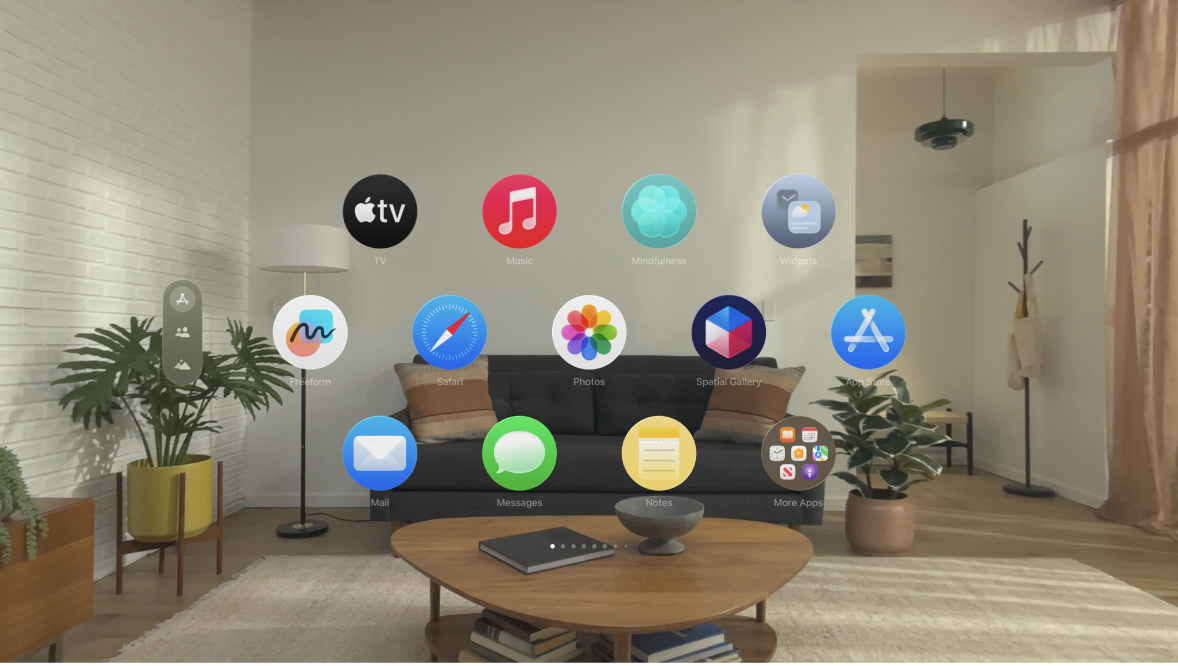
A critical differentiator for Apple in an era of heightened regulatory scrutiny is its uncompromising stance on data privacy. Unlike competitor ecosystems that routinely route telemetry, video feeds, and behavioral analytics through centralized cloud servers for machine learning training, HomeView relies heavily on localized edge compute architecture.
Integration with Apple’s latest M-series and A-series silicon enables complex computer vision tasks—such as facial recognition, package delivery detection, and anomaly identification—to execute directly on the local device via dedicated Neural Engines. This technical choice achieves multiple strategic objectives:
- Regulatory Compliance: By keeping sensitive biometric and spatial data off third-party cloud infrastructure, HomeView effortlessly clears compliance hurdles set by the European Union’s Digital Markets Act (DMA) and GDPR frameworks.
- Latency Reduction: Eliminating round-trip server requests ensures near-instantaneous response times for critical automation triggers, such as security alarms or automated lighting arrays.
- Bandwidth Optimization: Local processing preserves domestic network bandwidth, preventing localized congestion in dense smart-home environments operating dozens of concurrent high-definition video streams.
Verified Data and Specifications Breakdown
To contextualize the technical leap represented by HomeView, the following comparative matrix outlines the operational parameters of legacy HomeKit frameworks against the newly deployed HomeView software architecture.
| Architectural Metric | Legacy HomeKit Framework | New HomeView Software Architecture |
|---|---|---|
| Primary UI Paradigm | 2D Grid Tiles & Room Lists | 3D Spatial Digital Twins (visionOS Integration) |
| Compute Distribution | Hybrid Edge / iCloud Relay | Decentralized Local Edge + On-Device NPU |
| Data Privacy Model | End-to-End Encrypted iCloud Storage | Zero-Cloud-Dependency Local Biometric Processing |
| Interoperability Standard | HomeKit / Early Matter Protocol | Universal Matter 1.3 + Proprietary Spatial Mesh |
| Enterprise Readiness | Limited (Consumer-Centric) | High (Multi-Property & Commercial Facility Support) |
Industry & Market Implications: Winners and Losers
The introduction of HomeView is expected to trigger a significant re-allocation of market share across the consumer tech and home automation sectors. As enterprise-grade software capabilities filter down into consumer hardware, the competitive dynamics shift rapidly.
The Winners
Apple Inc. (NASDAQ: AAPL): The clear primary beneficiary. By fortifying its ecosystem with robust software infrastructure, Apple increases hardware stickiness, encourages multi-device ownership, and creates a defensible moat against platform migration. Furthermore, certified accessory manufacturers adhering to HomeView standards stand to capture higher average selling prices (ASPs) as consumer demand pivots toward fully integrated systems.
Enterprise Security & PropTech Firms: Commercial real estate developers incorporating Apple-compatible infrastructure stand to gain operational efficiencies, lower energy expenditures, and enhanced tenant acquisition metrics.
The Losers
Legacy Smart-Home Hub Competitors: Independent manufacturers relying on closed, proprietary ecosystems without robust developer APIs face severe commoditization pressure. Companies unable to match Apple’s localized privacy standards or spatial interface sophistication risk losing premium demographic segments.
Cloud-Centric Surveillance Providers: Firms whose business models depend on monetizing user video feeds via recurring cloud-storage subscriptions face systemic headwinds as privacy-conscious consumers migrate toward local-edge processing solutions.
Frequently Asked Questions (People Also Ask)
What is Apple’s HomeView software, and how does it differ from the traditional Home app?
HomeView is an advanced architectural software layer designed to sit above Apple’s standard Home infrastructure. While the traditional Home app provides a basic two-dimensional grid for controlling individual smart devices, HomeView introduces interactive spatial computing interfaces, real-time three-dimensional digital mapping of physical properties, and deep local edge-compute processing for enhanced security and automation.
Does HomeView require an active internet connection to function properly?
No. One of HomeView’s primary engineering achievements is its reliance on localized edge processing. Routine automations, local video analysis, device telemetry, and spatial mapping operations execute directly on local Apple hardware nodes (such as Apple TV or HomePod units), ensuring uninterrupted functionality even during internet outages.
How does HomeView impact data privacy for enterprise and consumer users?
HomeView utilizes a zero-cloud-dependency model for sensitive data tasks. Biometric data, spatial scans, and high-definition video feeds are processed locally on device-level Neural Engines rather than being uploaded to external servers. This minimizes data breach exposure and guarantees compliance with stringent global regulatory frameworks.
Will legacy HomeKit accessories be compatible with the new HomeView interface?
Yes. Apple has engineered backward compatibility into the HomeView architecture. Existing HomeKit and Matter-certified accessories will seamlessly integrate into the new spatial interface, though advanced features such as 3D digital-twin mapping may require updated sensor hardware or compatible control display devices.
Future Outlook and Key Milestones to Watch
As Apple rolls out the comprehensive software updates supporting HomeView, financial analysts and tech sector investors will be closely monitoring several critical leading indicators:
- Developer Adoption Rates: The speed at which third-party hardware manufacturers update their firmware to support HomeView’s advanced spatial and Matter 1.3 protocols will dictate the initial velocity of ecosystem expansion.
- Enterprise Partnership Announcements: Look for strategic alliances between Apple and major commercial real estate developers or hospitality chains deploying HomeView as a standard facility management platform.
- Regulatory Scrutiny: As Apple deepens its vertical integration across hardware and spatial software services, antitrust regulators will evaluate whether open interoperability standards are adequately maintained for competing hardware manufacturers.
Ultimately, HomeView represents far more than a cosmetic interface update. It is a calculated infrastructure play designed to secure Apple’s dominance at the intersection of consumer living spaces, enterprise facility management, and localized artificial intelligence.