Executive Takeaways
- Paradigm Shift: Apple has officially abandoned its decade-long anti-touchscreen desktop dogma, introducing a high-performance OLED MacBook Pro featuring multi-touch integration.
- Commercial Rollout: Pre-orders opened immediately following the surprise global briefing, with official retail deliveries and enterprise deployment windows locked in for November 6.
- Financial & Valuation Impact: Wall Street analysts project this hardware refresh will catalyze an aggressive enterprise upgrade super-cycle, impacting capital allocation and hardware valuation multiples across the premium laptop sector.
- Supply Chain Resilience: The transition tests global component ecosystems, forcing advanced logistics adaptations to secure bleeding-edge tandem OLED panels at scale.
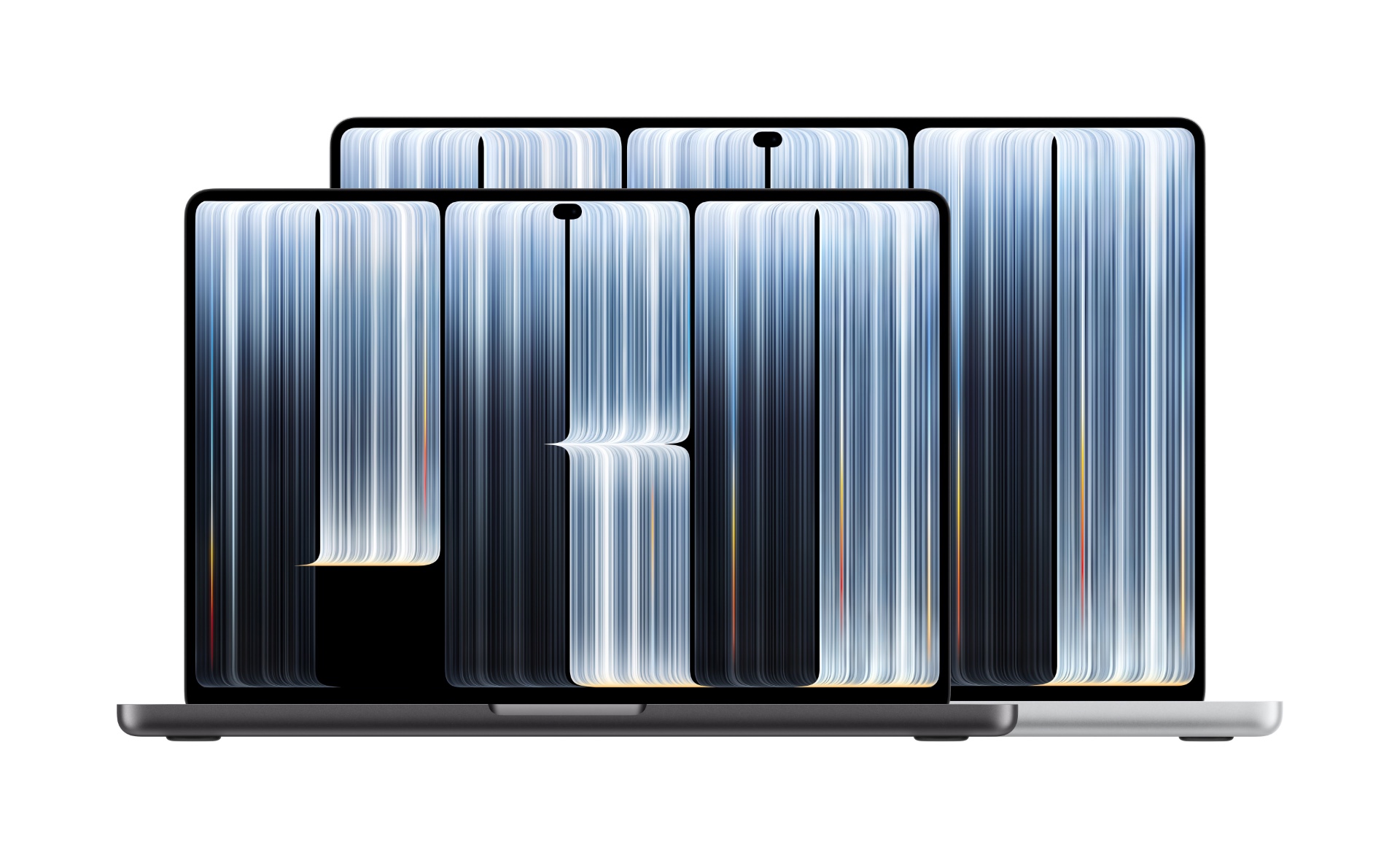
CUPERTINO & NEW YORK — In a strategic pivot that upends a decade of corporate orthodoxy, Apple Inc. has formally announced the long-rumored, highly anticipated touchscreen MacBook Pro powered by next-generation OLED display technology. The announcement shatters the late Steve Jobs’s foundational decree that vertical touchscreens on personal computers are ergonomically flawed. By bridging the chasm between iOS ergonomics and macOS power-user workflows, Apple is executing one of the most significant architectural and commercial gambits in the history of personal computing.
For institutional investors, corporate IT directors, and enterprise procurement officers, the timing and execution of this release signal a profound recalibration of Apple’s hardware roadmap. With pre-orders live immediately and physical shipments slated to hit distribution hubs globally on November 6, the market is bracing for an immediate ripple effect across balance sheets, competitor product pipelines, and enterprise IT expenditure forecasts.
The Catalyst: Overcoming Hardware Inertia and Supply Chain Hurdles
Test Our Free AI & Tech Utilities Suite
Calculate LLM API token costs, analyze article dwell-time, or simulate tech DCA returns.
For years, Cupertino’s executive leadership resisted consumer demand for touchscreen laptops, publicly citing wrist fatigue and the superiority of trackpad navigation. However, behind closed doors, Apple’s advanced research and development divisions have spent the last five years solving the complex engineering hurdles associated with high-durability glass, precise touch calibration under macOS, and power-efficient display topologies.
The catalyst for this release is rooted in a convergence of mature display technology and shifting enterprise user expectations. The introduction of tandem OLED architecture—initially pioneered in high-end iPad Pro models—has finally reached a yield and cost threshold that makes mass-producing 14-inch and 16-inch laptop panels commercially viable. These displays deliver unprecedented peak brightness, infinite contrast ratios, and drastically reduced power consumption, mitigating historical concerns regarding battery drain when driving touch-interactive layers.
Furthermore, enterprise ROI calculations are shifting. As modern workflows increasingly demand fluid transitions between tactile mobile applications and heavy computational desktop tasks—such as real-time financial modeling, cloud compute architecture management, and high-resolution video production—professionals have gravitated toward hybrid devices. Microsoft and Windows OEMs captured significant enterprise market share by offering touch-enabled form factors. Apple’s entry into this arena effectively neutralizes that competitive advantage, forcing enterprise IT architects to re-evaluate infrastructure scalability and hardware standardization.
Deconstructing the Engineering: Performance Meets Tactile Interaction

Under the hood, the new MacBook Pro is anchored by the next iteration of Apple’s proprietary silicon, designed to handle the localized interrupt processing required for ultra-low-latency touch inputs without compromising thermal envelopes or battery longevity. The integration of touch capabilities required a ground-up redesign of macOS window management and UI scaling, ensuring that precision vector manipulation and tiny command-line interfaces remain effortlessly usable via finger or stylus input.
The OLED panel itself represents a masterclass in materials science. By utilizing dual-stack emission layers, Apple has circumvented the traditional burn-in and longevity bottlenecks that plagued early OLED laptop implementations. This ensures that enterprise deployment models—often locked into three-to-five-year depreciation cycles—maintain visual fidelity and structural integrity under rigorous daily office use.
Verified Data & Specifications Breakdown
| Metric / Specification | Previous Generation (Mini-LED) | New OLED Touch MacBook Pro | Enterprise Impact & Significance |
|---|---|---|---|
| Display Technology | Mini-LED (Liquid Retina XDR) | Tandem OLED with Multi-Touch | Infinite contrast, deeper blacks, direct touch manipulation. |
| Pre-Order Timeline | N/A (Historical Launch) | Immediate (Live Today) | Immediate capital allocation for Q4 enterprise budgets. |
| Official Delivery Date | Variable | November 6 | Secures peak holiday inventory and year-end tax write-offs. |
| Input Paradigm | Trackpad, Keyboard, External Mouse | Multi-Touch Glass + Force Touch Trackpad | Bridges iOS/iPadOS app ecosystem natively onto macOS. |
Industry & Market Implications: Winners, Losers, and Macroeconomic Ripples
The financial ramifications of Apple’s touchscreen entry extend far beyond Cupertino’s balance sheet. Valuation multiples for key component suppliers—particularly display manufacturers specializing in OLED substrates and touch-sensor glass—are expected to experience heightened volatility and upward revisions as order volumes materialize.
Who Wins:
- Enterprise Software Developers: Creators of creative suites, financial modeling platforms, and data visualization tools can now port iPadOS applications to macOS with native touch support, lowering development overhead.
- High-End Display Suppliers: Firms controlling advanced OLED manufacturing lines will secure lucrative long-term supply agreements, boosting quarterly earnings per share (EPS).
- Prosumers and Creative Professionals: Users gain a unified workstation device that eliminates the need to carry secondary tablet displays for touch-based editing.
Who Loses:
- Windows OEM Competitors: Companies like Dell, HP, and Lenovo have long relied on touchscreens as a primary differentiator in the premium enterprise laptop market. That moat has officially evaporated.
- Legacy Peripheral Makers: Third-party external drawing tablet and standalone touch-monitor manufacturers face immediate market contraction as core functionality is absorbed directly into the primary display.
From a macroeconomic perspective, this launch acts as a bellwether for consumer and corporate liquidity. By opening pre-orders immediately and positioning deliveries for November 6, Apple is strategically capturing deferred corporate hardware budgets ahead of the fiscal year-end, providing a robust cushion for its upcoming quarterly earnings report.
Frequently Asked Questions (People Also Ask)
When will the new touchscreen OLED MacBook Pro be delivered?
Official retail deliveries and enterprise fulfillment are scheduled to begin globally on November 6. Pre-orders are currently active across Apple’s enterprise and consumer portals.
Does the addition of a touchscreen compromise battery life or display durability?
According to Apple’s engineering disclosures, the adoption of tandem OLED architecture actually improves power efficiency compared to previous Mini-LED iterations. The touch layer is chemically bonded beneath high-durability glass treated with anti-reflective coatings, engineered specifically to resist degradation over multi-year corporate depreciation cycles.
Will legacy macOS applications require updates to support touch input?
Standard cursor and trackpad operations remain fully functional without modification. However, developers seeking to implement direct multi-touch gestures, zooming, and specialized touch controls within their applications will need to utilize updated APIs provided in the latest software development kits.
How does this release impact enterprise capital allocation and security compliance?
The new MacBook Pro seamlessly integrates with existing Mobile Device Management (MDM) frameworks and Apple’s corporate security protocols. For Chief Information Security Officers (CISOs), the device introduces no new compliance vulnerabilities while offering a streamlined hardware footprint that simplifies procurement logistics.
Future Outlook: Milestones and Strategic Horizon
As the market digests this paradigm shift, institutional analysts will closely monitor the initial shipment velocity and enterprise adoption rates leading into the November 6 delivery window. Key metrics to watch include supply chain yield reports for tandem OLED panels, enterprise contract renewal rates, and the speed at which independent software vendors (ISVs) optimize their applications for touch-enabled macOS.
Apple has crossed a Rubicon. By reconciling its desktop operating system with touch interactivity, the company has not only neutralized a longstanding competitive disadvantage but has also redefined the baseline expectation for professional computing hardware. For financial markets and technology strategists alike, the era of the static laptop screen has officially drawn to a close.