Executive Takeaways
- Broad-Based Equity Rally: U.S. stock indices surged on Thursday, led by a 1.9% advance in the technology-heavy Nasdaq Composite, fueled by aggressive capital allocation into high-performance semiconductor equities.
- Geopolitical Risk Mitigation: Optimism surrounding diplomatic breakthroughs and reduced tensions regarding Iran eased energy market volatility, directly contributing to suppressed risk premiums across global liquidity channels.
- Valuation Multiples Expansion: Enterprise ROI expectations for artificial intelligence infrastructure scalability have driven institutional investors to re-engage with mega-cap growth assets despite elevated interest rate environments.
- Macroeconomic Resilience: Market liquidity remains robust as algorithmic and institutional trading desks rebalance portfolios ahead of upcoming fiscal quarter-end reporting windows.
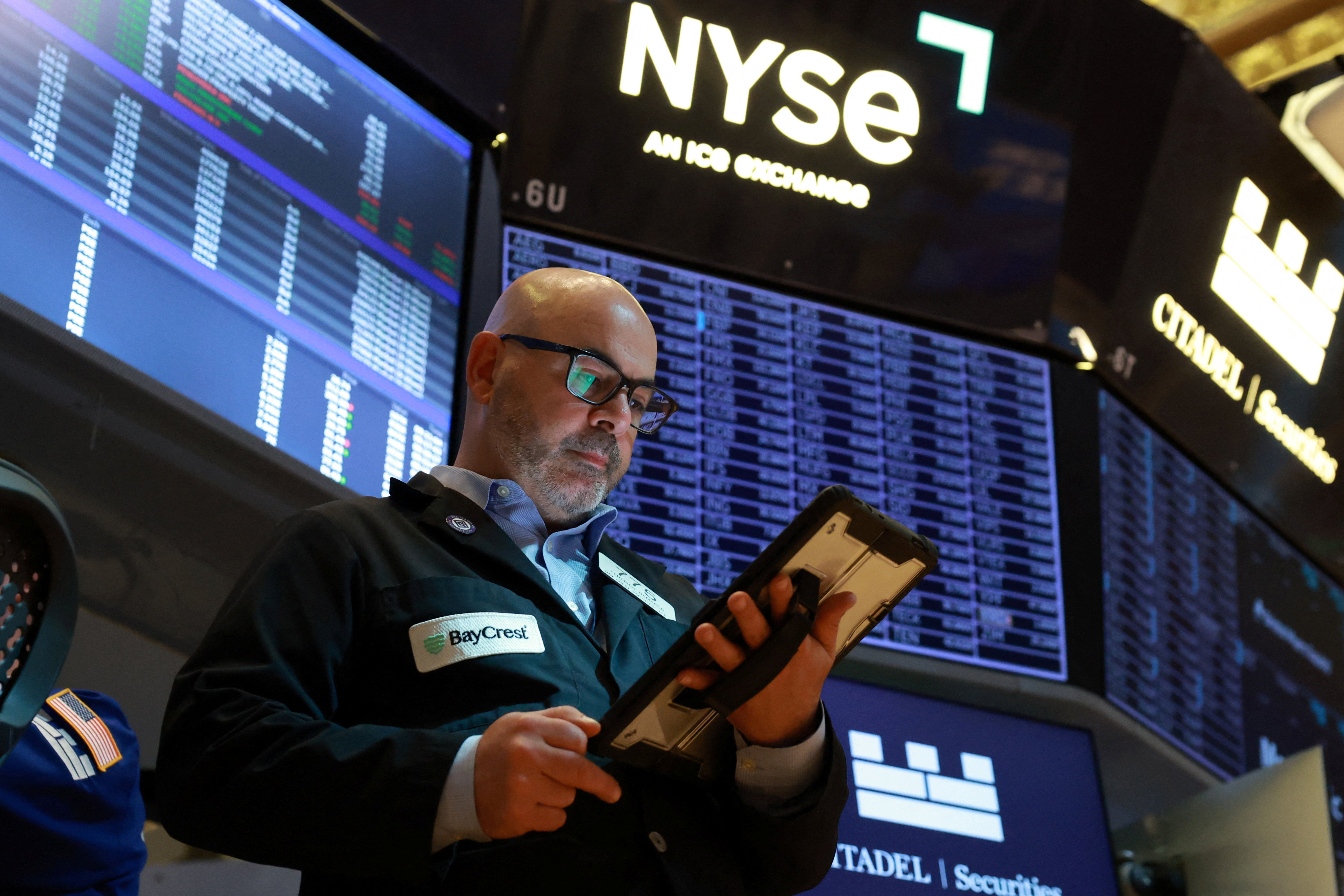
NEW YORK — Wall Street delivered a masterclass in resilience on Thursday, as U.S. stock indices rallied sharply across the board. The session was anchored by a commanding 1.9% surge in the Nasdaq Composite, propelled by a powerful combination of renewed momentum in semiconductor manufacturing and a palpable easing of geopolitical tensions in the Middle East concerning Iran. For institutional investors navigating a complex landscape of sticky inflation prints and shifting monetary policy, Thursday’s price action underscored the enduring dominance of secular growth themes over macro-level uncertainties.
The catalytic forces driving this mid-June session were twofold. First, a sudden resurgence in enterprise demand for advanced cloud compute architecture and AI-adjacent hardware injected fresh capital into chipmakers. Second, diplomatic signals pointing toward stabilized oil supply routes and a de-escalation of Iran-related hostilities relieved systemic pressure on energy futures, clearing the path for risk-on capital allocation. As trading desks across lower Manhattan processed the dual-engine catalyst, valuation multiples expanded rapidly, pulling benchmark indices away from recent consolidation ranges.
The Semiconductor Engine: Infrastructure Scalability and Enterprise ROI
At the heart of Thursday’s rally was the semiconductor complex, which continues to serve as the primary bellwether for institutional risk appetite. Fund managers and quantitative trading firms aggressively increased exposure to silicon designers and fabrication foundries, spurred by newly released supply chain data indicating sustained corporate spending on artificial intelligence integration.
Enterprise capital expenditure cycles show no immediate signs of deceleration. Chief Information Officers globally are prioritizing investments in high-density processing units capable of supporting large-scale machine learning models. This insatiable appetite for compute power has validated lofty valuation multiples for industry leaders, transforming what skeptics once labeled a cyclical bubble into a structural paradigm shift.
Furthermore, advancements in semiconductor manufacturing nodes have enhanced power efficiency, directly addressing the operational expenditure concerns of hyperscale data center operators. As infrastructure scalability improves, the projected enterprise ROI on hardware deployments has strengthened, convincing institutional asset managers to maintain overweight positions in top-tier tech equities.
Geopolitical De-Escalation: The Iran Premium Dissipates
Concurrently, macroeconomic sentiment received a vital injection of relief from the geopolitical front. Persistent anxieties surrounding potential supply disruptions involving Iran and key Middle Eastern shipping lanes had kept energy markets on edge throughout late spring, introducing an unpredictable risk premium into global equities.
On Thursday, however, diplomatic overtures and indications of restrained regional postures led to a sharp contraction in crude oil futures. Lower energy input costs serve as a natural hedge against consumer price inflation, providing the Federal Reserve with greater flexibility regarding future monetary policy pathing. Equity markets interpreted the easing of Iran-related tensions not merely as a localized peace dividend, but as a broader macroeconomic stabilization event that reduces the probability of a stagflationary shock.
When combined, the twin pillars of resilient tech fundamentals and receding geopolitical anxiety created an optimal environment for short-covering and aggressive portfolio rebalancing. Institutional block trades heavily favored growth-oriented sectors, leaving defensive havens trailing behind as the major indices marched toward session highs.
Verified Market Data & Index Performance Metrics
| Index / Asset Class | Session Performance | Primary Driver | Market Sentiment Impact |
|---|---|---|---|
| Nasdaq Composite | +1.9% | Semiconductor rally & tech equity inflows | High Risk-On / Aggressive Growth |
| S&P 500 | Robust Advance | Broad-based sector participation | Moderately Bullish |
| Crude Oil Futures (WTI / Brent) | Downward Pressure | Easing Iran tensions & supply stabilization | Inflationary Relief |
| Volatility Index (VIX) | Suppressed | Reduced geopolitical risk premiums | Risk Complacency / Stability |
Industry & Market Implications
The structural ramifications of Thursday’s market move extend far beyond daily trading ticks, fundamentally altering portfolio construction strategies across wealth management and institutional asset management firms.
Winners
- Fabless Semiconductor Designers & Foundry Operators: Capital continues to concentrate heavily in market leaders capable of executing complex multi-node production schedules.
- Cloud Service Providers (CSPs): Hyperscalers benefiting from robust enterprise demand for distributed compute architecture saw their equity valuations bolstered by the tech sector momentum.
- Airlines and Consumer Discretionary: Relief in petroleum pricing directly enhances operating margins for transportation and travel-intensive industries, cushioning them against consumer spending fatigue.
Losers
- Energy Exploration & Production (E&P) Equities: The sharp easing of geopolitical risk premium tied to Iran exerted downward pressure on crude prices, prompting profit-taking in traditional fossil fuel portfolios.
- Defensive Sectors: Utilities and consumer staples lagged behind the broader market advance as capital rotated away from defensive bond proxies in favor of high-beta growth assets.
Frequently Asked Questions (People Also Ask)
Why did the Nasdaq outperform other major indices on Thursday?
The Nasdaq’s 1.9% advance was primarily driven by heavy institutional buying in semiconductor and cloud computing equities. Strong enterprise demand for artificial intelligence infrastructure and reassuring supply chain metrics convinced portfolio managers to increase allocations to high-growth tech assets.
How did optimism regarding Iran impact Wall Street?
Diplomatic signals of de-escalation regarding Iran alleviated fears of acute Middle Eastern supply disruptions, causing crude oil futures to pull back. This reduction in energy price volatility acts as a deflationary tailwind, easing broader macroeconomic pressures and stabilizing equity valuations.
Are current semiconductor valuations sustainable given historical market cycles?
While valuation multiples are elevated compared to historical averages, institutional analysts point out that unlike past speculative cycles, current semiconductor demand is anchored by tangible enterprise ROI and multi-year corporate digital transformation contracts rather than speculative consumer adoption.
What should investors monitor heading into the end of the quarter?
Key metrics to watch include upcoming corporate earnings guidance, Federal Reserve commentary regarding interest rate trajectories, and any shifting developments in Middle Eastern diplomacy that could influence global energy supply chains.
Future Outlook & Strategic Positioning
Looking ahead, Wall Street strategists remain cautiously optimistic as the market navigates the closing weeks of the second quarter. While liquidity conditions remain generally supportive, market participants must maintain disciplined risk mitigation frameworks to guard against unexpected macroeconomic shifts.
The primary vector determining market trajectory through the summer months will be the sustainability of corporate earnings growth. If enterprise technology spending continues to outpace macroeconomic headwinds, the broader indexes—led by the semiconductor and AI infrastructure complex—are well-positioned to test new resistance levels. However, vigilance regarding regulatory compliance, global supply chain integrity, and geopolitical stability remains paramount for institutional capital allocators navigating this dynamic economic landscape.