The OpenAI Hedge: Inside Satya Nadella’s Urgent, Multi-Billion Dollar Restructuring of Microsoft’s AI Empire
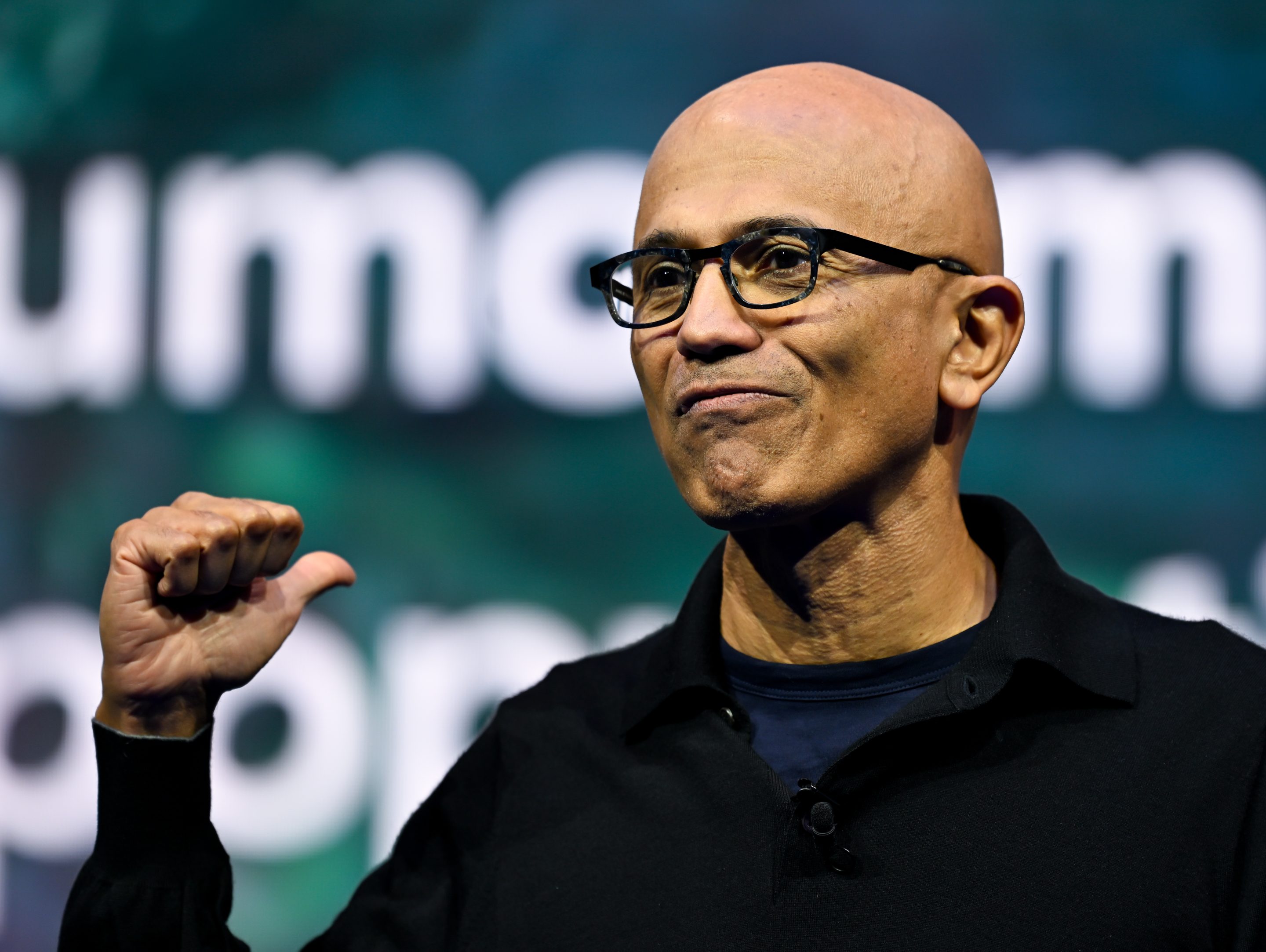
REDMOND, Wash. — For the past three years, Microsoft Corp. Chief Executive Officer Satya Nadella has been celebrated as the undisputed kingmaker of the generative artificial intelligence era. By anchoring Microsoft’s future to a $13 billion partnership with OpenAI and plastering the "Copilot" brand across every corner of Windows, Office, and Azure, Nadella engineered one of the most aggressive corporate land grabs in tech history.
But behind the scenes, the calculus is rapidly changing. As of March 18, 2026, the era of uncritical dependency on San Francisco-based OpenAI is drawing to a close. Confronted by skyrocketing capital expenditures, volatile governance at its primary AI partner, and a Wall Street increasingly demanding clear paths to profitability, Nadella is quietly but decisively reshuffling Microsoft’s AI deck.
According to internal sources and recent strategic shifts first highlighted by industry analysts, Microsoft is executing a major pivot. The tech giant is diversifying its model portfolio, aggressively building out its in-house consumer and enterprise AI divisions under recently consolidated leadership, and shifting its engineering focus from massive, resource-heavy LLMs (Large Language Models) to highly efficient, proprietary SLMs (Small Language Models).
Why the 'OpenAI Exclusive' Era is Over
The initial alliance with OpenAI gave Microsoft a massive head start, but it came with structural vulnerabilities. Every query routed through OpenAI’s proprietary models costs Microsoft money in raw compute and API fees, squeezing the margins of its core Copilot offerings. Furthermore, the chaotic boardroom coup at OpenAI in late 2023 exposed the danger of relying on a single, non-profit-governed entity for Microsoft's core technological future.
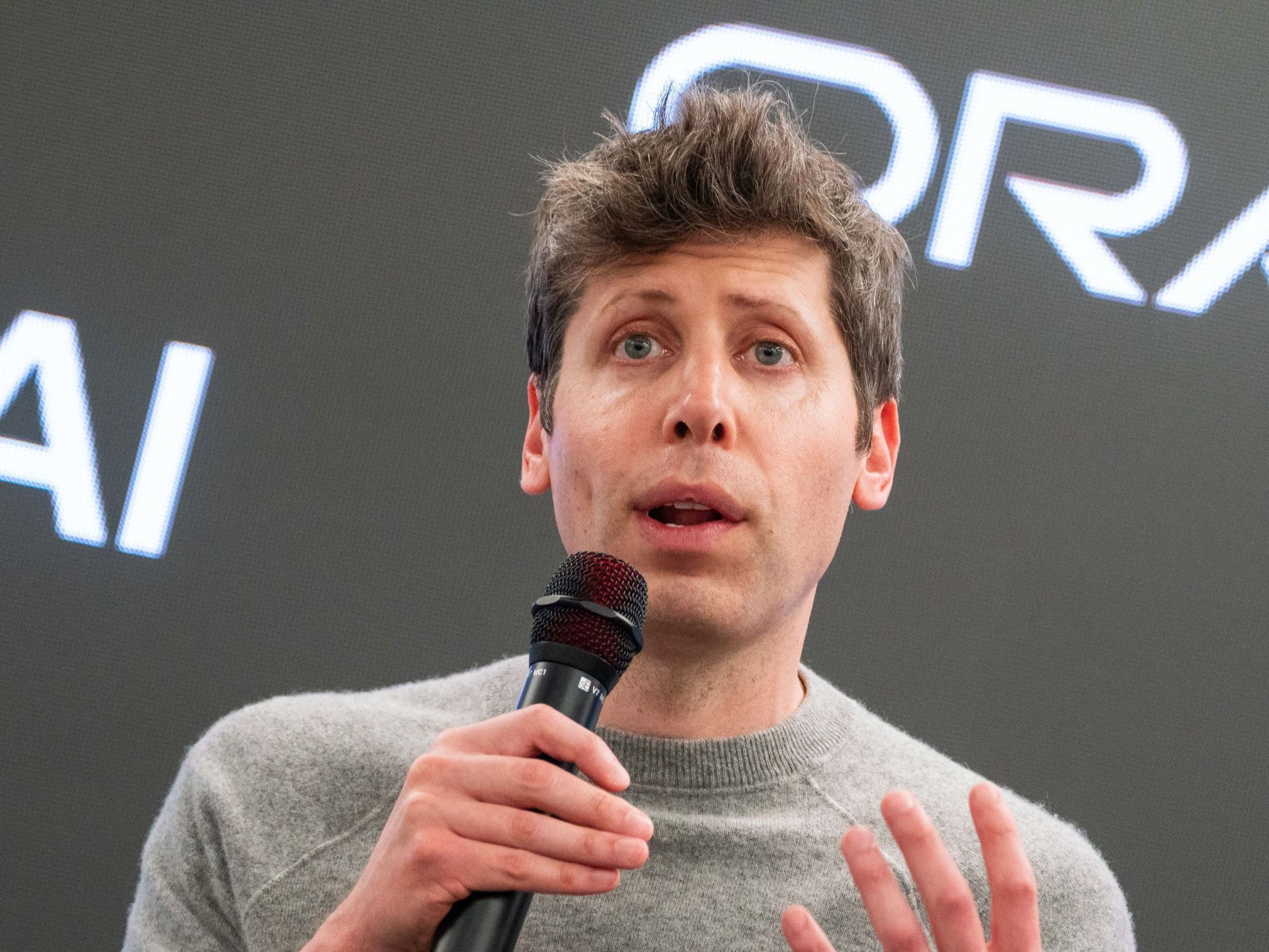
To mitigate this risk, Nadella has spent the last year orchestrating a structural counterweight. By poaching key talent—including DeepMind co-founder Mustafa Suleyman to lead the newly minted "Microsoft AI" consumer division—Redmond has built an internal powerhouse capable of shipping state-of-the-art models without Sam Altman’s sign-off.
"Satya Nadella is a master of risk management," says a senior Silicon Valley venture capitalist familiar with Microsoft’s strategy. "The first phase was about speed to market. Phase two is about margin protection, sovereign control, and IP ownership. Microsoft cannot let its entire enterprise software monopoly depend on a third-party startup's API."
The Three Pillars of Microsoft’s AI Reshuffle
This restructuring is not merely organizational; it represents a fundamental change in how Microsoft develops, deploys, and monetizes artificial intelligence. Executive briefings point to three primary pillars of this strategic pivot:
- The Rise of In-House "Phi" Models: Microsoft is rapidly shifting enterprise workloads to its proprietary "Phi" family of small language models. These models run at a fraction of the cost of OpenAI’s GPT-4, allowing Microsoft to offer high-margin, specialized enterprise AI agents that do not require massive cloud data center overhead.
- Model Diversification on Azure: To prevent developer lock-in, Azure has quietly become a premier distributor of open-source models, including Meta’s Llama series and Mistral AI’s suite. By offering alternatives, Microsoft ensures that even if enterprise clients abandon OpenAI, they remain paying customers of Azure's cloud infrastructure.
- The Consumer Copilot Pivot: Under Mustafa Suleyman, Microsoft’s consumer Copilot is being redesigned from a rigid search companion into an emotionally intelligent, proactive assistant, utilizing hybrid model architectures that blend local, on-device processing with cloud compute.
The Economic Reality: Capital Expenditures vs. ROI
The primary driver behind Nadella’s reshuffle is the brutal arithmetic of AI infrastructure. Over the past three fiscal years, Microsoft’s capital expenditures have reached unprecedented heights as the company races to build out global data centers packed with expensive Nvidia GPUs.
Wall Street’s patience is no longer infinite. Analysts are shifting their focus from "AI hype" to "AI unit economics." To justify a trillion-dollar valuation lift, Microsoft must prove that Copilot can generate high-margin software revenues rather than just massive energy and compute bills.
| Metric / Fiscal Year | FY 2023 (Actual) | FY 2024 (Actual) | FY 2025 (Estimated) | FY 2026 (Projected) |
|---|---|---|---|---|
| Capital Expenditures (CapEx) | $31.9 Billion | $55.7 Billion | $63.0 Billion | $69.5 Billion |
| Azure AI Revenue Contribution | ~ $1.5 Billion | ~ $5.0 Billion | ~ $11.5 Billion | ~ $18.0 Billion |
| Average Cost per AI Query (Indexed) | 100 (Baseline) | 65 (Optimization) | 40 (SLM Shift) | 22 (Hybrid/On-Device) |
As illustrated above, while Azure's AI-driven revenues continue to grow at a blistering pace, the capital expenditure required to support that growth has more than doubled. Shifting queries to cheaper, proprietary, or on-device models is the only way Microsoft can prevent its operating margins from deteriorating over the long term.
What Lies Ahead: A Sophisticated Frenemy Dynamic
This reshuffle does not mean Microsoft is divorcing OpenAI. The two giants remain deeply co-dependent. OpenAI relies entirely on Microsoft’s massive supercomputing clusters, while Microsoft still benefits from being the exclusive cloud provider for the world's most famous generative AI brand.
However, the relationship has evolved from an exclusive romance into a sophisticated, highly competitive "coopetition." By building out Microsoft AI, acquiring top-tier talent, and developing highly efficient in-house models, Satya Nadella has successfully hedged Microsoft’s multi-billion-dollar bet. If OpenAI continues to lead the frontier of Artificial General Intelligence (AGI), Microsoft wins. If OpenAI stumbles, fractures, or becomes economically unviable, Microsoft’s internal engine is now fully equipped to take the lead.
Frequently Asked Questions
Is Microsoft phasing out its partnership with OpenAI?
No. Microsoft remains OpenAI’s exclusive cloud provider and a major financial stakeholder. However, Microsoft is actively reducing its sole dependency on OpenAI by expanding its own in-house AI capabilities, developing proprietary small language models (like Phi), and offering competitive open-source models on the Azure platform to optimize costs and mitigate strategic risks.
How does this reshuffle affect existing Microsoft Copilot users?
Enterprise and consumer users will likely experience faster response times, more specialized functionalities, and better offline capabilities. By shifting less complex tasks to smaller, highly optimized models (and using OpenAI's heavyweight models only for highly complex reasoning), Microsoft aims to make Copilot faster, more secure, and cheaper to operate without compromising performance.