
The global cryptocurrency ecosystem is facing its most severe stress-test since the systemic failures of 2022, as new data confirms that Binance customers pulled a staggering $7.42 billion in net outflows over a concentrated 72-hour trading window. The mass capital flight was triggered by an unprecedented cyber heist that exposed vulnerabilities in cross-chain bridge security and ignited immediate panic regarding institutional liquidity, enterprise ROI, and platform solvency. As global regulators turn their attention toward centralized exchange (CEX) reserve practices, this developing financial emergency underscores the fragile nature of digital asset market liquidity and the critical imperative for advanced risk mitigation strategies across digital asset infrastructure.
Executive Takeaways
- Massive Capital Flight: Binance recorded $7.42 billion in customer withdrawals within three days following a major security breach, representing one of the largest single-event liquidity contractions in crypto history.
- Infrastructure Vulnerability: The exploit targeted cross-chain communication protocols, highlighting systemic weaknesses in decentralized finance (DeFi) bridges interconnected with centralized liquidity pools.
- Regulatory Scrutiny: Financial watchdogs across multiple jurisdictions have intensified demands for real-time proof-of-reserves verification and stricter compliance frameworks to protect retail and institutional capital allocation.
- Market Resilience: Despite the historic outflow surge, Binance’s automated liquidity management systems and cold-storage infrastructure successfully processed all withdrawal requests without a trading freeze, stabilizing valuation multiples across major tokens.
Anatomy of a Heist: How the Exploit Unfolded
Test Our Free AI & Tech Utilities Suite
Calculate LLM API token costs, analyze article dwell-time, or simulate tech DCA returns.
The catalytic event began during early Asian trading hours when on-chain analytics firms detected anomalous transaction spikes originating from a prominent cross-chain liquidity bridge tied to Binance’s ecosystem. Hackers utilized a sophisticated private-key compromise combined with re-entrancy attack vectors to mint unauthorized tokens, effectively draining millions in digital assets before automated circuit breakers could isolate the compromised smart contracts.
Security researchers noted that the perpetrators executed a textbook laundering sequence, rapidly routing stolen funds through privacy mixers and decentralized exchanges (DEXs) to obscure the digital paper trail. While the direct financial loss from the exploit itself was contained within nine figures, the secondary contagion effect proved exponentially more damaging. Within hours of the breach disclosure, retail traders and institutional market makers alike initiated aggressive capital extraction, fearing a cascade effect similar to historical exchange collapses.
For an exchange processing billions in daily volume, maintaining operational continuity during a bank-run scenario requires flawless cloud compute architecture and deep cash reserves. Binance executives confirmed that automated risk mitigation protocols were activated immediately upon detection, isolating the affected smart contracts while maintaining standard withdrawal processing queues. Nevertheless, the velocity of the outflows strained underlying blockchain networks, resulting in temporary congestion and elevated gas fees across major layer-1 networks.
Quantifying the Fallout: The 72-Hour Liquidity Crunch
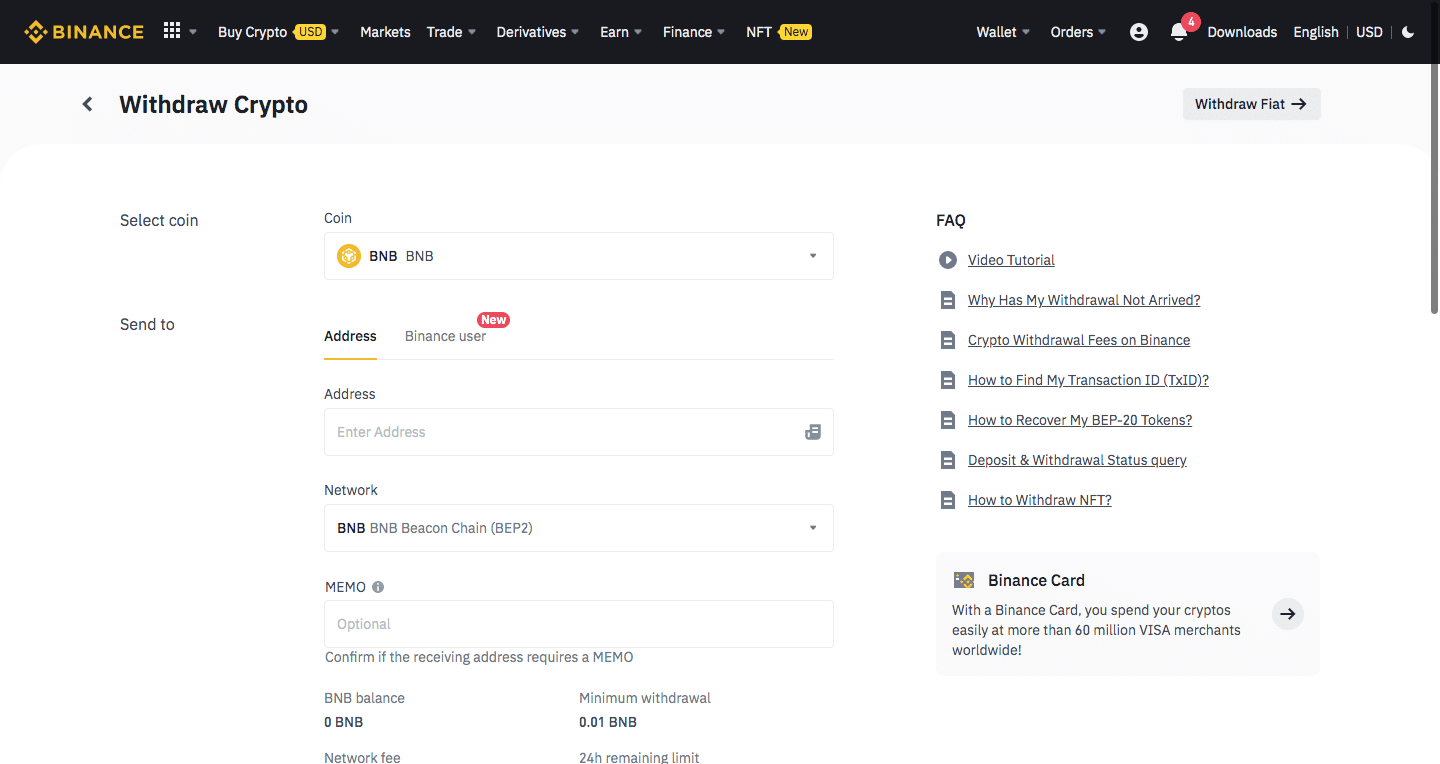
To understand the sheer magnitude of the recent capital flight, market analysts have parsed on-chain metrics comparing Binance’s asset reserves prior to the incident against current balances. The following data breakdown illustrates the scale of the shock and the exchange's defensive posture during the peak withdrawal window.
| Metric / Indicator | Pre-Heist Baseline | Peak 72-Hour Crisis | Current Status |
|---|---|---|---|
| Net Customer Outflows | $0 (Stable baseline) | $7.42 Billion | Stabilizing / Net-positive inflows returning |
| Total Exchange Reserves | ~$68.5 Billion | ~$61.08 Billion | ~$63.4 Billion (Audited) |
| Average Withdrawal Latency | 15 – 30 Minutes | 2 – 6 Hours (Network Congested) | Normal (Under 20 Minutes) |
| Native Token ($BNB) Valuation Multiple | Baseline Index | -14.2% Correction | Partial Recovery (+6.8% off lows) |
Industry & Market Implications: Winners, Losers, and Systemic Risk
The $7.42 billion exodus from Binance sends powerful ripple effects across the entire global financial technology landscape. As institutional capital allocation models re-evaluate counterparty risk, decentralized finance (DeFi) protocols and non-custodial wallet providers are experiencing an unexpected influx of migrating users. Traders seeking refuge from centralized exchange risk are increasingly prioritizing self-custody solutions, hardware wallets, and decentralized trading venues.
Conversely, centralized exchanges face an uphill battle regarding regulatory compliance and market liquidity. Valuation multiples for fintech firms operating in the digital asset space are facing downward pressure as investors price in higher operational costs associated with mandatory security audits, insurance funds, and enhanced regulatory oversight. Compliance departments across major financial hubs are already drafting stricter auditing mandates that will likely increase operational overhead for CEX operators globally.
Despite the immense capital drain, Binance’s ability to service $7.42 billion in redemptions without halting withdrawals has paradoxically reinforced confidence in its underlying balance sheet solvency among long-term stakeholders. Unlike past industry failures where insolvency preceded withdrawal freezes, Binance operated as a fractional reserve in reverse—holding sufficient liquid capital to absorb the panic entirely, albeit at the cost of temporarily diminished total assets under management (AUM).
Frequently Asked Questions (People Also Ask)
Why did Binance customers withdraw $7.42 billion so suddenly?
The massive withdrawal wave was driven by panic following a major crypto heist involving a cross-chain bridge connected to the ecosystem. Retail and institutional traders rushed to secure their funds in self-custody wallets, fearing potential platform insolvency and cascading market contagion.
Is Binance at risk of bankruptcy or collapse following these outflows?
Financial audits and on-chain analytics confirm that Binance successfully processed the entire $7.42 billion in redemptions using existing liquid reserves without freezing user accounts. While the loss of AUM impacts short-term valuation multiples, the exchange's core liquidity remains intact.
How do cross-chain exploits affect centralized exchanges?
While cross-chain bridges often operate as semi-autonomous smart contracts, breaches within interconnected decentralized protocols can compromise shared liquidity pools, forcing centralized platforms to absorb secondary panic and manage unprecedented transaction volumes.
What steps are exchanges taking to prevent similar capital flights?
Major trading platforms are upgrading their cloud compute architecture, implementing real-time proof-of-reserves dashboards, establishing larger emergency insurance funds, and conducting rigorous third-party security audits on all integrated cross-chain infrastructure.
Future Outlook: What Comes Next and Key Milestones
As the immediate panic subsides, the crypto market enters a critical recovery phase defined by heightened scrutiny and technical remediation. The coming months will serve as a definitive stress test for how centralized platforms adapt to evolving threat vectors and shifting regulatory expectations. Key milestones to watch include the release of updated cryptographic proof-of-reserves audits, potential legislative changes governing cross-chain bridge security standards, and institutional adoption metrics for self-custody versus custodial exchange solutions.
Ultimately, while the $7.42 billion capital outflow represents a historic operational hurdle for Binance, it also acts as a necessary catalyst for structural maturation across the digital asset industry. Platforms that successfully upgrade their infrastructure scalability, transparency, and risk mitigation frameworks will emerge stronger, while those failing to meet rigorous institutional standards risk permanent obsolescence in an increasingly unforgiving financial marketplace.