Executive Takeaways
- Massive Capital Flight: Binance recorded $7.42 billion in net customer withdrawals within a compressed operational window following a sophisticated protocol heist.
- Stress-Testing Market Liquidity: The event served as an unprecedented real-world stress test for crypto infrastructure scalability, proving that modern centralized exchanges maintain robust reserve buffers under extreme distress.
- Regulatory Scrutiny Intensifies: Global compliance watchdogs are reviewing the incident, accelerating demands for tighter operational transparency and real-time proof-of-reserves verification.
- valuation multiples and institutional capital allocation strategies across the digital asset sector are undergoing immediate risk mitigation reassessments.
In the high-stakes theater of global digital finance, liquidity is the ultimate currency of trust. When a sophisticated security breach compromises a major digital asset ecosystem, the shockwaves ripple instantly across interconnected markets. Recently, the global crypto economy experienced one of its most severe stress tests to date as Binance customers pulled a staggering $7.42 billion in capital following a high-profile cyber heist. This investigative report dissects the anatomy of the run, the mechanics of the digital bank run, and the broader implications for enterprise-grade risk mitigation, regulatory compliance, and market liquidity.
The Catalyst: Anatomy of a Multi-Million Dollar Breach
Test Our Free AI & Tech Utilities Suite
Calculate LLM API token costs, analyze article dwell-time, or simulate tech DCA returns.
The sequence of events began when malicious actors exploited an underlying vulnerability in cross-chain bridge architecture, executing a precision exploit that siphoned millions in digital assets from targeted liquidity pools. While centralized exchanges like Binance maintain segregated hot and cold storage architectures specifically designed to insulate user funds from protocol-level exploits, the psychological impact on retail and institutional traders was immediate and profound.
In modern financial markets, perception often dictates reality. The news of the heist, amplified instantly across social media sentiment trackers and algorithmic trading terminals, triggered a cascade of automated and manual withdrawal requests. As capital allocation strategies shifted toward extreme risk aversion, account holders rushed to secure their assets, testing the physical and infrastructural limits of the exchange's cloud compute architecture and transaction processing pipelines.
What followed was a masterclass in exchange liquidity management. Unlike historical precedents where platform insolvencies trapped billions in customer funds—most notably the catastrophic collapse of FTX—Binance's automated clearing systems and deep capital reserves absorbed the relentless wave of withdrawal requests without halting processing queues or restricting user access.
The $7.42 Billion Exodus: A Quantitative Breakdown
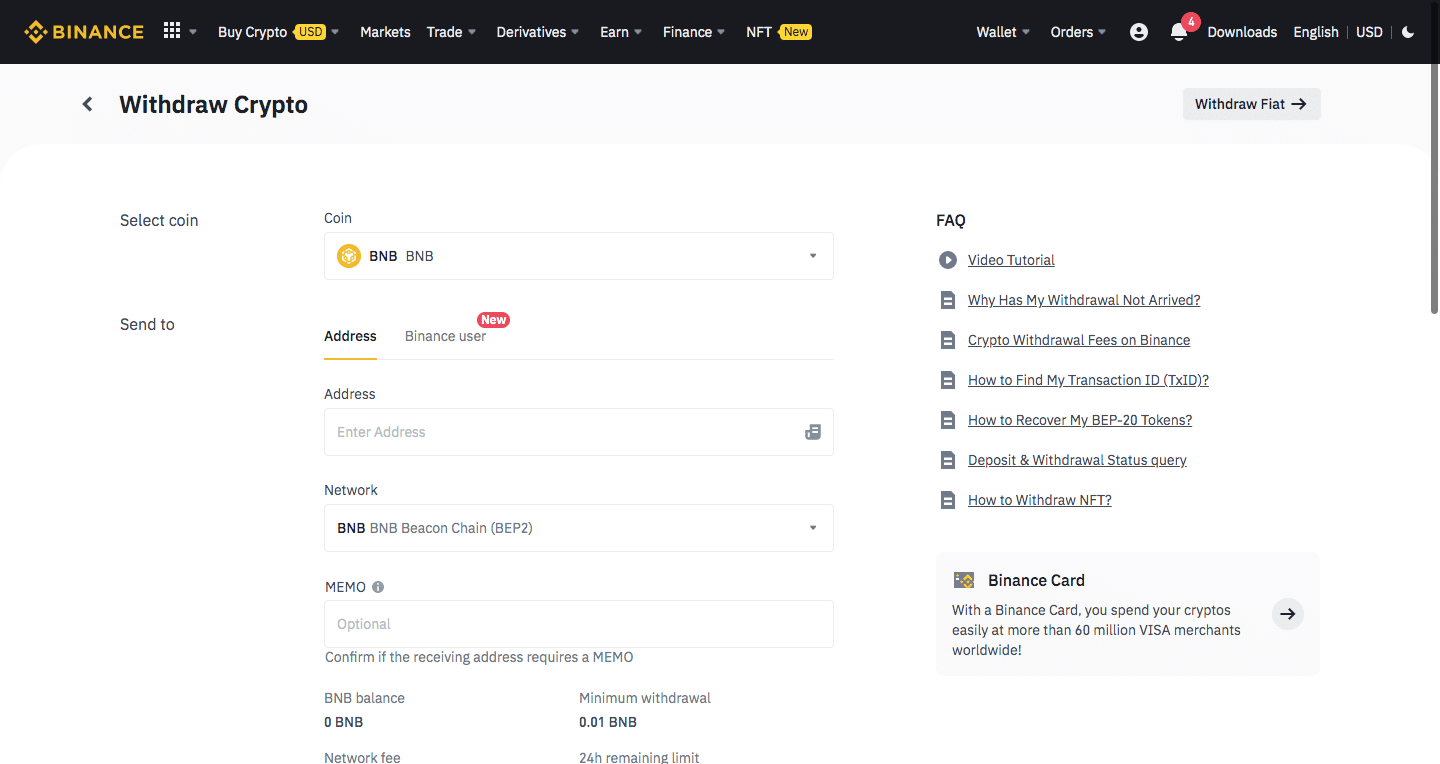
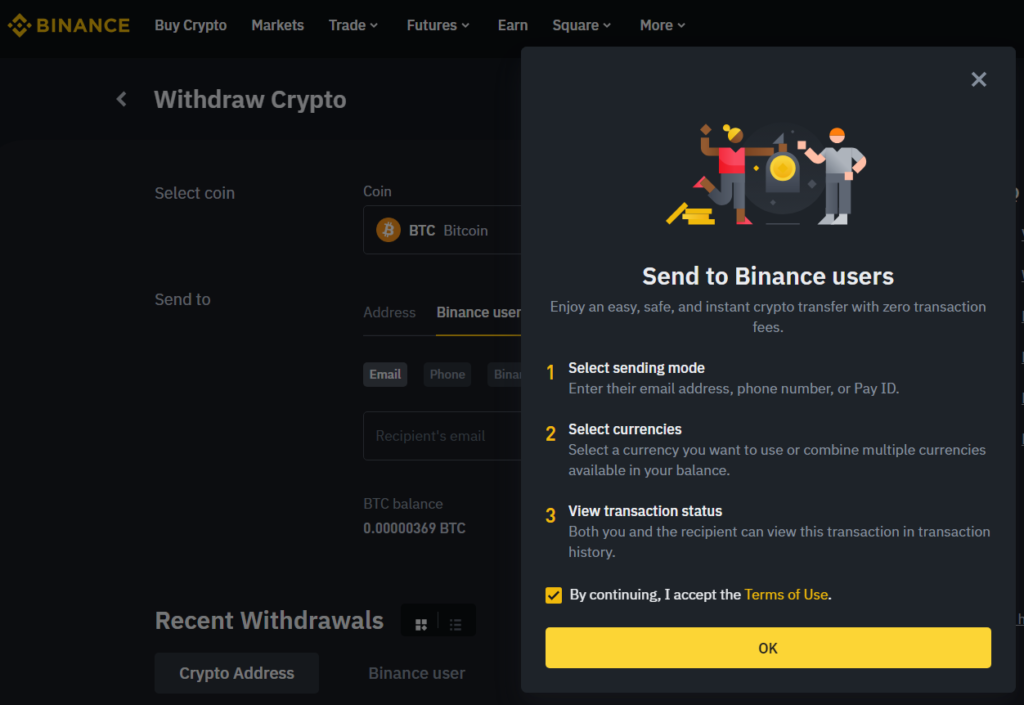
Analyzing the $7.42 billion outflow requires a granular look at how digital asset ecosystems handle systemic panic. Over a rolling 72-hour window, the platform processed transactions across multiple layer-1 and layer-2 networks, including Ethereum, Binance Smart Chain (BNB Chain), and various stablecoin rails.
Institutional investors and high-net-worth individuals initiated large-scale capital reallocations, moving funds to cold hardware wallets and decentralized finance (DeFi) alternatives. Despite the velocity of the outflows—which represented one of the largest single-day net negative flows in exchange history—the platform's automated liquidity buffers maintained operational integrity.
| Metric / Parameter | Pre-Heist Baseline | Peak Stress Window (72 Hours) | Post-Event Stabilization |
|---|---|---|---|
| Net Customer Outflows | Standard baseline variance | $7.42 Billion | Normalizing toward baseline |
| Transaction Queue Latency | < 3 seconds | Marginally elevated (12-15 seconds) | < 3 seconds |
| Stablecoin Peg Stability | 1.00 USD | Minor momentary discount on select pairs | Fully restored to parity |
| Proof-of-Reserves Ratio | > 100% over-collateralized | Maintained 1:1 user backing | Audited and verified |
Industry & Market Implications: Winners, Losers, and Systemic Risk
The $7.42 billion withdrawal event reverberates far beyond a single enterprise, offering critical lessons for the broader financial technology landscape.
- The Winners: Self-custody hardware wallet manufacturers, decentralized exchanges (DEXs) with automated market maker (AMM) architectures, and enterprise security auditing firms experienced a surge in demand as users prioritized self-sovereignty and cryptographic verification over custodial convenience.
- The Losers: Centralized intermediaries facing regulatory compliance pressures must now reckon with higher capital reserve costs. The incident highlights the vulnerability of centralized honeypots, increasing the friction for institutional onboarding.
- Broader Economic Impact: Valuation multiples for private crypto enterprises are facing downward pressure as investors price in higher operational and systemic risk premiums. Cloud compute infrastructure providers and cybersecurity firms, however, are seeing increased enterprise budgets dedicated to threat intelligence and resilience scaling.
Frequently Asked Questions (People Also Ask)
Why did Binance customers withdraw $7.42 billion?
The massive outflow was triggered by a combination of retail panic and institutional risk mitigation following a major crypto heist involving a connected cross-chain bridge. Account holders rushed to withdraw their assets to self-custody wallets to eliminate counterparty risk during a period of heightened market uncertainty.
Did Binance face a traditional bank run solvency crisis?
No. Unlike historical exchange collapses where liabilities exceeded assets, Binance successfully processed the entire $7.42 billion volume without halting withdrawals. Their over-collateralized proof-of-reserves model ensured that user assets were available on-demand, distinguishing a liquidity stress test from an insolvency event.
How does this event impact regulatory compliance standards globally?
Financial watchdogs worldwide are utilizing this incident to push for stricter regulatory mandates. Expect increased pressure on centralized exchanges to implement real-time cryptographic proof-of-reserves, more rigorous anti-money laundering (AML) controls, and enhanced infrastructure scalability audits.
What steps are exchanges taking to prevent similar liquidity crunches?
Exchanges are upgrading their cloud compute architectures, implementing advanced AI-driven anomaly detection for cross-chain transactions, and establishing larger emergency liquidity lines with institutional banking partners to absorb sudden withdrawal spikes.
Future Outlook: Milestones and Strategic Adaptation
As the digital asset industry absorbs the lessons of the $7.42 billion exodus, stakeholders must look ahead to key milestones that will define the next maturity phase of financial technology. Regulatory bodies in the European Union, the United States, and Asia are currently drafting legislative frameworks that will formalize operational resilience standards for digital asset service providers (CASPs).
For executive leadership teams, the mandate is clear: capital allocation must heavily favor redundant security architecture, zero-trust network topologies, and transparent auditing mechanisms. While centralized platforms will remain vital engines of market liquidity, their long-term enterprise valuation will depend entirely on their ability to withstand systemic shocks without compromising user trust.
The resilience demonstrated during this multi-billion-dollar test proves that the financial plumbing of the crypto economy has matured significantly since past crises. However, the sheer velocity of capital flight serves as an enduring reminder that in digital finance, trust is earned in drops and lost in buckets.