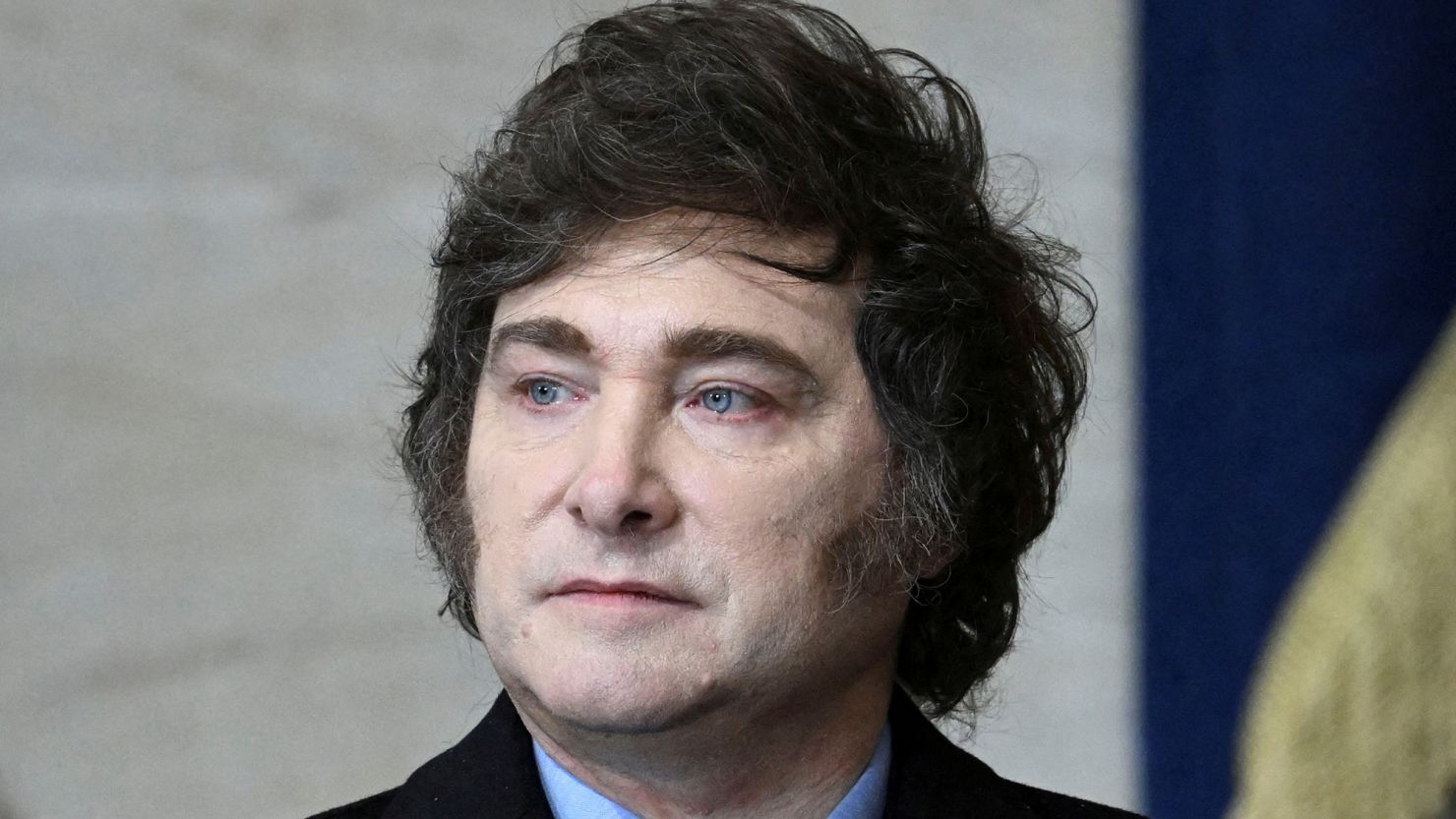
Milei Cleared: Argentina Drops High-Stakes Crypto Fraud Investigation as Markets React to Regulatory Shift

BUENOS AIRES — Federal authorities in Argentina have officially dropped a high-profile preliminary investigation targeting President Javier Milei over his historical promotion of digital assets and controversial cryptocurrency platforms. The abrupt termination of the probe marks a pivotal moment for Latin America's third-largest economy, removing a major political overhang that had threatened to derail the administration's aggressive economic overhaul. The decision, handed down by federal prosecutors following a comprehensive review of capital allocation trails and promotional agreements, brings immediate clarity to foreign investors navigating Argentina’s volatile regulatory landscape.
For months, the inquiry cast a long shadow over the Casa Rosada, complicating executive efforts to attract foreign direct investment (FDI) and secure vital multilateral credit lines. Critics and opposition lawmakers had alleged that Milei’s past social media endorsements of digital currency startups—specifically those promising high-yield returns through algorithmic market-making—constituted reckless promotion of speculative financial instruments. However, investigative filings reveal a lack of actionable evidence linking the libertarian leader to illicit financial enrichment, intentional fraud, or systemic market manipulation.
As institutional capital allocation strategies pivot toward emerging markets with aggressive deregulation agendas, the closure of this case serves as a crucial barometer for risk mitigation in tech-forward political regimes. This exhaustive investigative report unpacks the mechanics of the dropped probe, evaluates the broader implications for enterprise digital asset infrastructure, and analyzes what the ruling means for Argentina's macroeconomic trajectory.
Executive Takeaways
- Investigation Terminated: Federal prosecutors in Buenos Aires officially dropped the preliminary inquiry into President Javier Milei’s historical crypto promotions, citing insufficient evidence of fraudulent intent or financial misconduct.
- Market & Valuation Impact: Sovereign debt instruments and local equities experienced an immediate relief rally, reflecting reduced political friction for the administration's structural reform agenda.
- Regulatory Scrutiny Remains: While the executive branch cleared this legal hurdle, Argentine financial regulators are drafting stringent frameworks for digital asset service providers (VASPs) to ensure institutional compliance and protect retail market liquidity.
- Global Investor Sentiment: Sovereign risk metrics and foreign direct investment projections stabilize as institutional stakeholders gain greater clarity regarding the legal liability of political figures endorsing emerging technologies.
The Anatomy of the Probe: From Social Media Endorsements to Federal Scrutiny
The origins of the investigation trace back to the period preceding Milei’s ascendancy to the presidency, a time when the self-described anarcho-capitalist economist frequently utilized his substantial social media presence to comment on macroeconomic theory, central banking failures, and decentralized finance. During this promotional window, Milei highlighted various digital asset initiatives, including algorithmic platforms designed to aggregate retail capital and yield returns through decentralized liquidity pools.
When several of these startups experienced severe liquidity contractions—leaving retail investors with substantial capital losses—litigants and consumer advocacy groups filed formal complaints. The core legal question centered on whether public figures, particularly economists transitioning into executive governance, bear fiduciary or legal liability when their public statements drive retail participation in high-risk, unverified crypto protocols.
Legal experts specializing in financial crimes note that establishing criminal intent in digital asset promotions requires proving a direct quid pro quo or insider coordination. Throughout the preliminary review, investigators analyzed bank statements, digital wallet transactions, and communication logs. The prosecutorial team ultimately concluded that Milei’s endorsements fell under protected commentary rather than paid fraudulent schemes, terminating the inquiry before it could escalate to a formal grand jury indictment.
The resolution of this probe removes a critical vulnerability that opposition blocs had weaponized to stall legislative votes in the Argentine National Congress. With the executive branch no longer facing direct judicial distraction, administration officials can refocus their political capital on labor reforms, fiscal austerity measures, and the modernization of cloud compute architecture within state-owned enterprises.
Verified Data & Metrics Breakdown
| Metric / Parameter | Pre-Investigation Status | Post-Dismissal Reality | Economic Implications |
|---|---|---|---|
| Sovereign Risk Premium (EMBI+) | Elevated volatility due to legal overhang | Downward compression | Lower cost of capital for corporate debt issuance |
| Regulatory Scrutiny on VASPs | Fragmented and reactive | Institutionalized FATF alignment | Enhanced risk mitigation for foreign exchange inflows |
| Foreign Direct Investment (FDI) | Deferred pending legal clarity | Renewed institutional interest | Accelerated deployment in energy and tech sectors |
| Political Capital for Reforms | Strained by opposition litigation | Consolidated executive mandate | Streamlined passage of fiscal restructuring bills |
Industry & Market Implications: Who Wins, Who Loses
The dropping of the investigation creates clear economic winners and losers across Argentina's financial ecosystem, signaling a broader shift in how Latin American economies manage the intersection of populist politics and digital innovation.
The Winners:
- International Fintech & Crypto Entrants: Global digital asset exchanges and blockchain infrastructure providers gain reassurance that Argentina remains open to innovation, provided they comply with anti-money laundering (AML) and know-your-customer (KYC) mandates.
- The Milei Administration: The executive branch regains narrative control, allowing President Milei to champion deregulation without the distraction of personal legal liabilities. This strengthens his bargaining position with international financial institutions such as the International Monetary Fund (IMF).
- Local Capital Markets: Argentine equities and dollar-denominated bonds received an immediate boost, reflecting lower systemic risk premiums and renewed confidence in economic stabilization policies.
The Losers:
- Opposition Lawmakers: Left-leaning and Peronist opposition blocs lose a primary line of political attack that sought to frame the administration as compromised by speculative digital schemes.
- Aggressive Unregulated Promoters: While the president was cleared, the high-profile nature of the case puts domestic fringe crypto promoters on notice that financial regulators are tightening oversight on deceptive marketing practices.
Frequently Asked Questions (People Also Ask)
Why was the investigation into President Milei dropped?
Federal prosecutors dropped the preliminary inquiry after a comprehensive review found no actionable evidence connecting President Javier Milei to fraudulent intent, financial enrichment, or systemic market manipulation regarding his historical promotions of digital asset platforms. Investigators determined his social media posts constituted protected commentary rather than coordinated financial fraud.
What impact does this decision have on Argentina's economy?
The closure of the case reduces political uncertainty, leading to an immediate relief rally in Argentine sovereign bonds and equities. It lowers the sovereign risk premium (EMBI+), facilitates foreign direct investment, and strengthens the administration's ability to push through structural economic reforms.
Are cryptocurrencies legal in Argentina under Milei's administration?
Yes. President Milei’s government has championed economic freedom and minimal state intervention, creating a receptive environment for digital assets. However, the administration concurrently works to align national regulations with global Financial Action Task Force (FATF) standards to prevent illicit finance while encouraging technological innovation.
Could the investigation be reopened if new evidence emerges?
In Argentine federal procedure, preliminary inquiries can theoretically be revisited if substantial, verifiable evidence of criminal conduct comes to light. However, legal experts emphasize that the thoroughness of the current prosecutorial review makes a reopening highly unlikely barring unprecedented disclosures.
Future Outlook & Key Milestones to Watch
As Argentina moves past this legal hurdle, the macroeconomic focus pivots directly to execution. The administration’s primary objective remains the sustained reduction of domestic inflation, the accumulation of foreign exchange reserves, and the complete dismantling of legacy capital controls.
Institutional investors should monitor several key milestones over the coming quarters:
- FATF Compliance Implementation: The rollout of formal licensing frameworks for Virtual Asset Service Providers (VASPs) to ensure institutional-grade compliance.
- Congressional Midterm Trajectory: Legislative maneuvering as the administration attempts to expand its congressional coalition to pass deeper labor and tax overhauls.
- Surveillance of sovereign credit rating upgrades by major agencies following the successful stabilization of fiscal deficits and foreign debt restructuring.
Ultimately, the dismissal of the crypto fraud probe removes a significant roadblock for Javier Milei’s administration. By clearing this legal hurdle, Argentina signals to global financial markets that its reform-oriented agenda remains intact, paving the way for renewed capital allocation and technological integration.