
The Lithium Dawn: 10 EV Battery Stocks Positioning to Dominate the 2026 Electric Vehicle Supercycle
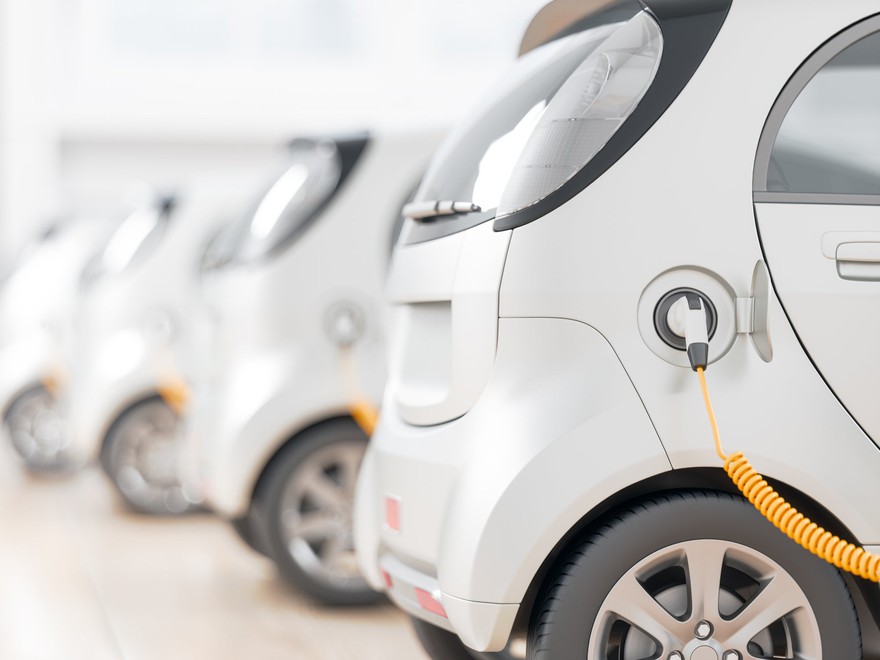
The electric vehicle (EV) industry is undergoing a quiet but monumental shift. While speculative EV startups grab headlines with fluctuating production numbers, seasoned Wall Street investors are looking under the hood. The true battleground for EV dominance is not on the assembly line—it is inside the battery cell. As global automakers scramble to secure raw materials and proprietary cell technologies ahead of a projected 2026 demand inflection point, the battery supply chain has emerged as the most lucrative investment frontier of the decade.
According to analysis from industry watchdogs and major financial institutions, the next 24 months will separate the speculative pretenders from the cash-flow-positive champions. To build a resilient clean-energy portfolio, investors must look beyond traditional vehicle manufacturers and target the chemical companies, battery cell giants, and vertically integrated automakers driving the energy transition.
The 2026 Battery Catalyst: Why the Next 24 Months Matter
Between now and 2026, the EV battery market is transitioning from capacity building to technological execution. The industry is currently bifurcated by two massive technological shifts: the widespread adoption of cheaper Lithium Iron Phosphate (LFP) chemistries and the commercialization of next-generation solid-state batteries. Companies that control these technologies are poised to secure long-term, high-margin supply contracts with legacy automotive giants.
"The road to EV dominance is not paved with software; it is forged in the battery cell," notes a senior commodity strategist at a top-tier investment bank. "By 2026, the cost per kilowatt-hour (kWh) is expected to dip below the critical $100 threshold, making EVs cheaper to manufacture than internal combustion engine vehicles. The companies controlling the supply chain at that moment will command unprecedented pricing power."
The 10 Best EV Battery Stocks for 2026
For investors looking to capitalize on this megatrend, the following ten stocks represent the strongest combinations of market share, technological moat, and balance sheet strength:
- Tesla, Inc. (NASDAQ: TSLA): While primarily known as the world’s largest automaker by market cap, Tesla is a formidable battery powerhouse. Its vertical integration strategy—ranging from direct lithium sourcing agreements to the proprietary manufacturing of its 4680 battery cells—gives it an unparalleled cost advantage.
- BYD Co. Ltd. (OTC: BYDDY): This Chinese titan is both a massive EV automaker and a dominant battery manufacturer. Its proprietary "Blade Battery" technology, praised for its safety and energy density, is currently sold to rival automakers, including Tesla.
- Albemarle Corporation (NYSE: ALB): As the world's largest lithium miner, Albemarle is the ultimate pick-and-shovel play. No batteries can be built without lithium, making Albemarle a direct beneficiary of rising demand, regardless of which battery chemistry wins the market.
- Panasonic Holdings Corp. (OTC: PCRFY): A long-standing partner of Tesla, Panasonic is aggressively expanding its manufacturing footprint in the United States, positioning itself to reap massive subsidies from the Inflation Reduction Act (IRA).
- Contemporary Amperex Technology Co. Ltd. (CATL): Controlling over a third of the global EV battery market, CATL is the undisputed heavyweight. Its massive scale allows it to manufacture LFP batteries at costs Western competitors cannot currently match.
- QuantumScape Corp. (NYSE: QS): A high-risk, high-reward play, QuantumScape is backed by Volkswagen and is pioneering solid-state battery technology, which promises double the range and faster charging times than current lithium-ion cells.
- Toyota Motor Corp. (NYSE: TM): Often criticized for its slow transition to pure EVs, Toyota has quietly amassed a dominant patent portfolio in solid-state battery technology, targeting a commercial release window of 2026–2027.
- General Motors Co. (NYSE: GM): Through its Ultium battery platform and joint-venture manufacturing plants, GM is securing its domestic supply chain to protect its margins against future geopolitical disruptions.
- LG Energy Solution: As a primary supplier to GM, Ford, and Tesla, LG Energy Solution is a Tier-1 manufacturer with massive production capacities across Asia, Europe, and North America.
- Solid Power, Inc. (NASDAQ: SLDP): Operating on a capital-light licensing model, Solid Power develops solid-state electrolyte technology and licenses its intellectual property to automotive giants like BMW and Ford.
Key Investment Metrics at a Glance
To help navigate these diverse opportunities, the table below highlights five of the most critical market players, comparing their core focuses and investment profiles ahead of the 2026 market expansion:
| Company Name | Ticker | Core Battery Focus | Investment Profile |
|---|---|---|---|
| Tesla, Inc. | TSLA | Vertically Integrated 4680 Cells | Blue-Chip / High Growth |
| BYD Co. Ltd. | BYDDY | LFP Blade Battery Technology | Value / Market Leader |
| Albemarle Corp. | ALB | Lithium Extraction & Refining | Cyclical Commodity Play |
| Panasonic Holdings | PCRFY | Cylindrical Lithium-ion Cells | Stable Cash Flow |
| QuantumScape Corp. | QS | Solid-State Technology R&D | Speculative / High-Reward |
How to Invest: Strategies for Risk Management
Investing in the EV battery sector requires a balanced approach. Because the industry is heavily influenced by geopolitical tensions, raw material price volatility, and rapid technological shifts, professional asset managers recommend a three-pronged investment strategy:
- Diversify Across the Value Chain: Do not put all your capital into cell manufacturers. Spread your investments across upstream miners (like Albemarle), midstream refiners and component makers (like Panasonic), and downstream automakers (like Tesla and BYD).
- Consider EV ETFs for Broad Exposure: If picking individual stocks carries too much volatility, exchange-traded funds (ETFs) offer a diversified alternative. Funds like the Global X Lithium & Battery Tech ETF (LIT) and the iShares Self-Driving EV and Tech ETF (IDRV) hold diversified baskets of global battery leaders, cushioning the blow if any single company experiences technological setbacks.
- Monitor Geopolitical and Regulatory Tailwinds: The U.S. Inflation Reduction Act (IRA) and the European Union’s localized manufacturing mandates heavily favor companies building factories in Western allied nations. Companies with domestic manufacturing footprints will trade at a premium due to tax incentives.
The Future Outlook
By 2026, the global capacity for battery production will determine which automakers survive the EV transition. While short-term macroeconomic headwinds may cause temporary volatility in EV sales, the long-term structural shift toward electrification remains intact. For forward-looking investors, the current market consolidation presents a rare window of opportunity to acquire shares of world-class battery innovators at a reasonable valuation before the 2026 supercycle begins in earnest.
Frequently Asked Questions (FAQ)
1. Why are solid-state batteries considered the "holy grail" of the EV industry?
Solid-state batteries replace the liquid electrolyte found in current lithium-ion batteries with a solid material. This drastically reduces fire risks, increases energy density (allowing vehicles to travel twice the distance on a single charge), and cuts charging times down to under 15 minutes. Companies like QuantumScape and Toyota are racing to commercialize this technology by 2026.
2. How does the price of lithium affect battery stocks?
Lithium is the foundational material for almost all modern EV batteries. When lithium prices spike, upstream miners like Albemarle see massive profit margins, while downstream cell manufacturers face margin pressure. Conversely, low lithium prices make EVs cheaper to produce, boosting the margins of battery manufacturers and automakers. Diversifying across both sectors helps hedge this price volatility.