LONDON & WASHINGTON — A major diplomatic and security dispute has erupted between the incoming U.S. administration and the British government. President Donald J. Trump and his designated Secretary of State, Senator Marco Rubio, have publicly questioned the United Kingdom’s handling of a counter-terrorism operation after British police released five men on bail who had been arrested in connection with a suspected hostile plot targeting a sensitive military airfield hosting American forces.
The friction underscores immediate tension within the historic "Special Relationship," raising sharp questions about intelligence-sharing, sovereign legal processes, and the physical security of U.S. military personnel stationed on British soil. The dispute centers on RAF Lakenheath in Suffolk, a vital strategic hub that houses U.S. F-35 fighter jets and nuclear-capable infrastructure.
Executive Summary: The Core Friction Points
- The Incident: Five men were arrested under Section 41 of the UK Terrorism Act near RAF Lakenheath following suspicious activity. All five have since been released on police bail pending further inquiries.
- The U.S. Backlash: President Donald Trump and Senator Marco Rubio issued sharply worded statements questioning the wisdom of releasing terror suspects on bail and demanding guarantees for the safety of American troops.
- The British Defense: UK law enforcement and the Home Office insist that strict, independent judicial protocols govern police bail, and that suspects remain under rigorous surveillance and travel restrictions.
- Geopolitical Stakes: This public disagreement threatens to complicate intelligence-sharing frameworks within the Five Eyes alliance at a time of heightened global geopolitical instability.
The Incident at RAF Lakenheath: What We Know
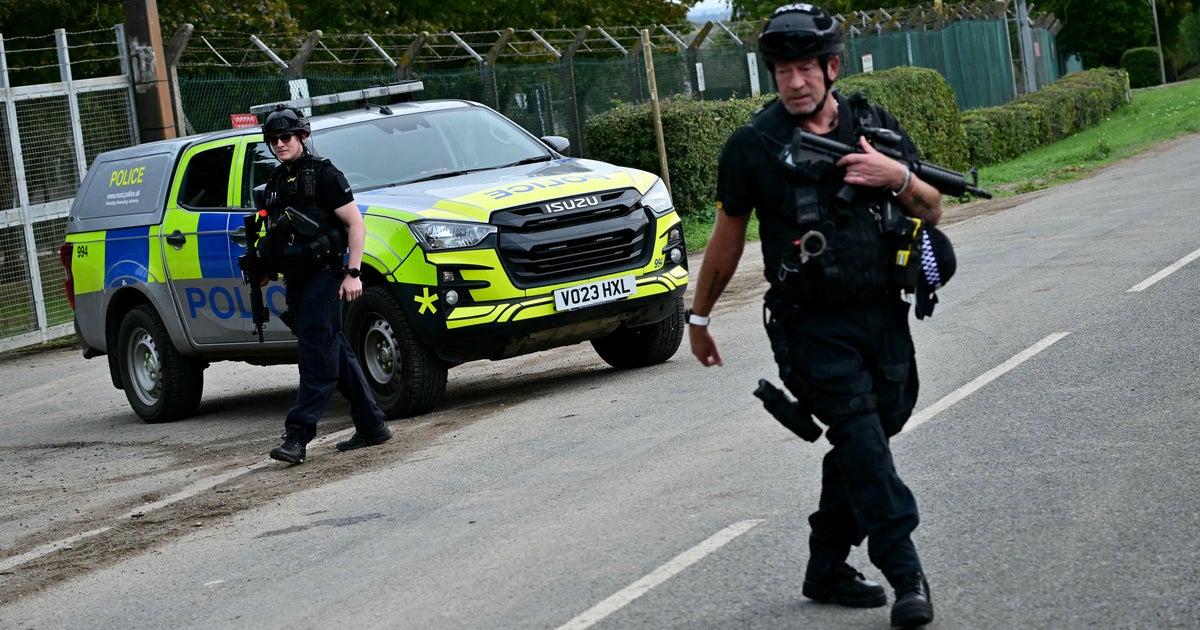
The controversy began in late December when counter-terrorism officers arrested five men in their 20s and 30s near the perimeter of RAF Lakenheath. The base, though nominally a Royal Air Force station, is leased and operated by the United States Air Force (USAF) and serves as the home of the 48th Fighter Wing. It is considered one of the most critical U.S. military assets in Europe.
According to British security sources, the suspects were detained under suspicion of the preparation or instigation of acts of terrorism. Security around the perimeter had already been elevated due to generalized threats against Western military installations. However, following several days of questioning, Suffolk Constabulary and counter-terrorism command announced that the men had been released on bail until a date in early 2025 while investigations continue.
Trump and Rubio Demand "Immediate Clarity"
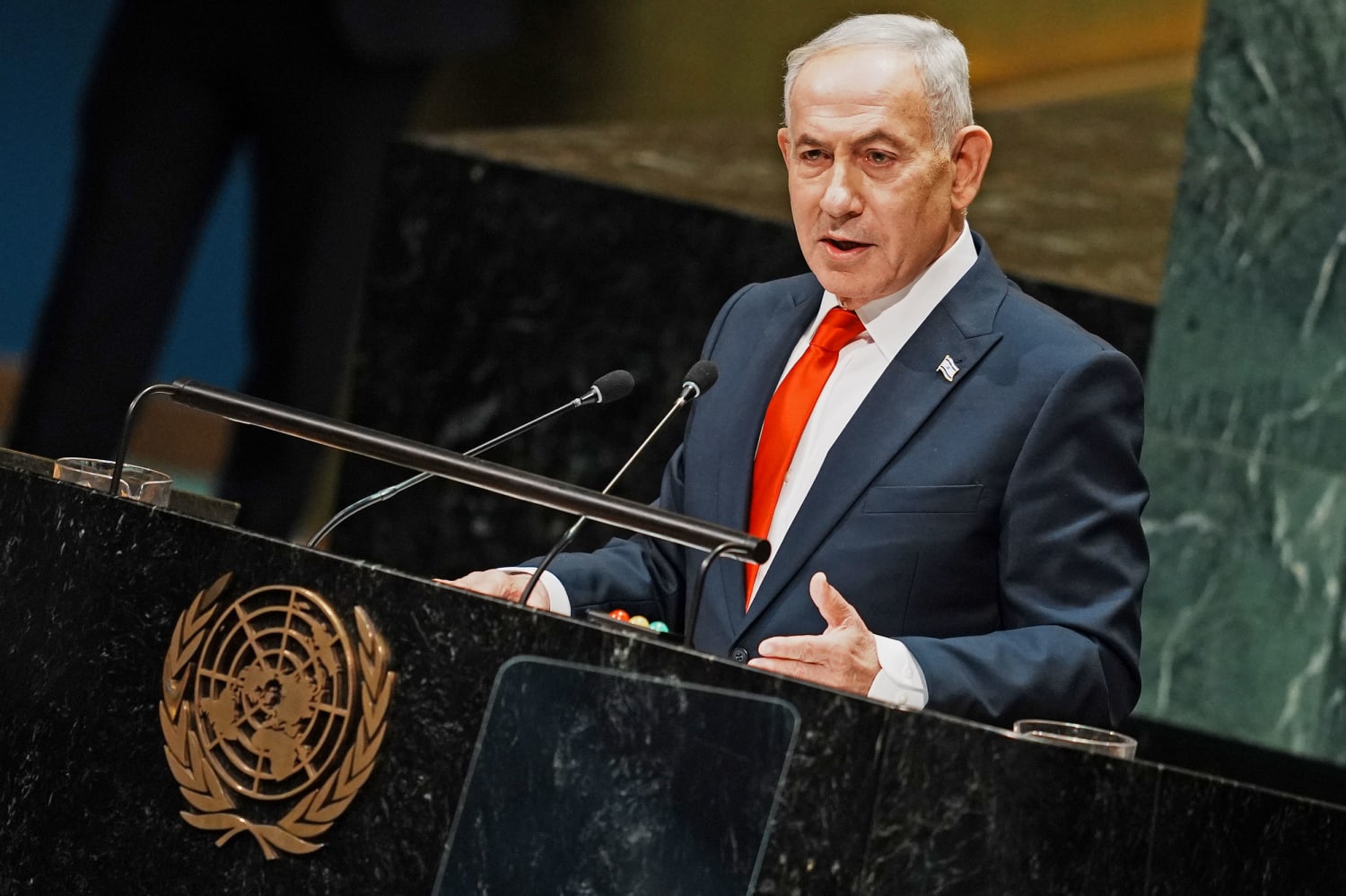
The decision to release the suspects triggered a swift and biting response from Washington. President Trump, preparing to assume office with a mandate focused on hardline national security, characterized the decision as "highly concerning" and illustrative of a lack of urgency in European counter-terrorism efforts.
Senator Marco Rubio, the nominee for Secretary of State, went further, releasing a formal statement questioning the UK’s legal framework regarding high-stakes security threats.
"The protection of American service members abroad is our absolute, non-negotiable priority," Rubio stated. "To learn that individuals suspected of plotting against a major U.S. military installation have been released back into the public on bail raises serious questions about force protection protocols and the adequacy of the British legal response to active terror threats."
U.S. defense officials have privately expressed frustration that British authorities did not hold the suspects under preventive detention, a measure more readily accessible under equivalent U.S. federal counter-terrorism laws.
Comparing the Legal Frameworks: Detainment vs. Bail
The core of the dispute lies in the fundamental difference between how the U.S. and the UK handle terror suspects prior to formal indictment. In the United States, individuals arrested on federal terrorism charges are almost universally detained without bail due to the perceived flight risk and danger to the public.
Conversely, the British legal system operates under strict statutory limits. Under the UK Terrorism Act 2000, suspects can only be held for a maximum of 14 days without charge, subject to regular judicial review. If police require more time to analyze seized digital devices and intelligence files, they must often release the suspects on bail with stringent conditions—such as electronic tagging, curfews, and passport confiscation—rather than keeping them in physical custody.
Key Metrics: US vs. UK Counter-Terrorism Detention Frameworks
| Metric/Feature | United Kingdom Protocol | United States Protocol |
|---|---|---|
| Maximum Detention Without Charge | Up to 14 days (requires judicial approval every 48 hours). | Typically 48 to 72 hours before initial court appearance. |
| Pre-Trial Bail for Terror Suspects | Permissible under strict conditions if charging threshold is not yet met. | Extremely rare; preventive detention is standard for national security threats. |
| Primary Surveillance Method | Bail conditions, electronic tagging, and physical/digital surveillance. | Incarceration in federal holding facilities during active investigation. |
| Bilateral Consultation | Decided independently by local police and Crown Prosecution Service. | Managed via federal agencies (DOJ, FBI) with direct political oversight. |
Geopolitical Fallout and the "Special Relationship"
Diplomatic observers note that the public nature of Trump and Rubio's criticism is highly unusual for two nations that historically resolve intelligence and security disputes behind closed doors. The public dressing-down has put British Prime Minister Keir Starmer's government in a challenging position.
Downing Street has sought to reassure its American counterparts that the release on bail does not represent a dilution of security. A Home Office spokesperson defended the independence of British policing, stating: "We do not comment on active police investigations. However, our police and security services work tirelessly to keep our country and our allies safe, operating under some of the most robust counter-terrorism legislation in the democratic world."
Yet, intelligence analysts warn that if the incoming Trump administration perceives British soil as an unsafe operating environment for U.S. forces, it could lead to a reassessment of U.S. military footprints in Europe. RAF Lakenheath and nearby RAF Alconbury are crucial to NATO’s deterrence strategy against Russia. Any disruption to their operations, or any unilateral U.S. moves to implement extraordinary security cordons around these bases, would severely test British sovereignty.
Future Outlook: High-Level Security Audits Imminent
As the transition in Washington progresses, security experts predict that the incoming administration will demand a comprehensive review of force protection agreements at all joint-use military facilities in the United Kingdom. This could include demands for joint U.S.-UK perimeter patrols, direct American access to British police intelligence regarding local threats, and potentially, renegotiated terms on how foreign nationals suspected of targeting U.S. assets are detained.
For now, the five suspects remain under close monitoring by British counter-terrorism officers, while Washington keeps a watchful—and highly critical—eye on London’s next moves.
Frequently Asked Questions
Why were the five suspects released if they are accused of targeting a military base?
Under British law, individuals arrested under the Terrorism Act cannot be held indefinitely without formal charges. If the police and the Crown Prosecution Service require more time to process evidence (such as digital forensic data from phones and computers), the suspects must be released. However, they are typically released under strict bail conditions, which can include electronic monitoring, travel bans, and regular reporting to police stations.
What is the strategic importance of RAF Lakenheath?
RAF Lakenheath is a premier military base in Suffolk, England, utilized extensively by the United States Air Force. It houses the 48th Fighter Wing, which operates state-of-the-art F-35A Lightning II stealth fighters. The base represents a cornerstone of NATO’s air superiority and nuclear deterrence capabilities in Europe, making its security of paramount interest to both Washington and London.