Netanyahu at the UN: A High-Stakes Showdown Amid Global Isolation and Domestic Upheaval
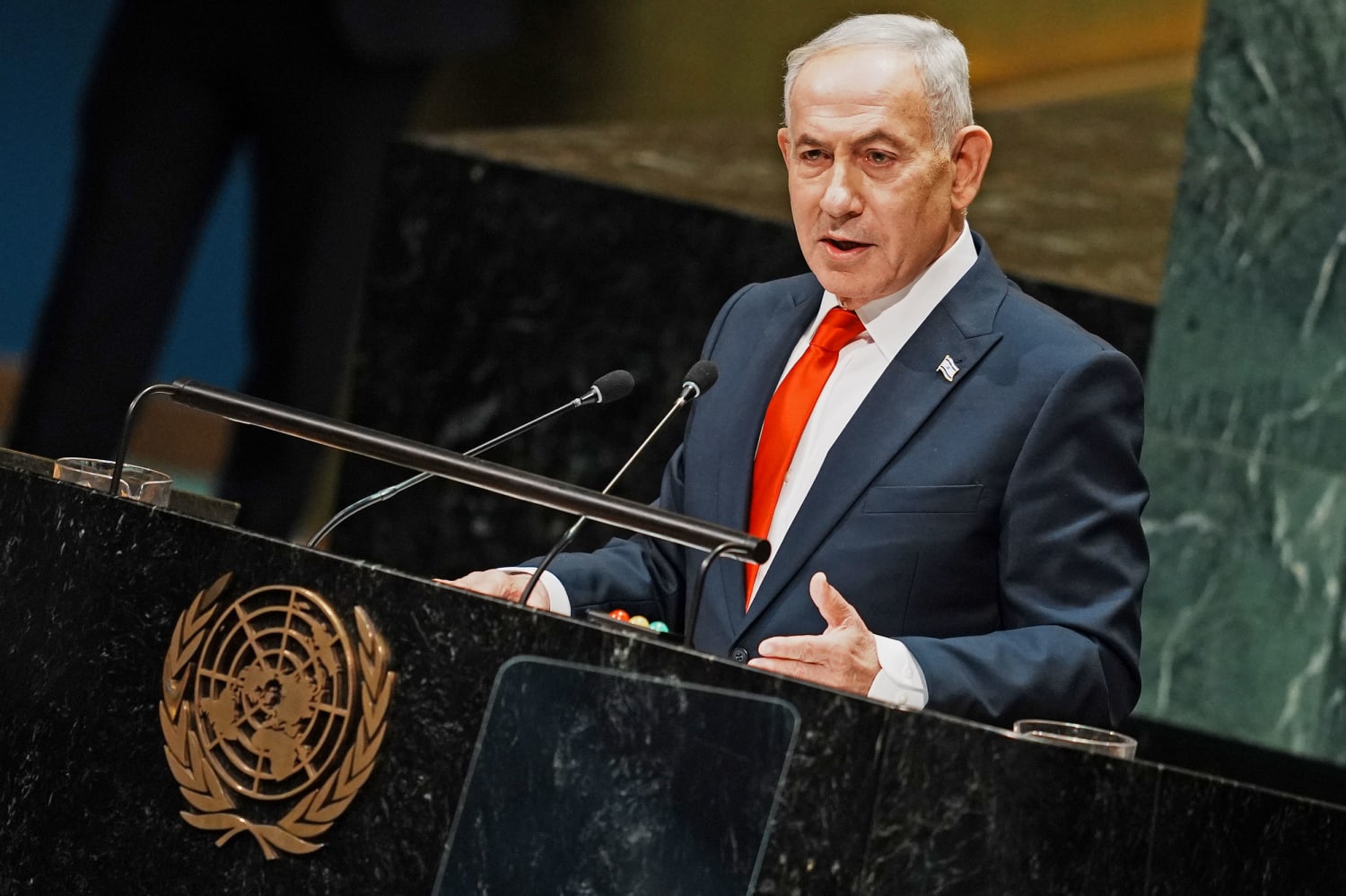
NEW YORK — Israeli Prime Minister Benjamin Netanyahu stepped up to the United Nations General Assembly podium facing a stark reality: unprecedented diplomatic isolation on the world stage and a fierce, existential battle for his political survival at home. As world leaders grapple with a widening Middle East conflict, Netanyahu’s address delivered a defiant message, drawing sharp divisions in an assembly hall already tense with walkouts, protests, and escalating geopolitical friction.
The speech comes at a critical juncture for the Israeli leader, who is simultaneously managing a multi-front military campaign, intense international pressure for ceasefires, and profound domestic political polarization. For financial markets, geopolitical analysts, and global policymakers, the address serves as a vital indicator of Israel’s immediate military trajectory and diplomatic stance.
At a Glance: Key Developments
- Global Friction: Dozens of diplomats walked out of the General Assembly hall as Netanyahu approached the dais, underscoring deep international alienation.
- Defiant Stance: The Prime Minister doubled down on military objectives, vowing to press forward until total victory is achieved against regional adversaries.
- Domestic Pressure: Back in Jerusalem and Tel Aviv, Netanyahu faces massive public protests, shifting coalition dynamics, and mounting economic strains.
- Markit Impact: Safe-haven assets, defense equities, and regional energy markets continue to react volatilely to ongoing escalation risks.
The UN Stage: Defiance Meets Diplomatic Cold Shoulder

As Netanyahu’s name was announced inside the sprawling UN headquarters in New York, a palpable murmur swept through the delegates' floor. Moments later, representatives from numerous nations stood up and walked out in a coordinated protest against Israel’s ongoing military campaigns in Gaza and Lebanon. Remaining seats buzzed with tension.
Undeterred by the empty chairs, Netanyahu launched into a hardline defense of Israel's actions, holding up visual aids to emphasize what he framed as an existential fight for the nation's survival. "Israel seeks peace, but we will fight until we achieve total victory," Netanyahu declared to the remaining audience, taking direct aim at Iran and its network of regional proxies, including Hamas and Hezbollah.
Diplomatic insiders noted that the speech was designed less to persuade international critics and more to project strength to domestic constituents and rally his right-wing political base. However, the optics of widespread diplomatic cold-shouldering highlight just how severely Israel’s international standing has eroded over the past year of intense conflict.
| Strategic Dimension | Current Status | Market & Political Implication |
|---|---|---|
| International Diplomacy | High isolation; widespread walkouts at the UN. | Increased risk of multilateral sanctions or diplomatic resolutions bypassing Israel. |
| Military Strategy | Multi-front operations active in Gaza and Lebanon. | Sustained defense spending; prolonged regional instability. |
| Domestic Politics | Fragile coalition; intense public protests. | Heightened risk of early elections if moderate coalition partners defect. |
| Global Economy | Heightened volatility in energy and defense sectors. | Investors pricing in long-term Middle East friction and supply chain risks. |
The Domestic Political Tightrope
While Netanyahu commands the global spotlight in New York, his political future back in Israel hangs by a thread. The veteran leader has long prided himself on being the ultimate guarantor of Israeli security, but the intelligence and military failures surrounding the October 7 attacks have left deep scars across Israeli society.
Mass protests continue to paralyze parts of Tel Aviv and Jerusalem on a weekly basis. Families of hostages held in Gaza, alongside disillusioned citizens, are demanding a negotiated hostage release deal—even if it requires significant military concessions. Conversely, far-right members of Netanyahu’s governing coalition threaten to topple the government if he agrees to a permanent ceasefire.
Political analysts suggest Netanyahu is navigating this high-stakes dilemma by prolonging a posture of unyielding strength. By maintaining military pressure, he appeases his coalition partners while attempting to stave off the collapse of his government, which would trigger immediate elections he currently risks losing according to recent polling.
Economic Fallout and Market Reactions
The prolonged conflict and its diplomatic fallout are leaving tangible marks on the Israeli economy. Credit rating agencies have downgraded Israel’s sovereign debt, citing fiscal strain from soaring defense expenditures and tourism downturns. Global investors are closely monitoring whether the widening northern front with Hezbollah will disrupt regional energy infrastructure or key shipping lanes.
Defense contractors across the U.S. and Europe saw steady trading volume following Netanyahu's remarks, while safe-haven assets such as gold and the U.S. dollar remained supported. Economists warn that a protracted war without a clear diplomatic endgame risks stifling foreign direct investment and compounding inflationary pressures within Israel.
Looking Ahead: What Comes Next?
As Netanyahu prepares to return to Israel, the immediate outlook remains volatile. The international community will continue pushing for diplomatic off-ramps, while humanitarian concerns in Gaza and Lebanon mount. Domestically, the Prime Minister must manage the fragile arithmetic of his coalition while contending with a weary public yearning for stability.
Whether Netanyahu’s defiant UN address will bolster his political longevity or accelerate his international isolation remains the central question. What is certain is that the decisions made in the coming weeks will profoundly shape the geopolitical landscape of the Middle East—and global markets—for years to come.
Frequently Asked Questions
Why did diplomats walk out during Netanyahu’s UN speech?
Dozens of delegates staged a walkout in protest against Israel's military campaigns in Gaza and Lebanon, reflecting deep-seated international frustration over civilian casualties and the lack of a viable peace process.
How does this speech impact Netanyahu’s political future?
The address served primarily to energize his right-wing base and project strength, but it did little to ease domestic pressure from protesters demanding the return of hostages and potential early elections.