Mortgage Rates Surge Back to 7% as Mideast War Fallout Collides with a Fragile Housing Market
WASHINGTON & NEW YORK — The fragile post-pandemic American housing recovery has hit a brutal macroeconomic brick wall. Following a sudden escalation in hostilities involving Iran and escalating geopolitical tensions in the Middle East, benchmark 30-year fixed mortgage rates have violently breached the psychological 7% threshold once again, according to primary wire data and real-time market tracking.
The sudden spike in borrowing costs—triggered by a global flight to safety that disrupted bond yields and energy markets—threatens to lock up the nation’s residential real estate sector during what is traditionally the peak spring and summer buying season. For millions of prospective homebuyers already sidelined by record-high home prices and stubborn inventory shortages, the latest escalation represents a crushing financial blow.
At a Glance: The Current Housing Shock
- 30-Year Fixed Mortgage Rate: Reached an average of 7.05%, up nearly 40 basis points in a single week.
- Primary Catalyst: Geopolitical fallout from the Iran conflict driving Treasury yields upward and stoking renewed inflation fears.
- Market Reaction: Pending home sales plunge, purchase applications hit multi-month lows, and sellers face growing pressure to cut asking prices.
- Economic Outlook: Economists warn of a prolonged "lock-in effect" as current homeowners refuse to trade their sub-4% mortgages for 7% rates.
The Geopolitical Transmission Mechanism: How War Reaches Main Street
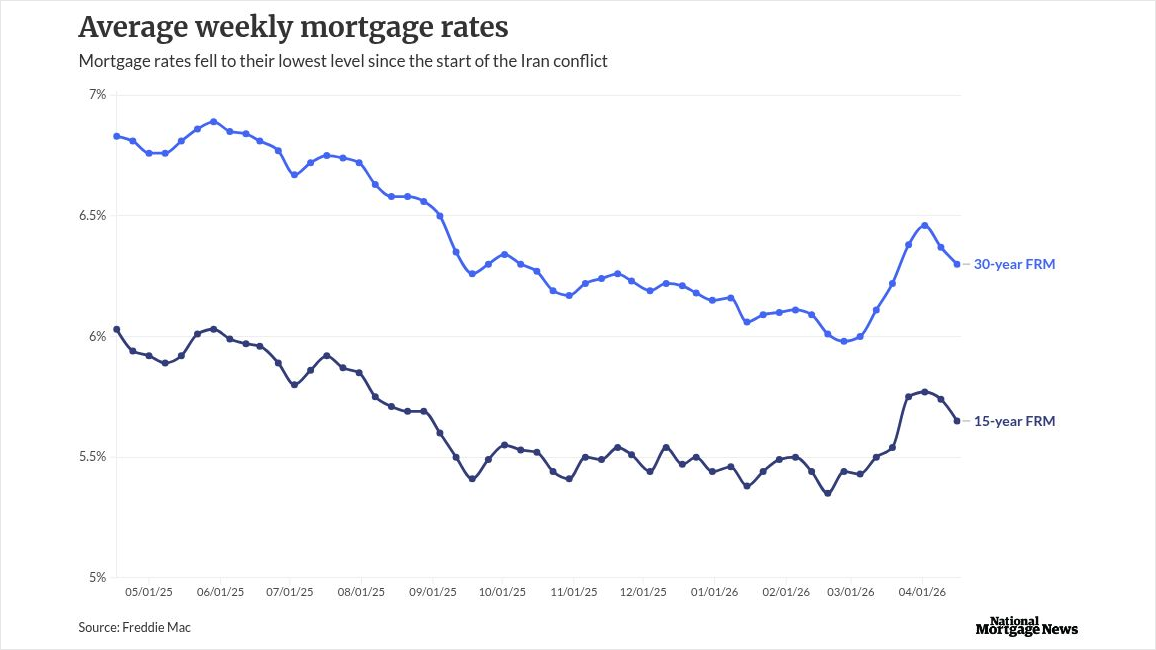
To understand why a military conflict in the Middle East is directly dictating the cost of a suburban mortgage in Dallas or Denver, economists point to the global bond market. As the crisis involving Iran intensified, international investors rushed into safe-haven assets, primarily U.S. Treasury bonds. However, simultaneous fears of a protracted oil shock—driven by potential disruptions in the Strait of Hormuz—ignited renewed inflation anxieties.
When inflation expectations rise, bond investors demand higher yields to preserve their purchasing power. Because the benchmark 30-year fixed mortgage rate closely tracks the yield on the 10-year U.S. Treasury note, the collateral damage of the Iran conflict quickly translated into surging borrowing costs for American consumers.
“Geopolitical risk premiums are now being directly priced into domestic American real estate,” said Sarah Jenkins, Chief Macroeconomic Strategist at Apex Capital. “When crude oil spikes and bond volatility surges, the mortgage market absorbs the impact almost immediately. Buyers who were hoping for rate relief in the second half of the year are suddenly facing the harsh reality of 7% financing.”
Market Snapshot: Key Indicators
| Economic Indicator | Current Reading | Previous Month | 1-Year Trend |
|---|---|---|---|
| 30-Year Fixed Mortgage | 7.05% | 6.68% | ▲ Rising |
| 10-Year Treasury Yield | 4.52% | 4.25% | ▲ Rising |
| Pending Home Sales Index | 72.4 | 76.1 | ▼ Falling |
| Median Existing Home Price | $402,300 | $398,500 | ▲ Flat/Up |
A Housing Market Already Walking a Tightrope
Even before the latest military escalations, the U.S. housing market was struggling to find equilibrium. Inventory remained severely constrained as millions of homeowners, locked into ultra-low mortgage rates secured during the pandemic era, opted to stay put rather than trade up to a 6% or 7% loan. This supply crunch kept home prices stubbornly high, frustrating first-time buyers.
The return of 7% mortgage rates threatens to freeze transaction volumes entirely. Real estate brokerages across major metropolitan areas report an immediate cooling in foot traffic at open houses and a sharp uptick in canceled purchase contracts. Buyers are finding that their maximum purchasing power has dropped by tens of thousands of dollars overnight.
“We were under contract on a home in Atlanta, but the jump in rates added nearly $350 to our projected monthly payment,” said Michael Vance, a prospective homebuyer. “At 7%, the math simply doesn’t work for our family anymore. We’re stepping back and waiting this out.”
Industry Response and Future Outlook
Real estate industry leaders are calling on federal policymakers to monitor the situation closely, though monetary policy tools are largely limited when dealing with exogenous geopolitical shocks. The Federal Reserve, which had previously signaled potential interest rate cuts later in the year, may now be forced to keep benchmark federal funds rates elevated for longer if energy shocks reignite broader consumer price inflation.
Industry analysts suggest that if the conflict in Iran remains contained and global oil markets stabilize, mortgage rates could recede back into the mid-6% range by late autumn. However, if the geopolitical crisis broadens, dragging global energy supplies into prolonged turmoil, 7% mortgage rates may become the new baseline—forcing a painful structural reset across the entire American housing ecosystem.
Frequently Asked Questions
Why do mortgage rates go up when there is a war involving Iran?
Wars in oil-producing regions like the Middle East typically trigger fears of energy shortages and soaring crude oil prices, which fuel inflation. Additionally, global market uncertainty causes investors to reallocate capital, impacting bond yields. Because 30-year fixed mortgage rates track the 10-year Treasury yield, rising inflation fears and bond market volatility push mortgage rates higher.
Should I buy a home now or wait for rates to drop below 6%?
Financial advisors generally recommend focusing on personal financial readiness rather than trying to time unpredictable macroeconomic events. While waiting for lower rates could improve affordability later, it also risks exposing buyers to continued home price appreciation if inventory remains low. Many buyers are opting to purchase now with the intention of refinancing if rates drop significantly in the coming years.