Skies Over the Kingdom: Saudi Air Defense Intercepts Houthi Ballistic Missiles as Regional Tensions Surge
RIYADH / DUBAI — In a major escalation of the protracted regional conflict, Saudi air defense forces successfully intercepted and destroyed multiple ballistic missiles launched toward the Kingdom by Yemen’s Houthi movement. The operation, confirmed early Tuesday by the Saudi-led coalition supporting Yemen’s internationally recognized government, highlights the persistent vulnerabilities facing Gulf infrastructure despite ongoing diplomatic efforts to secure a lasting truce.
The latest aerial attack underscores the fragile security landscape of the Arabian Peninsula. While international mediators continue pushing for a comprehensive political settlement in Yemen, cross-border strikes threaten to derail peace talks and reignite a conflict that has caused one of the world's worst humanitarian crises. Global energy markets and regional security analysts are closely monitoring the fallout, as critical infrastructure remains a primary target for airborne assaults.
High-Stakes Interception: What Happened
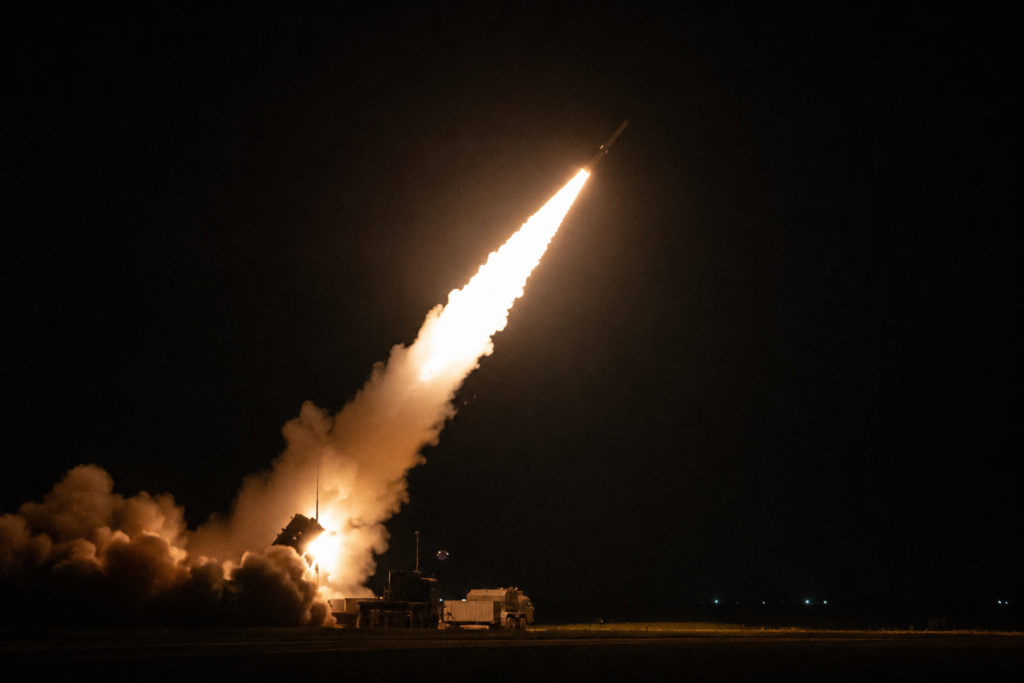
According to official statements released by the Saudi-led coalition, radar systems detected incoming hostile projectiles heading toward strategic locations within the Kingdom. Swift deployment of Patriot and advanced anti-missile defense batteries neutralized the threat mid-air, preventing what could have been catastrophic structural damage and civilian casualties.
Debris from the intercepted ballistic missiles scattered across uninhabited desert areas, prompting immediate deployment of security and engineering teams to secure the impact zones. Initial reports from civil defense authorities confirmed no immediate injuries or structural damage to vital economic installations, though local residents reported hearing loud sonic booms across several major cities.
- Threat Neutralized: Advanced air defense systems successfully intercepted all incoming ballistic threats.
- Zero Casualties Reported: Swift tactical responses prevented loss of life and structural damage.
- Debris Management: Hazmat and security teams secured impact zones to clear missile fragments.
- Heightened Alert: Regional military installations remain on maximum combat readiness.
Strategic Implications for Global Markets and Energy
For international investors and macroeconomic strategists, any escalation involving Saudi Arabia immediately triggers concerns over global energy stability. As the world's leading crude exporter, the security of Saudi oil production facilities, pipelines, and shipping lanes is paramount to maintaining steady global commerce.
Although oil prices experienced minimal immediate turbulence following the interception—attributable to the successful defense operation—analysts warn that persistent Houthi aggression introduces a permanent risk premium into commodities markets. Supply chain continuity across the Red Sea and Bab-el-Mandeb strait remains a vital artery for international trade, making regional stability a top priority for Western and Asian economies alike.
| Metric / Indicator | Current Status | Market Impact |
|---|---|---|
| Saudi Air Defense Readiness | Maximum Alert | High confidence in infrastructure protection |
| Crude Oil Supply Routes | Fully Operational | Low immediate disruption; premium maintained |
| Yemen Peace Negotiations | Strained / Fragile | Heightened diplomatic friction |
| Coalition Response Posture | Active Retaliation Risk | Potential for localized military escalation |
Background and Regional Context
The conflict in Yemen began in late 2014 when Houthi rebels ousted the government from the capital, Sanaa. This prompted a Saudi-led military intervention in March 2015 aimed at restoring the legitimate government. Over the past decade, the war has evolved into a complex proxy conflict involving advanced asymmetric warfare, including Iranian-supplied drones and ballistic missiles targeted at Saudi and Emirati civilian and economic targets.
Despite a UN-brokered truce initiated in 2022 that significantly reduced nationwide fighting, formal peace agreements have remained elusive. Recent regional diplomatic breakthroughs—including the resumption of ties between Saudi Arabia and Iran—had raised hopes for a permanent ceasefire in Yemen. However, intermittent escalations like this latest missile launch demonstrate that deep-seated hostilities and military readiness continue to overshadow diplomatic goodwill.
Official Reactions and International Condemnation
Western allies and regional partners were quick to condemn the cross-border attack, reiterating their steadfast commitment to Saudi security. International bodies emphasized that such aggressive actions undermine ongoing UN-led peace initiatives designed to bring relief to the millions of Yemenis suffering from the protracted conflict.
"The security of the Kingdom of Saudi Arabia is a cornerstone of regional stability," a senior diplomatic official noted on condition of anonymity. "Indiscriminate missile attacks against civilian areas are a blatant violation of international law and threaten to reverse fragile humanitarian gains."
What Lies Ahead for the Region?
As coalition forces assess the tactical data from the intercepted projectiles, the immediate outlook points toward heightened military vigilance coupled with intense behind-the-scenes diplomatic maneuvering. The international community faces the dual challenge of deterring further Houthi attacks while keeping the door open for a negotiated political settlement.
For global business leaders and economic policymakers, the incident serves as a stark reminder of the geopolitical risks embedded in emerging market energy corridors. Continued monitoring of air defense efficacy and diplomatic channels will dictate the rhythm of regional stability in the weeks to come.
Frequently Asked Questions
1. Why are Houthi forces targeting Saudi Arabia with ballistic missiles?
The Houthi movement views the Saudi-led coalition as its primary military adversary in the Yemeni civil war. Cross-border missile and drone attacks are utilized as strategic pressure tactics to counter coalition air superiority and gain leverage in ongoing peace negotiations.
2. Did the intercepted missiles cause any disruption to Saudi oil exports?
No. Saudi air defense systems intercepted the projectiles before they reached critical infrastructure. Crude oil production, refining, and export shipping lanes remain fully operational without any reported disruptions.