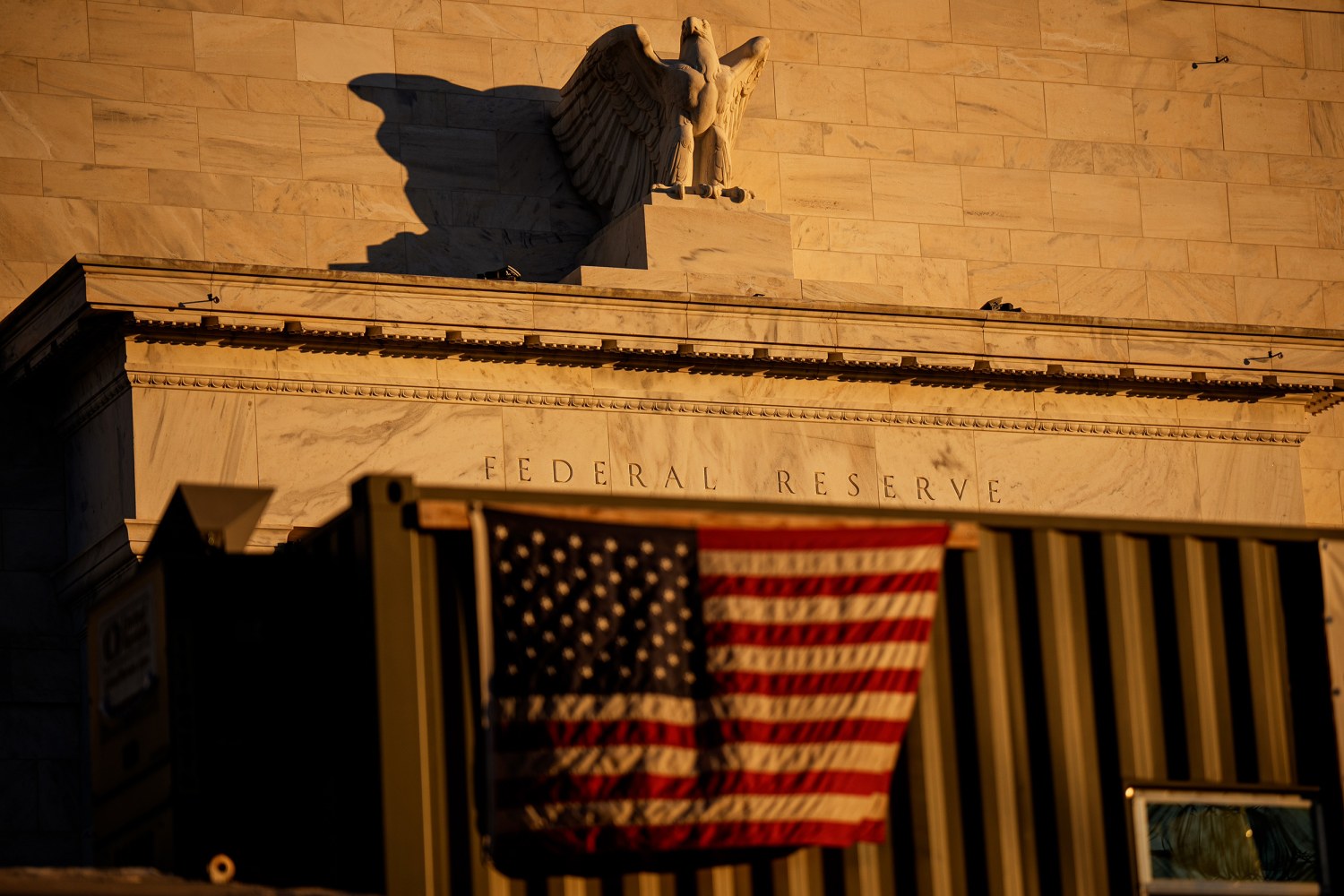
NEW YORK — In a stunning display of market resilience, U.S. stocks and bonds surged sharply higher following the Federal Reserve’s latest interest rate decision, defying conventional economic logic. The dramatic market-wide relief rally was further accelerated as global crude oil prices broke a critical psychological threshold, briefly plunging below $100 per barrel for the first time in months.
The convergence of a decisive monetary policy move, retreating energy costs, and easing geopolitical jitters sent a wave of optimism across trading floors from Wall Street to London. According to reports from NBC News, investors quickly recalibrated their portfolios as incoming economic data suggested that central banks might finally be regaining the upper hand in the prolonged battle against stubborn inflation.
The Fed’s Bold Move: Restoring Credibility and Calming Yields
The catalyst for the late-week surge came directly from Washington, where the Federal Open Market Committee announced its highly anticipated monetary adjustment. While rate hikes are traditionally viewed as a drag on equity valuations, this tightening cycle was met with unexpected enthusiasm by institutional investors.
Bond markets reacted with notable vigor. U.S. Treasury yields tumbled across the curve as fixed-income investors interpreted the central bank's actions as a definitive signal of restored policy credibility. The message from the Eccles Building was clear: preemptive action will be taken to safeguard long-term economic stability, cooling inflationary psychology before it becomes entrenched.
Meanwhile, across the Atlantic, the Bank of England opted to leave its benchmark interest rates untouched, providing further global relief to debt markets already digesting shifting central bank trajectories.
Oil Slips Below $100: Relief for Consumers and Corporates Alike
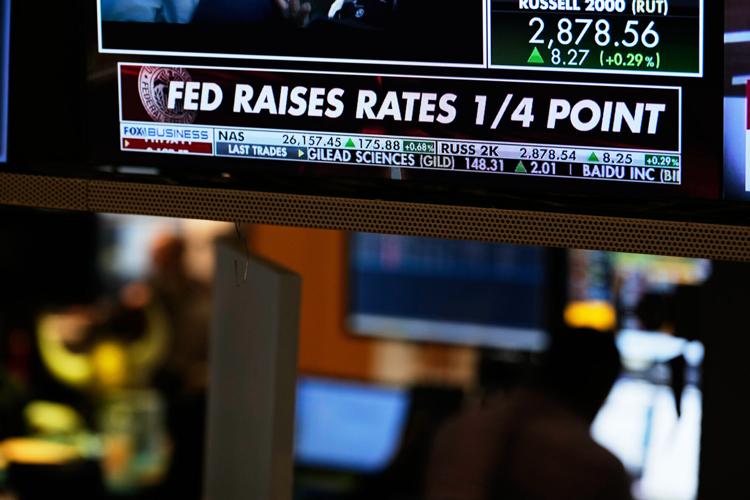
Adding fuel to the market rally was a sudden and welcome reversal in energy markets. U.S. benchmark crude oil prices briefly dipped below the psychologically vital $100-per-barrel mark, offering immediate respite to supply-chain logisticians, corporate earnings forecasts, and inflation-weary consumers at the pump.
The pullback in energy commodities comes amid shifting global supply dynamics and a meticulous reassessment of military operations and regional stability in the Middle East. Detailed breakdowns of expenditures related to ongoing operations against Iran have eased some investor fears of a protracted, catastrophic supply shock, allowing commodity traders to reprice risk downward.
Key Market Takeaways
- Equities Surge: Broad-market stock indexes posted solid gains as risk appetite returned to Wall Street.
- Treasury Rally: U.S. government bond yields fell sharply as investor trust in the Fed's inflation strategy solidified.
- Crude Correction: U.S. oil prices dipped below $100 per barrel, providing crucial relief to global manufacturing and transport sectors.
- Global Monetary Policy: Divergent central bank actions—highlighted by the Fed's hike and the BOE's pause—reshaped global currency and debt flows.
Market Snapshot: Asset Class Reactions
| Asset Class | Market Reaction | Primary Driver |
|---|---|---|
| U.S. Equities (S&P 500 / Nasdaq) | Strong Rally | Lower energy costs and restored policy certainty |
| U.S. Treasuries | Yields Fall / Prices Rise | Renewed confidence in Fed inflation control |
| WTI Crude Oil | Dipped Below $100/bbl | Eased Middle East risk premiums and supply stabilization |
| British Pound / BOE Outlook | Stabilized | Bank of England pauses rate hikes, contrasting Fed |
What This Means for Investors and the Economy
For months, Wall Street has wrestled with a volatile cocktail of aggressive monetary tightening, sticky consumer prices, and volatile commodity markets. However, the latest financial data suggests a potential turning point. By aggressively addressing macroeconomic imbalances, the Federal Reserve has succeeded in reassuring institutional stakeholders that a soft landing remains achievable.
Corporate earnings reports heading into the upcoming quarter are expected to reflect the dual benefits of moderating input costs—thanks to cheaper crude—and stabilizing borrowing conditions. Nevertheless, chief investment officers urge caution, noting that macroeconomic data remains highly dependent on incoming employment and retail indicators.
"Markets are currently pricing in a best-case scenario where inflation recedes without triggering a severe recession," said one senior macro strategist in Manhattan. "While today’s rally proves that liquidity and confidence can return quickly, investors must remain vigilant regarding future geopolitical developments and labor market resilience."
Frequently Asked Questions
Why did stocks and bonds rally when the Federal Reserve hiked interest rates?
Traditionally, rate hikes pressure equities. However, in this instance, investors viewed the Fed's decisive action as a sign of restored policy credibility and proactive inflation management. Coupled with falling bond yields, the move signaled to markets that the central bank is successfully steering the economy toward stabilization.
What caused oil prices to drop below $100 per barrel?
The decline in crude prices was driven by a combination of easing geopolitical risk premiums—specifically regarding military operations in the Middle East—and improving supply-chain forecasts, which helped alleviate trader anxiety over long-term energy shortages.