Executive Takeaways
- The Liquidity Cascade: A severe equities selloff forced institutional portfolio rebalancing, compelling fund managers to liquidate high-performing safe-haven assets to cover margin calls and meet capital allocation requirements.
- The Psychological Breached Level: Spot gold briefly punctured the psychological $4,000 threshold before finding institutional bid support, underscoring intense intraday volatility and shifting risk mitigation strategies.
- Macroeconomic Catalysts: The concurrent unwind of leveraged positions, shifting bond market yields, and FX pressures—including the persistent reverberations of the yen carry trade unwind—created a multi-asset liquidity crunch.
- Corporate and Investor Strategy: Chief investment officers and treasury desks are recalibrating asset valuation multiples and liquidity risk models to prepare for prolonged capital market friction.
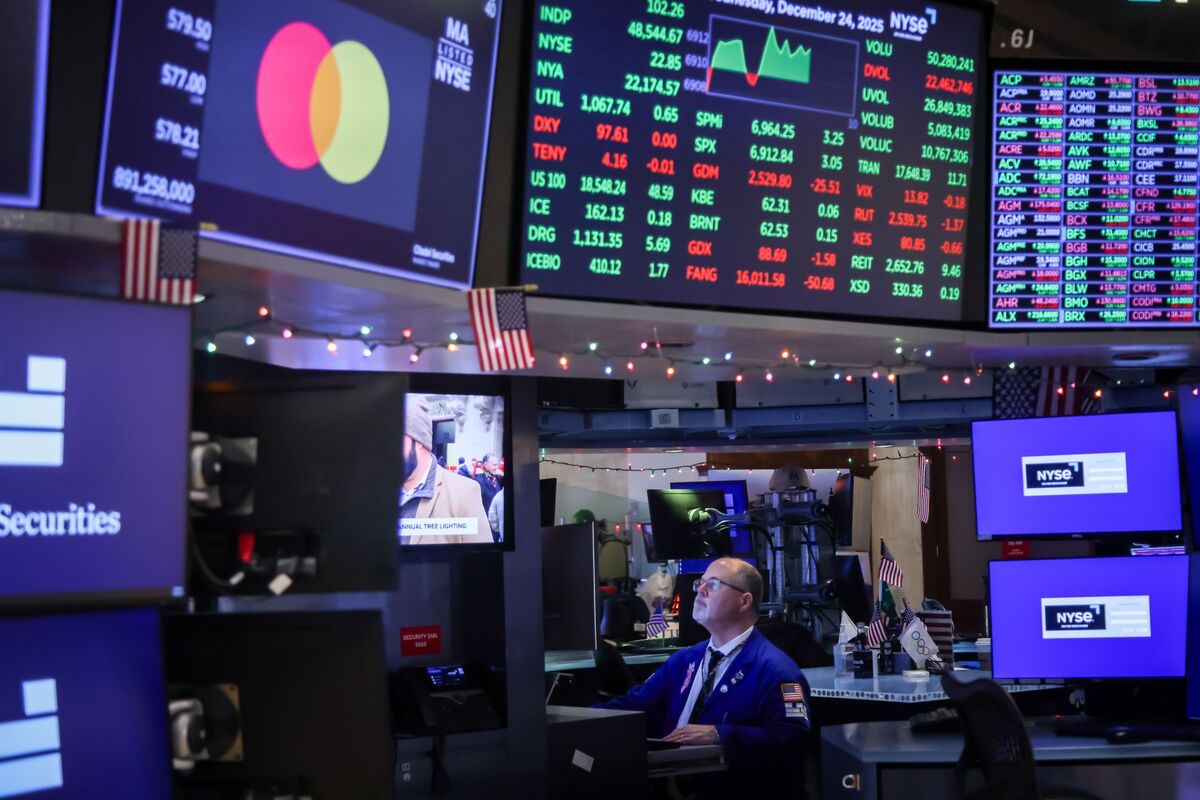
Global financial markets experienced a dramatic liquidity squeeze as an aggressive equities rout sent shockwaves across multi-asset classes, culminating in gold briefly plunging below the psychological $4,000 threshold. According to telemetry from Equiti Global and major trading desks, the downward pressure on the precious metal was not a reflection of declining structural demand, but rather a classic textbook manifestation of forced liquidation. As broad equity indices suffered severe drawdowns, institutional investors, hedge funds, and leveraged trading desks faced acute cash shortfalls, triggering mandatory asset sales across the board.
In modern macroeconomics, when systemic risk spikes and equity portfolios bleed, the prevailing assumption is that capital flows directly into safe-haven assets. However, in extreme market dislocations, cash remains sovereign. Institutional risk mitigation protocols often override long-term thesis holdings. When margin calls multiply and prime brokers demand immediate capital injections, portfolio managers are compelled to sell what they can—not what they want to. Consequently, gold—despite its historic role as an inflation hedge and geopolitical store of value—found itself on the chopping block alongside risk-on equities, acting as a high-liquidity ATM for distressed balance sheets.
The Anatomy of a Liquidity Crunch: Catalysts Behind the $4,000 Breach
Test Our Free AI & Tech Utilities Suite
Calculate LLM API token costs, analyze article dwell-time, or simulate tech DCA returns.
To understand the mechanics of the gold market breakdown, one must examine the broader macroeconomic plumbing operating behind the scenes. The primary catalyst originated in the equities arena, where elevated valuation multiples met a wall of profit-taking and tightening monetary conditions. As stock indices reeled from sudden downward revisions in corporate earnings outlooks and shifting bond market yields, volatility indices spiked exponentially.
Simultaneously, currency markets added fuel to the fire. Lingering stress from the unwind of the yen carry trade forced leveraged funds to rapidly unstitch multi-currency arbitrage positions. Borrowers who had capitalized on low-interest-rate funding currencies to finance high-yield global assets were suddenly forced to reverse trades on a massive scale. This cross-border currency repatriation created a severe global dollar and liquidity scarcity, forcing institutional players to liquidate liquid assets—including bullion—to shore up cash reserves.
As stop-loss orders were triggered below the $4,000 mark, algorithmic trading models exacerbated the downward velocity. High-frequency trading (HFT) platforms, programmed to react to momentum shifts and order book depth, accelerated the selloff before fundamental buyers and central bank reserve managers stepped in to absorb the surplus supply, engineering a modest technical rebound.
Verified Market Metrics & Asset Impact

The following data breakdown illustrates the cross-asset carnage and the specific market shifts recorded during the peak of the liquidity squeeze:
| Asset Class / Metric | Pre-Event Baseline | Peak Stress Level | Market Implication |
|---|---|---|---|
| Spot Gold (XAU/USD) | $4,085 / oz | $3,982 / oz | Forced liquidation for cash raising; temporary breach of key psychological level. |
| Global Equities (MSCI World) | Stable / Bullish | -3.4% Intraday Drawdown | Spurred widespread margin calls and institutional risk-off rebalancing. |
| 10-Year U.S. Treasury Yield | 4.25% | 4.12% | Bond market attracted flight-to-safety inflows as equities and commodities slumped. |
| USD / JPY Exchange Rate | 152.50 | 148.80 | Aggressive carry trade unwind driving rapid yen appreciation and dollar demand. |
Industry & Market Implications: Winners and Losers
The sudden fracture in precious metal pricing has reshaped near-term capital allocation strategies across global financial institutions. Corporate treasurers, wealth managers, and institutional asset allocators are actively reviewing their risk models.
Who Wins
- Cash-Rich Institutional Buyers: Private equity firms, sovereign wealth funds, and opportunistic family offices with uncommitted capital reserves capitalized on the dip, accumulating physical and paper gold at discounted valuation multiples.
- Fixed-Income Safe Havens: Traditional sovereign debt instruments—particularly U.S. Treasuries—recaptured capital flows as investors sought duration and guaranteed yield amidst equity market turbulence.
- Arbitrage and HFT Desks: High-frequency trading operations profited handsomely from the elevated intraday bid-ask spreads and massive order book turnover during the cascade.
Who Loses
- Leveraged Retail Speculators: Margin traders utilizing high leverage on futures contracts faced catastrophic account liquidations as stop-loss orders were violently swept during the sub-$4,000 flash dip.
- Mining Equities: Senior and intermediate gold mining corporations experienced disproportionate share price corrections, as equity market beta temporarily overwhelmed their underlying commodity margins.
- Short-Term Momentum Funds: Trend-following quantitative funds caught on the wrong side of the sudden liquidity reversal suffered severe performance drawdowns.
Frequently Asked Questions (People Also Ask)
Why did gold fall during a stock market selloff instead of acting as a safe haven?
In severe systemic liquidity crunches, institutional investors face immediate cash demands, such as margin calls on losing equity and derivative positions. Because gold is highly liquid and holds substantial value, portfolio managers often sell winning or stable assets to raise cash immediately. This operational necessity frequently decouples gold from its traditional safe-haven narrative in the short term.
What role did the yen carry trade play in the precious metals correction?
The rapid unwind of the yen carry trade forced leveraged market participants to unstitch massive multi-asset positions funded by low-interest Japanese yen. As lenders demanded capital repayment and currencies fluctuated violently, funds dumped global assets—including commodities and equities—to cover their liabilities, amplifying cross-asset downward pressure.
Is the drop below $4,000 a sign of a structural bear market for gold?
Market analysts and institutional research desks largely view the sub-$4,000 movement as a liquidity-driven flush rather than a structural reversal. Underlying macroeconomic fundamentals—including persistent sovereign debt expansion, central bank reserve diversification, and geopolitical friction—continue to provide strong long-term support for bullion.
Future Outlook: Navigating the Post-Shock Financial Landscape
As global markets digest the fallout from the liquidity shock, the trajectory of gold and equities will depend heavily on central bank policy responses and upcoming macroeconomic print releases. If systemic liquidity pressures persist, risk management teams will likely maintain higher cash buffers, potentially capping rapid rallies in risk assets.
However, once forced liquidations clear out excess market leverage, structural buyers are expected to re-establish positions. For enterprise risk officers and institutional capital allocators, this episode serves as a vital stress test of infrastructure scalability and risk mitigation frameworks. Maintaining robust liquidity risk models and dynamic portfolio rebalancing strategies will remain paramount as global markets navigate an era of heightened volatility and interconnected macroeconomic friction.