Executive Takeaways
- Structural Dismantling: CVS Health is moving to split its retail pharmacy operations from its massive insurance and pharmacy benefit management (PBM) divisions, effectively reversing one of the most aggressive vertical integration plays in modern corporate history.
- Market Shockwaves: Wall Street reacted swiftly and severely, sending CVS shares tumbling as institutional investors reprice equity valuation multiples, operational risk mitigation, and projected enterprise ROI.
- Regulatory & Margin Pressures: The break-up underscores intensifying federal antitrust scrutiny, compressed reimbursement yields, and escalating medical cost ratios (MCR) that rendered the conglomerate model increasingly unviable.
- Capital Reallocation: The separation sets the stage for distinct capital allocation strategies, allowing the standalone entities to optimize balance sheet liquidity, infrastructure scalability, and investor targeting.
NEW YORK — In a seismic strategic pivot that is sending shockwaves through Wall Street and healthcare boardrooms alike, CVS Health is actively preparing to dismantle its $117 billion corporate colossus. The impending structural split will sever the company’s ubiquitous retail pharmacy storefronts from its high-margin insurance arm, Aetna, and its dominant pharmacy benefit manager, Caremark. The move represents a stunning capitulation on the era of mega-conglomerate vertical integration, forcing institutional asset managers, healthcare executives, and policymakers to reckon with a radically altered competitive landscape.
The announcement triggered an immediate, volatile response across global equities, with CVS shares plunging as traders scrambled to re-evaluate the company's long-term valuation multiples, future free cash flow generation, and structural risk profile. For years, executives championed the synergy of housing insurance underwriting, drug distribution, and patient care under a single corporate umbrella. Today, that thesis is officially dead, superseded by the harsh realities of regulatory compliance, margin compression, and shifting market liquidity.
The Anatomy of a Corporate Collapse: From Synergy to Separation
Test Our Free AI & Tech Utilities Suite
Calculate LLM API token costs, analyze article dwell-time, or simulate tech DCA returns.
To understand the magnitude of this divorce, one must examine the catalytic events that built the modern CVS Health. The defining stroke occurred in 2018 when CVS completed its $69 billion acquisition of Aetna, a deal engineered to create an all-in-one healthcare behemoth capable of capturing every dollar of a consumer's medical journey. By combining brick-and-mortar pharmacies, a massive PBM, and a premier health insurer, management promised unparalleled cost efficiencies, streamlined data analytics, and superior enterprise ROI.
However, the promised synergies quickly collided with operational friction and external market shocks. As post-pandemic inflation accelerated, medical loss ratios (MCR) spiked dramatically across the insurance industry. Aetna’s utilization rates surged as patients rushed to catch up on elective procedures deferred during COVID-19, squeezing profit margins. Simultaneously, CVS’s traditional retail pharmacy division found itself crushed between stagnant drug reimbursement rates from PBMs, soaring labor costs, and unionization pressures.
Behind closed doors, institutional investors and activist shareholders began agitating for radical corporate restructuring. The conglomerate discount was eroding equity value. Analysts pointed out that the capital requirements needed to maintain legacy IT infrastructure scalability in insurance clashed fundamentally with the nimble, high-turnover logistics required to run thousands of retail storefronts. The board's decision to pursue a structural separation is a direct acknowledgment that the parts are worth significantly more—and carry far less systemic risk—apart than together.
Financial & Operational Breakdown: The Numbers Behind the Split
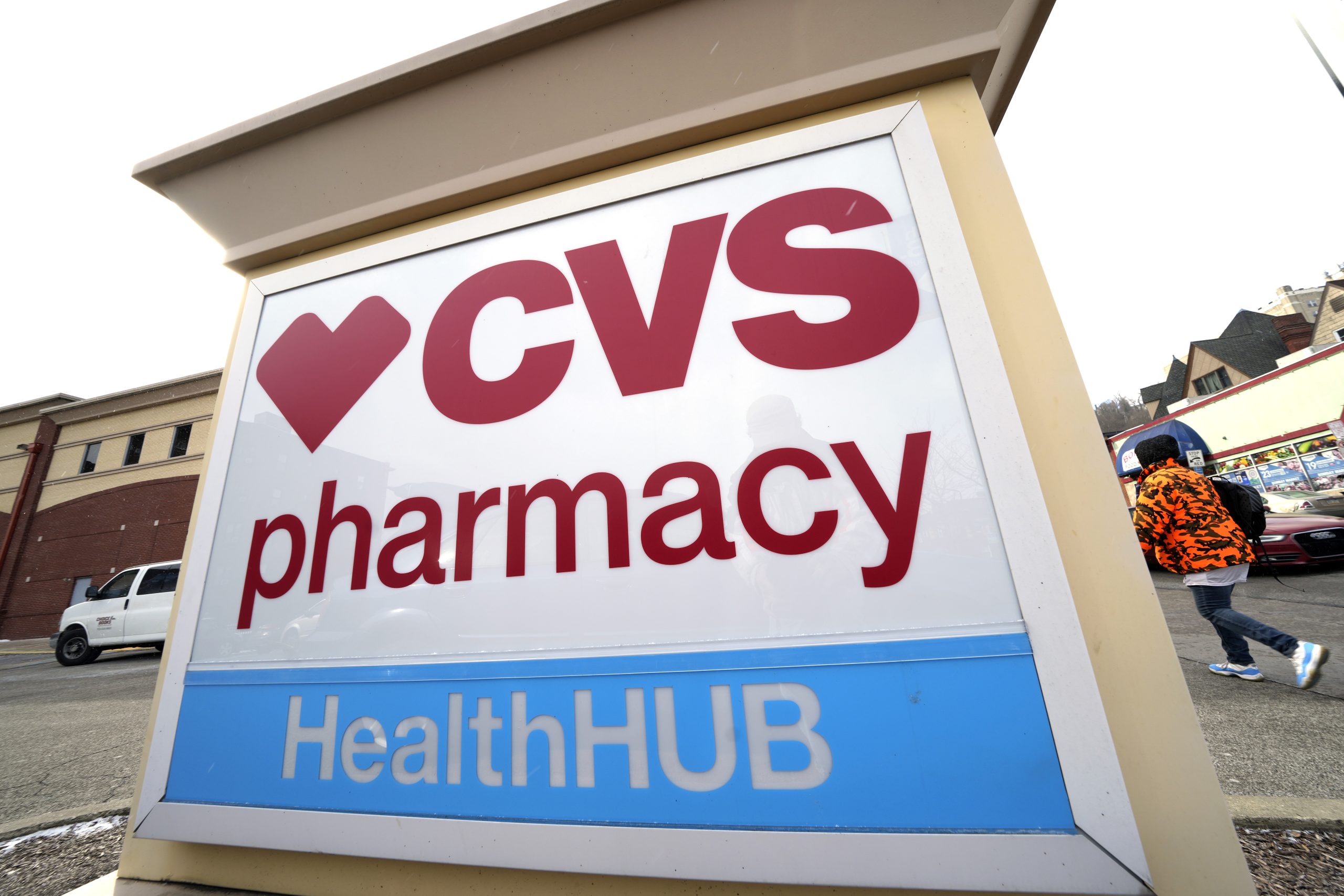
The operational scope of CVS Health is staggering, touching over 100 million Americans through its various subsidiaries. The decision to divide this empire will require complex financial engineering, debt restructuring, and asset reallocation.
| Metric / Indicator | Pre-Split Conglomerate Model | Post-Split Retail Entity | Post-Split Insurance & PBM Entity |
|---|---|---|---|
| Primary Revenue Drivers | Retail Rx, Medical Premiums, PBM Rebates | Front-store retail, prescription dispensing | Aetna health plans, Caremark PBM services |
| Key Valuation Metric | Blended Enterprise Multiple / P/E | EV / EBITDA (Retail Comparables) | Price-to-Earnings (Managed Care Index) |
| Regulatory Exposure | High (FTC, DOJ, and Congressional antitrust scrutiny) | Moderate (State boards of pharmacy, labor laws) | Severe (CMS, Department of Insurance, antitrust) |
| Capital Allocation Focus | Debt reduction, dividend defense, cross-subsidy | Digital transformation, supply chain optimization | Medical loss ratio control, member acquisition |
The financial bifurcation will force debt markets to re-price CVS's outstanding obligations. Credit rating agencies have already placed the company's debt under review, analyzing how liabilities will be apportioned between the retail-heavy spin-off and the cash-generative insurance powerhouse. Ensuring adequate market liquidity for both independent entities remains a top priority for investment bankers steering the transaction.
Industry & Market Implications: Winners, Losers, and Regulatory Crosscurrents
The collapse of CVS’s vertical integration strategy sends a chilling message to other healthcare giants attempting similar models. Competitors like UnitedHealth Group (Optum) and Walgreens Boots Alliance will study this maneuver with intense anxiety. For years, conventional wisdom dictated that owning the payer, the PBM, and the dispensing channel was the ultimate moat against margin erosion.
Instead, that moat became a regulatory target. Federal Trade Commission (FTC) Chair Lina Khan and other antitrust regulators have made PBM practices and healthcare consolidation a primary enforcement frontier. By breaking apart voluntarily, CVS may be executing a proactive defensive maneuver to preempt forced structural breakups by federal regulators, while simultaneously satisfying institutional investors demanding clarity.
- The Winners: Independent pharmacies, regional health plans, and pure-play PBM competitors stand to benefit from a decentralized market. Furthermore, equity analysts specializing in sum-of-the-parts valuations anticipate that long-term investors will favor focused, pure-play equities over bloated conglomerates.
- The Losers: Near-term equity holders absorbed immediate losses as shares dropped. Additionally, corporate overhead and redundant administrative functions will face severe rationalization, putting thousands of corporate roles at risk of redundancy.
- Broader Economic Impact: The split signals a broader secular shift in corporate America away from unfocused diversification and toward core-competency operational excellence, directly impacting commercial real estate strategies, vendor contracts, and healthcare supply chain logistics.
Frequently Asked Questions (People Also Ask)
Why is CVS Health splitting its business now?
CVS is breaking up its empire due to mounting pressure from stagnant retail pharmacy margins, soaring medical loss ratios in its Aetna insurance division, and intense regulatory scrutiny from federal antitrust enforcers. The conglomerate discount severely depressed share value, forcing leadership to unlock hidden equity value through a structural separation.
How will the split impact existing CVS pharmacy customers and Aetna members?
In the immediate term, day-to-day operations, prescription fulfillment, and insurance coverage will remain uninterrupted. However, over the long term, the independent entities may adjust their partnership terms, affecting how prescriptions are routed and how retail health clinics integrate with insurance networks.
What happens to CVS stock and shareholder value following the announcement?
CVS shares fell sharply upon the news as institutional investors digested the operational complexity, debt reallocations, and near-term market volatility associated with a break-up of this scale. Over the long horizon, market analysts expect the separate pure-play stocks to trade at valuation multiples better aligned with their respective industry sectors.
Does this signal the end of vertical integration in American healthcare?
It represents a severe blow to the trend, proving that massive multi-sector healthcare conglomerates are exceedingly difficult to manage efficiently under a single corporate roof. While competitors like UnitedHealth continue to test the model, CVS's pivot will trigger a fundamental re-evaluation across the entire healthcare sector.
Future Outlook: Milestones to Watch
As CVS Health embarks on this historic corporate restructuring, financial markets and regulatory bodies will be monitoring several critical milestones over the next 12 to 24 months:
- Regulatory Clearances: Antitrust and state insurance commissioner approvals will dictate the speed and feasibility of the structural separation.
- Debt & Capital Structuring: Investment banking syndicates will need to successfully issue separate debt tranches for both entities, ensuring investment-grade ratings and robust market liquidity.
- Executive Leadership Appointments: The appointment of distinct CEOs and boards for the standalone entities will signal their strategic priorities, whether leaning into digital health disruption or aggressive cost containment.
- Quarterly Earnings Execution: Both operational units must demonstrate sustainable margin expansion and improved enterprise ROI to restore investor confidence and reverse the bearish sentiment triggered by the initial announcement.
The dismantling of the $117 billion CVS empire marks the definitive closing chapter of an aggressive corporate experiment. As the dust settles on Wall Street, the fallout from this strategic divorce will permanently alter the economics of American healthcare for decades to come.