Executive Takeaways
- Strategic Pivot: CVS Health executives and financial advisers are exploring a historic corporate breakup of its $117 billion enterprise, targeting the separation of its retail pharmacies, Aetna insurance arm, and Caremark PBM.
- Catalytic Pressures: Chronic underperformance in the Medicare Advantage segment, surging medical loss ratios (MLRs), and brutal pharmacy benefit manager (PBM) pricing scrutiny have decimated valuation multiples.
- Capital Allocation Restructuring: The potential spinoff or sale is designed to unlock stagnant shareholder value, streamline infrastructure scalability, and optimize risk mitigation across distinct operating verticals.
- In-depth financial modeling suggests the sum-of-the-parts valuation could substantially outstrip the current consolidated market capitalization, drawing intense interest from private equity consortia and institutional asset managers.
The Unraveling of an Integrated Healthcare Giant
For nearly a decade, Wall Street championed the "vertical integration" thesis in American healthcare. The logic preached by conglomerates was unassailable on paper: combine the payer, the pharmacy, and the pharmacy benefit manager under a single corporate umbrella to capture every dollar of the healthcare continuum. When CVS Health acquired insurance giant Aetna in 2018 for $69 billion, it cemented this paradigm, promising investors unmatched enterprise ROI, synchronized care delivery, and impenetrable infrastructure scalability.
Today, that cornerstone thesis is fracturing under the weight of macroeconomic realities, operational complexity, and regulatory hostility. According to senior sources with direct knowledge of boardroom deliberations, CVS Health leadership, alongside top-tier investment banking advisers, is actively evaluating a structural breakup of the enterprise. The deliberation marks a humiliating yet pragmatic retreat from the all-in-one healthcare supermarket model, proving that even the most formidable balance sheets cannot indefinitely absorb systemic structural headwinds.
The catalyst for this strategic reassessment is not a single misstep, but an accumulation of compounding pressures. CVS’s core retail pharmacy division faces severe labor costs, tightening reimbursement rates from third-party payers, and persistent front-store margin compression. Meanwhile, its Caremark pharmacy benefit management (PBM) arm is caught in the crosshairs of federal antitrust investigators, state attorneys general, and corporate clients demanding absolute pricing transparency. Most damagingly, however, the Aetna insurance division has been bleeding capital due to inaccurate risk-adjustment coding, post-pandemic utilization spikes in elective procedures, and surging medical loss ratios that caught executive leadership flat-footed.
Anatomy of the Conglomerate: Breaking Down the Pillars
To understand why a breakup is not only possible but increasingly probable, one must examine the distinct operational mechanics and financial health of CVS Health’s three core pillars. Each division operates under entirely different regulatory frameworks, capital requirements, and growth trajectories, making a unified management approach increasingly untenable.
1. The Aetna Insurance Unit: The Profitability Drain
Aetna was supposed to be the cash cow of the conglomerate, fueling debt paydown and funding digital health expansions. Instead, it has become an acute liability. Medicare Advantage plans across the industry have suffered from miscalculated utilization rates as older Americans rushed back to hospitals for delayed orthopedic, cardiovascular, and diagnostic procedures. Aetna’s medical benefit ratio (MBR)—the percentage of premium dollars spent on patient care—climbed aggressively, severely eroding operating income and triggering consecutive quarters of lowered guidance that sent CVS stock into a tailspin.
2. CVS Caremark (PBM): Regulatory Crosshairs
As one of the "Big Three" PBMs controlling roughly 80% of prescription drug claims in the United States, Caremark generates massive top-line revenue. However, it operates in an environment of escalating regulatory compliance risk. The Federal Trade Commission (FTC), Senate committees, and state regulators have trained their sights on PBM rebate practices, vertical steering, and list-price inflation. Splitting Caremark from the retail and insurance units could insulate the parent entity from legal liabilities and allow the PBM to navigate its unique legislative battlefield with focused governance.
3. Retail Pharmacy & Health Hubs: Main Street Footprint
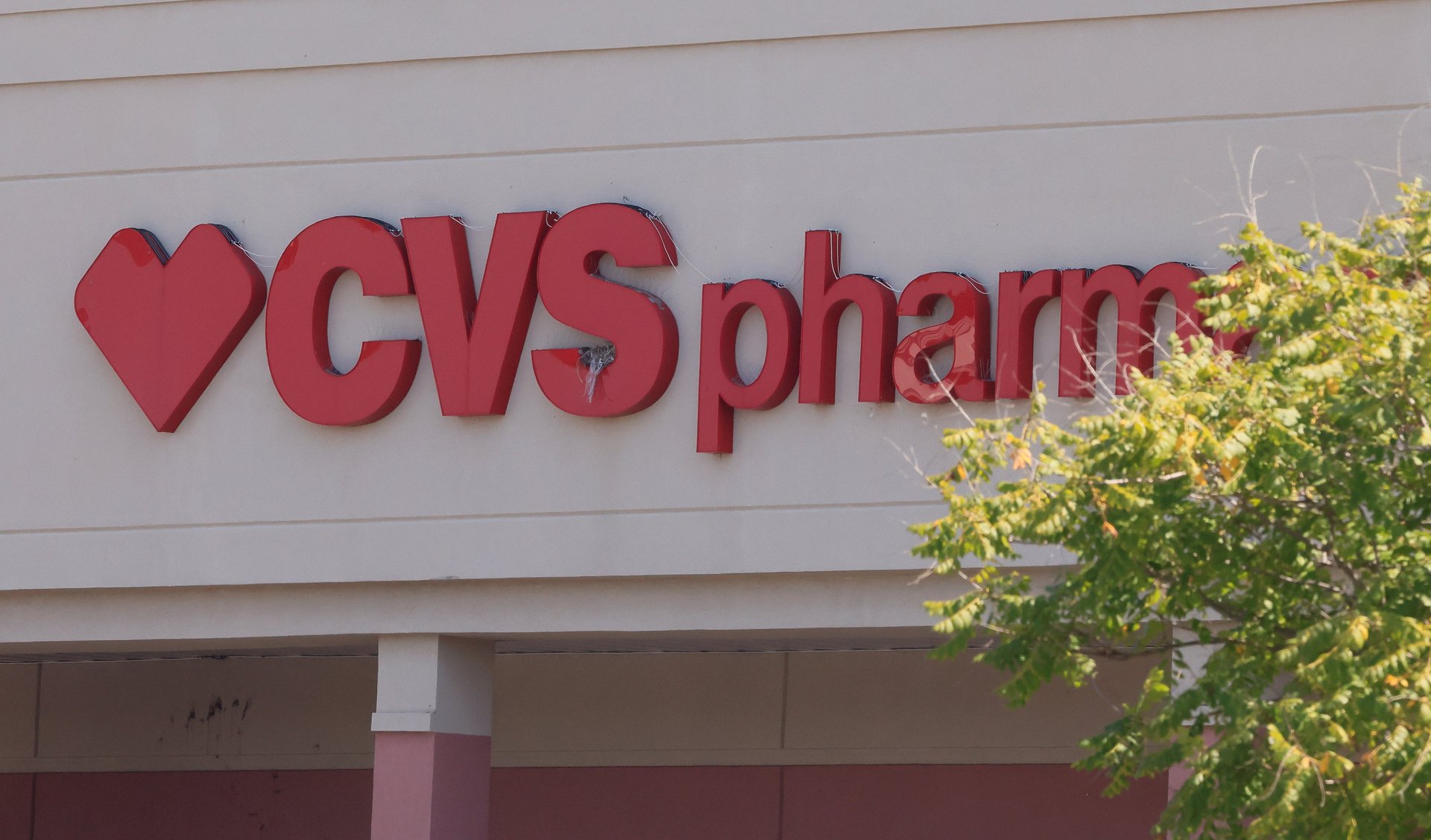
With nearly 9,000 retail locations, CVS Pharmacy remains an iconic American consumer brand. Yet, traditional brick-and-mortar drugstores are buckling under wage inflation, organized retail crime, and predatory generic drug reimbursement formulas. The pivot toward "Health Hubs"—clinics embedded inside stores—has required heavy capital expenditure without delivering the anticipated near-term enterprise ROI. Standalone, the retail business could aggressively restructure its footprint, optimize inventory logistics, and partner freely with outside healthcare systems.
Verified Data & Metrics Breakdown
| Business Segment | Core Function | Primary Market Headwinds | Potential Spinoff Valuation Outlook |
|---|---|---|---|
| Aetna Healthcare | Health Insurance & Managed Care | Surging Medical Loss Ratios (MLR), Medicare Advantage coding shifts | Moderate multiple expansion as pure-play insurer |
| CVS Caremark | Pharmacy Benefit Management (PBM) | Aggressive FTC antitrust scrutiny, state spread-pricing bans | High cash-flow generation, defensive yield play |
| CVS Retail & Health Hubs | Brick-and-Mortar Pharmacy & Clinics | Front-store margin squeeze, rising labor costs, theft | Operational turnaround potential via footprint reduction |
Industry & Market Implications: Who Wins and Who Loses
A corporate disaggregation of this magnitude sends immediate shockwaves across the healthcare sector, altering competitive dynamics for insurance rivals, pharmaceutical manufacturers, and independent pharmacies alike.
Institutional Investors & Shareholders: Long-term investors who watched CVS shares languish while competitors surged will likely welcome a sum-of-the-parts valuation unlock. Historically, diversified healthcare conglomerates suffer from a "conglomerate discount" on Wall Street. By separating the cash-generative PBM from the volatile insurance operations, portfolio managers can precisely weight their capital exposure.
Competitors (UnitedHealth Group & Cigna): UnitedHealth Group (UNH) remains the gold standard of integrated healthcare execution, successfully balancing Optum and UnitedHealthcare. If CVS falters and dismantles its integrated model, it validates UnitedHealth’s superior operational execution while isolating Cigna and Humana, which have pursued more focused corporate strategies.
Patients & Consumers: For the everyday healthcare consumer, the immediate impact on day-to-day pharmacy visits or insurance copays is expected to be minimal. However, long-term structural realignment could shift how prescription drugs are priced, how independent pharmacies negotiate reimbursement, and how digital health platforms interface with physical clinic networks.
Frequently Asked Questions (People Also Ask)
Why is CVS Health considering breaking up its $117 billion conglomerate?
CVS is exploring a breakup primarily due to chronic underperformance in its Aetna insurance division, surging medical loss ratios, retail margin pressures, and intense regulatory scrutiny on its Caremark PBM unit. A spinoff or split aims to eliminate the conglomerate discount and unlock higher valuation multiples for individual business segments.
What would happen to Aetna and Caremark under a corporate split?
Under a standard corporate reorganization, Aetna (insurance), Caremark (PBM), and CVS Pharmacy (retail) would likely become independent publicly traded entities via tax-free spinoffs, or individual divisions could be carved out and sold to private equity or strategic buyers.
How will this potential breakup impact CVS stock and investor portfolios?
Activist investors and institutional shareholders generally view sum-of-the-parts valuations favorably. While near-term volatility is expected during restructuring announcements, pure-play operational focus often commands higher valuation multiples compared to a struggling, over-leveraged conglomerate.
Are patients and insurance policyholders going to be affected immediately?
No. Corporate restructuring at this scale takes many months—often over a year—to execute legally and operationally. Day-to-day insurance coverage, pharmacy prescriptions, and clinic appointments will continue uninterrupted during the review and planning phases.
Future Outlook & Key Milestones to Watch
As corporate advisors crunch valuation models and engage in preliminary discussions with prospective buyers and institutional stakeholders, the coming quarters will be critical for CVS Health. Key milestones and signposts for market watchers include:
- Upcoming Earnings Calls & Guidance Revisions: Watch for official commentary from executive leadership regarding strategic portfolio reviews and capital allocation commitments.
- Activist Investor Disclosures: Monitor Schedule 13D filings from hedge funds and activist firms taking newly minted stakes in CVS Health to pressure management toward an expedited breakup.
- Regulatory & Antitrust Clearances: Any proposed sale of Aetna or Caremark will trigger rigorous antitrust reviews by the Department of Justice (DOJ) and the Federal Trade Commission (FTC), setting the tone for future healthcare M&A activity.
Ultimately, CVS Health’s potential $117 billion breakup signals the definitive end of an era for aggressive healthcare vertical integration. Whether management elects a full structural disdivision or targeted asset divestitures, the outcome will redefine the strategic playbook for American healthcare corporations for the next decade.