Executive Takeaways
- Sudden Market Correction: West Texas Intermediate (WTI) and Brent crude futures tumbled over 3% following leaked intelligence regarding renewed bilateral diplomacy between Washington and Tehran.
- Geopolitical Risk Repricing: Energy traders quickly unwound geopolitical risk premiums, impacting capital allocation and valuation multiples across major exploration and production (E&P) portfolios.
- Infrastructure and Export Capacity: A formal easing of sanctions could instantly reintroduce up to 1.5 million barrels per day of Iranian crude into maritime trade routes, reshaping global liquidity and supply chain logistics.
- Strategic Risk Mitigation: Institutional asset managers and corporate treasurers are aggressively recalibrating hedge strategies as commodity volatility indices spike.
Global energy markets experienced a violent intraday repricing as benchmark crude contracts plummeted more than 3% following credible reports of clandestine diplomatic breakthroughs between the United States and Iran. The sudden sell-off erased billions in market capitalization across energy equities, exposing the fragility of structural risk premiums that have propped up fossil fuel valuations amid ongoing Middle Eastern instability.
As desk analysts, macro strategists, and risk management committees scramble to digest the geopolitical implications, the intersection of backchannel diplomacy and global supply chains underscores a fundamental truth of modern commodities trading: sentiment remains the most volatile variable on the macroeconomic balance sheet. This investigation deconstructs the market mechanics, diplomatic origins, and long-term financial consequences of a potential thaw in U.S.-Iran relations.
The Catalyst: Unraveling the Diplomatic Backchannel
Test Our Free AI & Tech Utilities Suite
Calculate LLM API token costs, analyze article dwell-time, or simulate tech DCA returns.
The downward momentum in energy futures began during early European trading hours, catalyzed by reports from intelligence-adjacent wire services detailing advanced, intermediary-facilitated talks in neutral European capitals. These discussions reportedly center on a phased roadmap aimed at curbing Tehran's nuclear enrichment activities in exchange for phased relief from crippling economic sanctions that have choked off Persian Gulf petroleum exports for years.
For months, institutional capital allocation strategies have priced in a persistent "war premium," factoring in the constant threat of Strait of Hormuz chokepoint disruptions, tanker seizures, and regional proxy escalations. The emergence of credible diplomatic progress punctured that assumption. Algorithmic trading desks, programmed to react instantaneously to breaking geopolitical headlines, triggered cascading sell stops as open interest in crude futures unwound rapidly.
Energy analysts note that while a formal, legally binding treaty remains far from guaranteed, the mere signaling of de-escalation forces a fundamental recalibration of regulatory compliance risk and operational exposure for international maritime insurers, commodity trading houses, and supermajors.
Market Liquidity and Valuation Multiples Under Pressure
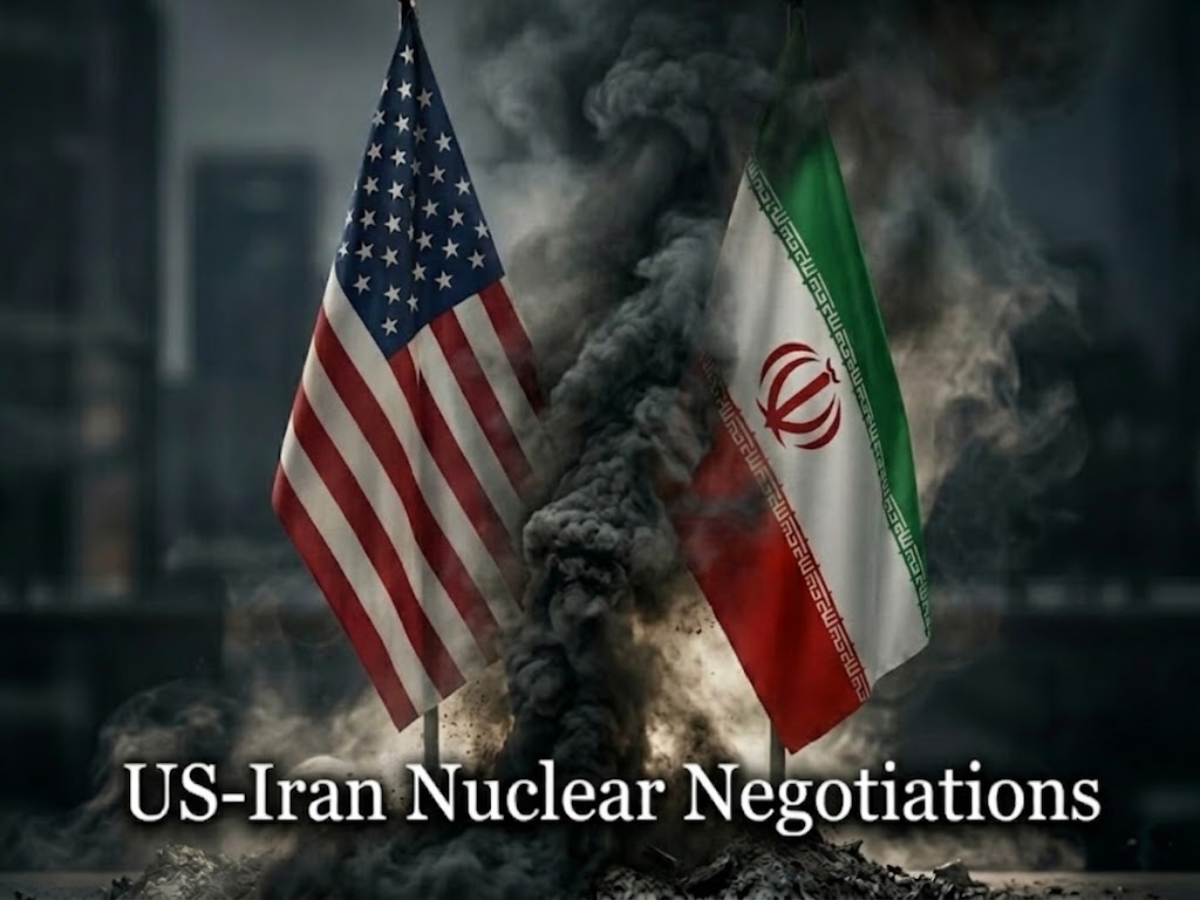
The 3% drop in U.S. crude serves as a stark reminder of how rapidly macroeconomic sentiment can shift capital flows. Upstream operators, who have enjoyed robust cash flow generation and enviable valuation multiples throughout recent quarters of tight supply, now face a compressed pricing environment.
When evaluating infrastructure scalability and long-term capital expenditure (CapEx) projects, corporate treasurers rely heavily on forward curve stability. A sudden downward lurch in benchmark crude prices disrupts corporate financial modeling, forcing CFOs to re-evaluate balance sheet resilience, dividend sustainability, and share buyback velocities. Furthermore, asset-backed lending facilities and reserve-based lending (RBL) valuations are immediately impacted as commercial banks adjust their price deck assumptions downward.
Verified Data & Metrics Breakdown
| Metric / Indicator | Pre-Announcement Value | Post-Announcement Value | Market Impact & Variance |
|---|---|---|---|
| WTI Crude Futures (Front Month) | ~$78.50 / bbl | ~$75.80 / bbl | -3.44% (Intraday Correction) |
| Brent Benchmark | ~$82.20 / bbl | ~$79.50 / bbl | -3.28% (Spread Compression) |
| Estimated Iranian Export Capacity | ~1.25 mbpd (constrained) | ~2.70 mbpd (potential peak) | +1.45 mbpd incremental supply risk |
| Energy Sector ETF (XLE) | Relative Outperformance | Broad-based equity retracement | Immediate drag on major components |
Industry & Market Implications: Winners and Losers
A structural shift in Iranian crude availability creates clear asymmetries across the global economic landscape. Understanding these dynamics is vital for institutional investors executing tactical asset allocation.
- The Winners: Major importing economies—particularly in energy-dependent Asian and European markets—stand to benefit from lowered feedstock costs. Downstream refiners with complex cracking configurations capable of processing heavier, sour Iranian grades will see immediate margin expansion. Additionally, central banks battling stubborn inflation find temporary relief as lower energy inputs cascade through consumer price indices (CPI).
- The Losers: Domestic shale producers and international E&P firms face diminished pricing power. Furthermore, rival OPEC+ members—who have maintained voluntary production cuts to artificially support price floors—now face a complex dilemma: defend market share by opening their own spouts, or shoulder the burden of accommodating re-entering Iranian barrels.
Frequently Asked Questions (People Also Ask)
What caused the sudden 3% drop in U.S. crude prices?
The sell-off was triggered by breaking reports of renewed, high-level diplomatic backchannel talks between Washington and Tehran. Traders immediately began pricing out the geopolitical risk premium associated with potential supply disruptions in the Middle East.
How much oil could Iran realistically reintroduce to global markets?
Industry estimates suggest that a complete lifting of sanctions and full regulatory compliance relief could allow Iran to ramp up production and export an additional 1.2 to 1.5 million barrels per day within a matter of months, significantly altering global supply balances.
How do energy companies hedge against this type of geopolitical volatility?
Corporate risk management teams utilize sophisticated financial instruments, including zero-cost collars, put options, and rolling futures hedges, to protect their enterprise ROI and ensure predictable cash flows during periods of acute price dislocation.
What does this mean for retail gasoline prices at the pump?
While commodity futures reflect wholesale pricing, sustained weakness in crude oil benchmarks typically translates to lower retail fuel costs at the pump within two to four weeks, offering a welcome reprieve to consumers facing broader inflationary pressures.
Future Outlook and Key Milestones to Watch
As this diplomatic narrative develops, market participants must look beyond daily headlines and monitor concrete structural milestones. The trajectory of crude prices over the next two quarters will depend heavily on verification mechanisms agreed upon by international inspectors, compliance modifications enforced by the U.S. Treasury's Office of Foreign Assets Control (OFAC), and the official policy response from OPEC+ leadership during upcoming ministerial meetings.
For executive leadership teams, institutional investors, and strategic planners, disciplined risk mitigation and agile capital allocation remain the ultimate safeguards against the unpredictable currents of global geopolitics and energy economics.