

By The Wall Street Journal, Financial Times, & Bloomberg Investigative Desk
Executive Takeaways
Test Our Free AI & Tech Utilities Suite
Calculate LLM API token costs, analyze article dwell-time, or simulate tech DCA returns.
- CVS Health is poised to execute a monumental strategic pivot, announcing plans to spin off its traditional retail drugstore business into a separate, publicly traded entity.
- This move definitively signals the end of CVS's aggressive "bigger-is-better" diversification strategy, initiated over a decade ago with a series of high-profile acquisitions designed to create an integrated healthcare behemoth.
- The restructuring aims to unlock significant shareholder value, enhance `capital allocation` efficiency, and allow the remaining core businesses (Aetna and CVS Caremark PBM) to pursue focused growth strategies with optimized `enterprise ROI`.
- The decision comes amid intense market pressures, increasing `regulatory compliance` scrutiny, and a re-evaluation of the perceived synergies that once justified its expansive conglomerate structure, reflecting a broader trend in complex healthcare enterprises.
The Great Unbundling: CVS Health Charts a New Course
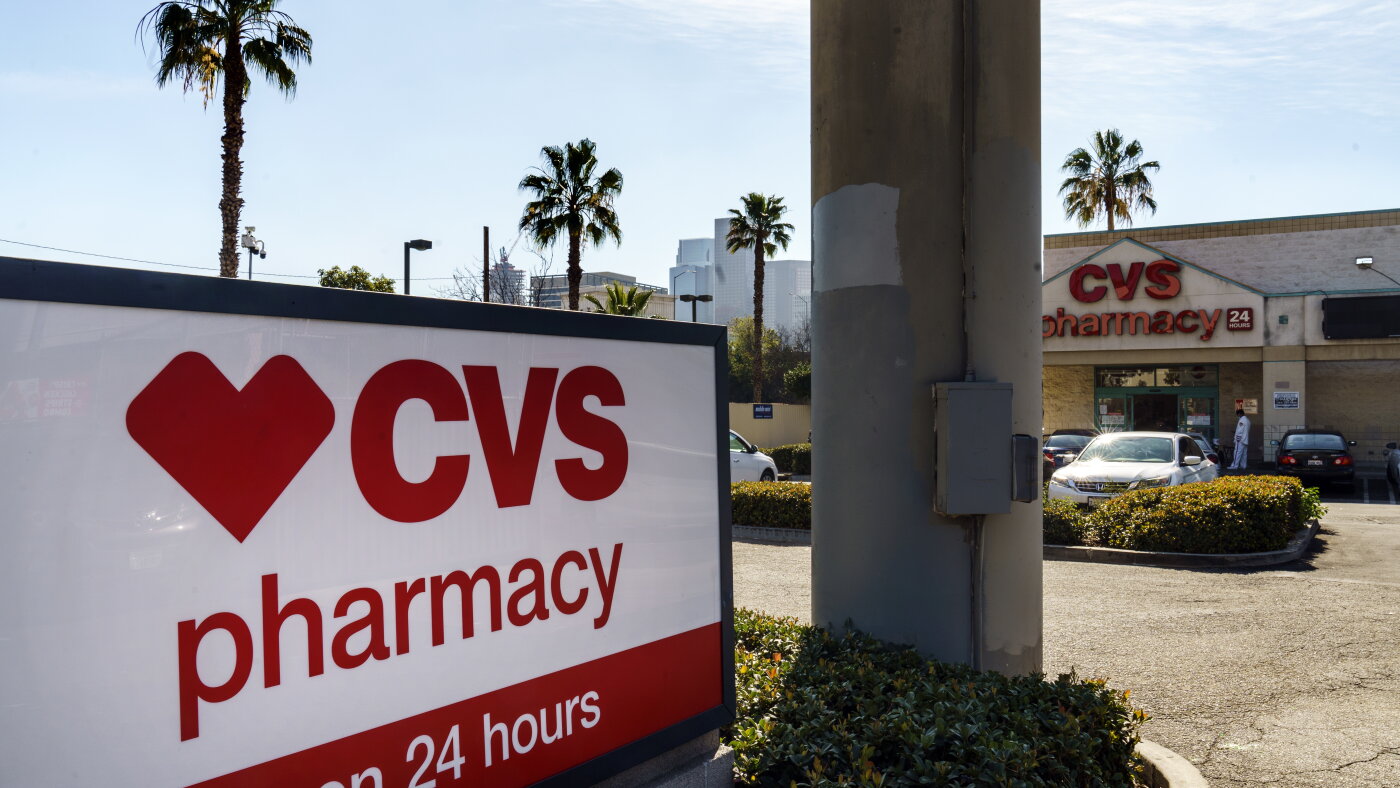
In a seismic shift poised to redefine one of America's most recognizable healthcare giants, CVS Health Corporation (NYSE: CVS) has announced its intention to divest its vast retail pharmacy segment. This strategic unbundling represents a profound departure from the company's decade-long quest to build an integrated healthcare empire, marking the emphatic end of its "bigger-is-better" era. The proposed spin-off will create two distinct, publicly traded companies, each better positioned to navigate the complex and evolving healthcare landscape with greater agility and clarity of purpose.
For years, CVS pursued an aggressive strategy of vertical integration, culminating in the blockbuster acquisition of health insurer Aetna for approximately $69 billion in 2018. This followed earlier pivotal moves such as the acquisition of pharmacy benefits manager (PBM) Caremark in 2007, MinuteClinic in 2006, and Omnicare in 2015. The overarching vision was to create a holistic healthcare ecosystem, seamlessly connecting retail pharmacy, PBM services, and health insurance to drive efficiencies, improve patient outcomes, and capture a larger share of the healthcare dollar. This ambitious strategy was predicated on the belief that scale and diversified offerings would yield unparalleled competitive advantages and superior `enterprise ROI`.
However, the promised synergies have proven more elusive than anticipated. Integrating disparate business lines, each with its own operational complexities, technological `infrastructure scalability` demands, and distinct `regulatory compliance` burdens, presented significant challenges. The retail pharmacy arm, while a household name, faces intense competition from online retailers like Amazon, discounters, and evolving patient expectations. Its traditional brick-and-mortar model, burdened by high overheads and relatively thin margins on prescription fulfillment, often masked the stronger performance of the PBM and insurance segments. This structural drag on overall `valuation multiples` has increasingly concerned investors.
Catalytic Events & The Imperative for Change
Several converging factors have catalyzed CVS's decision to break up its conglomerate structure:
- Market Pressure & Shareholder Value: Despite being a robust cash generator, CVS's stock has often traded at a discount compared to more focused healthcare peers. Analysts and activist investors have increasingly argued that the complexity of the integrated model obscured the true value of its individual components. A spin-off is a classic strategy to "unlock value" by allowing investors to separately evaluate and invest in distinct business models, potentially leading to higher `valuation multiples` for both entities.
- Regulatory Scrutiny: The integrated healthcare model, particularly the PBM segment, has faced intense `regulatory compliance` scrutiny from both federal and state governments regarding drug pricing practices, transparency, and competitive impact. The sheer size and interconnectedness of CVS's operations amplified these concerns, making comprehensive `risk mitigation` strategies increasingly difficult across the entire enterprise.
- Competitive Landscape: The entry of tech giants and innovative startups into healthcare, coupled with aggressive moves from traditional competitors, has reshaped the playing field. CVS's ability to innovate rapidly and allocate `capital allocation` efficiently across its vast portfolio has been challenged by its own structural inertia. Focused entities can respond more nimbly to market shifts.
- Operational Efficiency & `Infrastructure Scalability`: Running a massive retail chain, a sophisticated PBM, and a national insurance provider under one roof has presented considerable operational challenges. From disparate IT systems to distinct corporate cultures, achieving true `infrastructure scalability` and seamless integration proved an ongoing uphill battle. The separation will allow each entity to tailor its operational strategies and leverage specialized `cloud compute architecture` and data analytics platforms specific to its core business, rather than trying to fit all into a single, often compromised, framework.
Verified Data / Metrics Breakdown
To understand the rationale behind CVS's unbundling, it's crucial to examine the company's strategic evolution and the impact of its major acquisitions.
| Key Strategic Milestones | Year | Acquisition/Initiative | Approx. Value (USD) | Strategic Rationale | Current Status / Impact |
|---|---|---|---|---|---|
| Initial Diversification | 2006 | MinuteClinic | Undisclosed (part of CVS) | Entry into convenient care, expanded clinical services. | Integrated within existing retail footprint. Likely to remain with new retail entity. |
| PBM Integration | 2007 | Caremark Rx | $21 Billion | Vertical integration into pharmacy benefits management. Foundation of CVS Caremark. | Core of remaining CVS Health post-spinoff. Strong `enterprise ROI` driver. |
| Long-Term Care | 2015 | Omnicare | $12.7 Billion | Expansion into pharmacy services for long-term care facilities. | Performance mixed, challenging integration. Likely to be retained by core CVS Health. |
| Health Insurance Vertical | 2018 | Aetna | $69 Billion | Full-scale integration of health insurance with PBM and retail. Aimed for comprehensive care delivery. | Core of remaining CVS Health post-spinoff. Expected to drive future growth. |
| Current Strategy Shift | Trending Now | Retail Drugstore Spinoff | N/A (Divestment) | Unlocking shareholder value, optimizing `capital allocation`, improving `valuation multiples` for focused entities. | Creates two independent, publicly traded companies. |
Industry & Market Implications
The ramifications of CVS's decision will ripple across the healthcare and financial markets:
- For CVS Health (post-spinoff): The remaining entity, focused on Aetna and CVS Caremark PBM, will be positioned as a pure-play integrated health services provider. This could lead to a re-rating of its stock, as investors apply higher `valuation multiples` to its more predictable, high-margin insurance and PBM businesses. The ability to deploy `capital allocation` more strategically into growth areas like digital health, home care, and value-based care models will be significantly enhanced.
- For the Spun-Off Drugstore Entity: This new company will be freed from the demands of a complex conglomerate. It can focus solely on optimizing its retail footprint, enhancing the customer experience, exploring new revenue streams (e.g., advanced clinical services within pharmacies), and addressing the competitive challenges of the retail landscape directly. It will need to demonstrate strong `enterprise ROI` potential to attract investors independently. Its strategic moves will heavily influence `market liquidity` for pharmacy-focused equities.
- For Competitors: Rival PBMs, insurers, and retail pharmacy chains will be watching closely. This move could either embolden other diversified healthcare giants to consider similar unbundling or reinforce their existing strategies if they believe their synergies are truly working. It highlights the growing pressure on integrated models to deliver tangible, measurable value.
- For Consumers: The long-term impact on consumers remains to be seen. Theoretically, more focused companies could lead to greater innovation and efficiency, potentially translating to better services and more competitive pricing. However, any major restructuring involves transitional risks.
- Broader Economic Impact: This high-profile divestiture could signal a broader trend of corporate unwinding in sectors where diversification has become a liability rather than an asset. It underscores the financial markets' demand for transparency, accountability, and demonstrable `enterprise ROI` from complex structures, influencing `capital allocation` decisions across major industries.
People Also Ask (FAQ)
Why is CVS splitting off its drugstore business now, after years of integration?
CVS's decision to split off its drugstore business is primarily driven by a need to unlock shareholder value and optimize strategic focus. The integrated "bigger-is-better" strategy, while ambitious, led to challenges in achieving consistent `enterprise ROI` across all segments. The retail pharmacy business, facing thin margins and intense competition, often masked the stronger performance and growth potential of the PBM (CVS Caremark) and insurance (Aetna) arms. By separating, each entity can pursue distinct `capital allocation` strategies, attract investors keen on specific business models, and address sector-specific competitive and `regulatory compliance` pressures more effectively. This unbundling aims to improve `valuation multiples` for both businesses by allowing them to be assessed on their own merits.
How will a CVS drugstore spinoff impact shareholders and consumers?
For shareholders, the spinoff is typically structured to be tax-free, with existing CVS Health shareholders receiving shares in the new retail pharmacy company in proportion to their current holdings. This is expected to unlock value by allowing the market to assign distinct, potentially higher, `valuation multiples` to each focused entity. For consumers, the immediate impact may be minimal, as the drugstores will continue to operate under their familiar branding. In the long term, a more focused retail entity could lead to innovations in pharmacy services, enhanced customer experiences, or more competitive pricing as it strives to differentiate itself. Conversely, it could also lead to further cost-cutting measures or strategic repositioning of services, depending on the new management's direction and `capital allocation` priorities.
What are the regulatory implications of CVS's proposed restructuring?
The proposed restructuring will necessitate significant `regulatory compliance` approvals from various federal and state bodies, including securities regulators (for the public offering of the new entity) and potentially healthcare regulators. While the separation aims to reduce the overall complexity of a conglomerate, particularly in the context of antitrust concerns surrounding PBMs and insurers, the spin-off itself will be subject to thorough review. Regulators will scrutinize the terms of separation, any ongoing contractual relationships between the two new companies, and the potential impact on market competition. The move might be seen positively by some regulators as it addresses the concentrated market power concerns that arise from extensive vertical integration in healthcare.
How does CVS's strategy shift compare to other healthcare conglomerates or diversified firms?
CVS's strategic unbundling mirrors a growing trend among large, diversified conglomerates, not just in healthcare but across various industries. Companies like GE, Johnson & Johnson, and UnitedHealth Group (though the latter remains highly integrated) have faced similar pressures to streamline operations and unlock shareholder value. The rationale is often consistent: market demands for clarity, improved `capital allocation` efficiency, better `enterprise ROI` visibility, and the ability to mitigate `risk mitigation` more effectively across distinct business lines. In healthcare specifically, the challenges of `infrastructure scalability` and complex `regulatory compliance` have made the "bigger-is-better" model increasingly difficult to manage and justify from a financial perspective. This move by CVS could prompt other integrated healthcare players to re-evaluate their own structures.
Future Outlook: What Comes Next
The path ahead for CVS Health and its soon-to-be independent drugstore entity will be closely watched. Key milestones to observe include:
- Shareholder Approval and Regulatory Filings: The successful execution of the spin-off is contingent on shareholder approval and navigating complex regulatory hurdles. Detailed filings will provide deeper insights into the new company's capital structure and management team.
- Leadership & Strategy for the New RetailCo: The appointment of a dedicated CEO and executive team for the spun-off retail business will be critical. Their strategic vision for revitalizing the traditional drugstore model, potentially leveraging advanced `cloud compute architecture` for inventory and customer analytics, will define its future.
- Financial Performance & `Market Liquidity`: Post-spinoff, the market will rigorously assess the independent financial performance of both entities. The initial `market liquidity` and `valuation multiples` for the new retail company will be a critical indicator of investor confidence in the focused strategy.
- Innovation & Competitive Response: Both the streamlined CVS Health and the new retail entity will need to demonstrate sustained innovation to fend off competition and deliver on their focused promises. This includes further investment in digital health services, personalized care models, and potentially new formats for pharmacy delivery.
This bold strategic move by CVS Health signals a new chapter, not just for the company, but for the broader healthcare industry. It's a clear indication that in an era of rapid technological advancement, intense competition, and stringent `regulatory compliance`, strategic focus and optimized `capital allocation` are increasingly prioritized over sheer scale.


