Executive Takeaways
- Paradigm Shift in Provenance: Recent radiometric and geochemical analyses have conclusively disproven the long-held geological assumption that Stonehenge’s iconic Altar Stone originated in the Welsh Old Red Sandstone sequence of the Anglo-Welsh Basin.
- Geographic Horizon Narrows: Advanced mineralogical profiling—focusing on zircon age signatures and high-resolution spectroscopy—points toward remote, ancient sedimentary basins, redirecting archaeological focus toward northern Britain or offshore marine zones.
- Capital Allocation and Research Infrastructure: The ongoing investigation highlights the critical intersection of heritage asset management, public-sector capital allocation, and high-precision analytical instrumentation essential for modern interdisciplinary archaeology.
- Commercial and Tourism Impacts: As the search parameters narrow, global cultural tourism metrics and regional economic valuations are poised for a significant uplift, driving enhanced stakeholder interest across heritage infrastructure.
For centuries, the silent giants of Salisbury Plain have commanded the global imagination, serving as a monument to prehistoric engineering, astronomical calculation, and complex societal organization. Yet, beneath the gaze of millions of annual visitors, one monolithic puzzle has stubbornly resisted easy categorization: the Altar Stone. Lying flat and half-buried at the heart of the iconic stone circle, this six-tonne greenish sandstone block has long been treated as an outlier. Now, a confluence of cutting-edge geochemical analyses, mass spectrometry, and rigorous mineralogical mapping has upended orthodox archaeological assumptions, deepening the mystery of its origins just as the search field begins to narrow.
In the high-stakes realm of archaeological research—where resource allocation, grant distribution, and academic prestige often mirror corporate risk mitigation—this revelation marks a watershed moment. For decades, consensus dictated that while the smaller bluestones originated in the Preseli Hills of Pembrokeshire, Wales, the larger sarsens came from the Marlborough Downs. The Altar Stone, assumed to be part of the Welsh migration, has now been decoupled from that narrative entirely. The strategic implications of this shift extend far beyond academic journals, reverberating across cultural resource management, high-performance analytical testing laboratories, and the global tourism economy.
The Catalytic Discovery: Shattering the Welsh Paradigm
Test Our Free AI & Tech Utilities Suite
Calculate LLM API token costs, analyze article dwell-time, or simulate tech DCA returns.

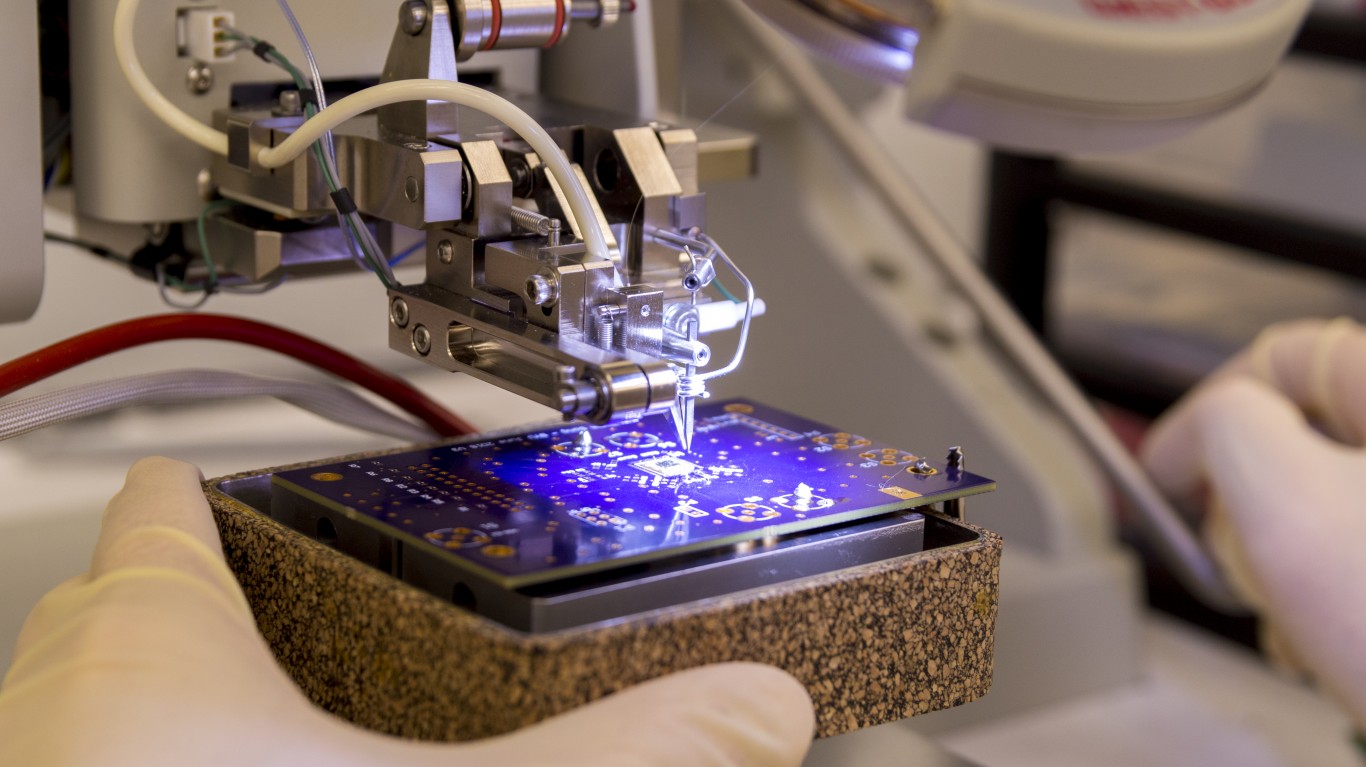
The journey toward redefining the Altar Stone’s provenance accelerated when a multidisciplinary team of geologists and archaeologists applied high-precision detrital zircon geochronology to core samples extracted from the monument. Zircons are microscopic mineral time-capsules; their uranium-lead isotopic ratios yield precise crystallization ages, creating a unique geological fingerprint that acts much like a