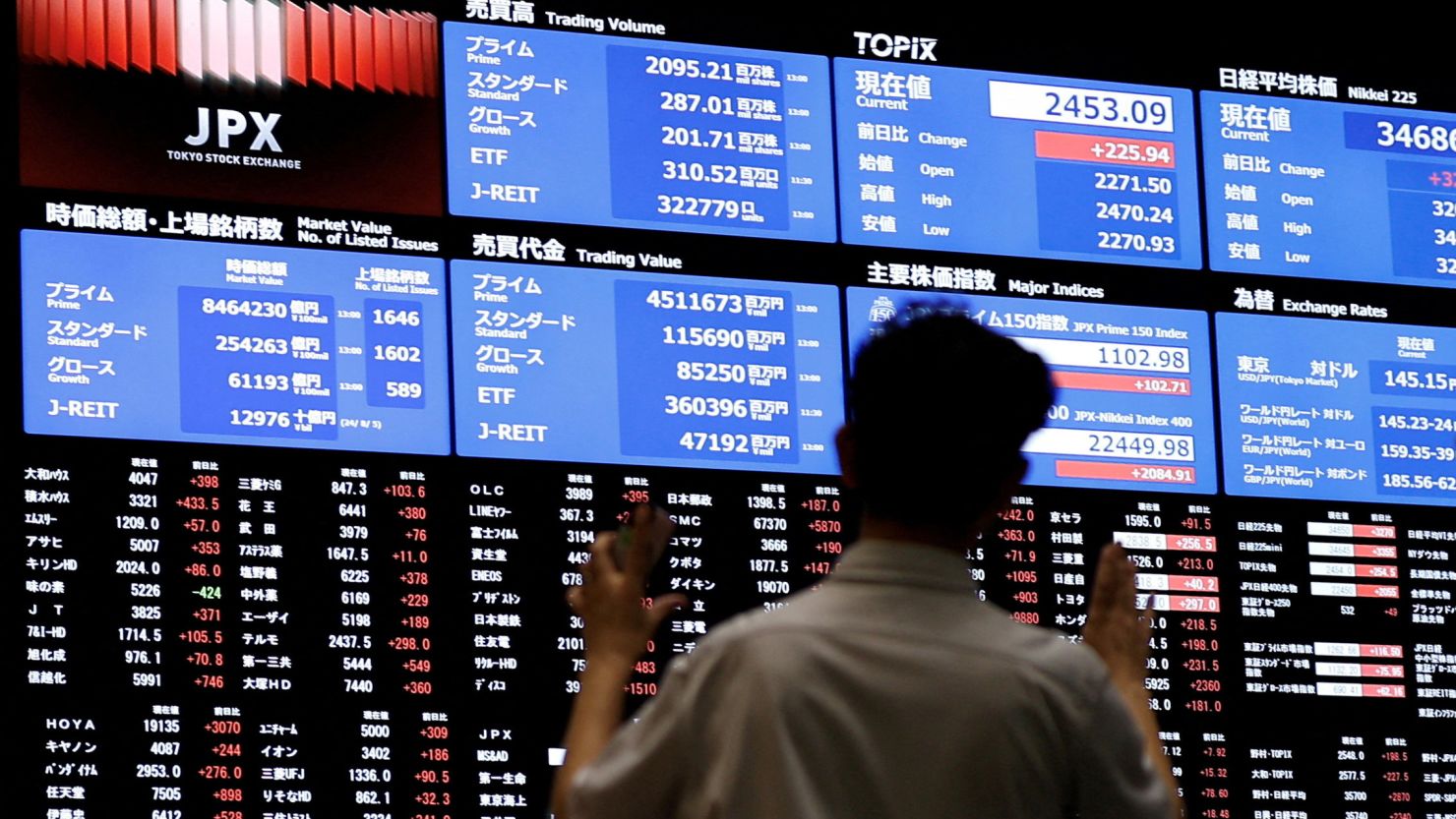
WASHINGTON, NEW YORK, AND LONDON — Global financial markets have weathered one of the most volatile and structurally complex trading weeks in recent memory, as a high-stakes collision of geopolitical realignment, relentless artificial intelligence infrastructure spending, and shifting macroeconomic indicators forced institutional portfolio managers into aggressive risk mitigation strategies.
For weeks, institutional capital allocators have attempted to price in a moving target of overlapping variables: monetary policy divergence across G7 central banks, legislative maneuvering ahead of pivotal electoral cycles, and an unrelenting corporate spending cycle centered on generative artificial intelligence. Over the past five trading sessions, however, these parallel narratives converged into a single, high-frequency stress test for global equities, fixed-income yields, and currency liquidity.
The resulting dislocation has redefined valuation multiples across the technology and industrial sectors while injecting fresh uncertainty into corporate treasury operations. As chief executive officers and chief investment officers recalibrate their capital allocation strategies for the remainder of the fiscal year, the market is confronting an uncomfortable question: Can corporate earnings growth outpace the escalating costs of technological transformation amid mounting macroeconomic headwinds?
Executive Takeaways
Test Our Free AI & Tech Utilities Suite
Calculate LLM API token costs, analyze article dwell-time, or simulate tech DCA returns.
- Multi-Factor Market Volatility: A rare convergence of macroeconomic data releases, regulatory scrutiny on AI capital expenditure, and geopolitical shifts has triggered heightened volatility across global asset classes.
- Infrastructure Scalability Realities: Enterprise technology buyers and cloud service providers are facing soaring costs for cloud compute architecture, prompting a sharper focus on true enterprise ROI over speculative development.
- Monetary Policy Uncertainty: Bond markets continue to reprice term premiums as sticky inflation metrics clash with shifting political pressures on central bank independence.
- Strategic Portfolio Shifts: Institutional investors are aggressively rotating out of high-beta growth equities into defensive assets, liquidity-rich balance sheets, and dividend-paying sectors.
The Catalytic Convergence: Politics, Code, and Capital

To understand the root causes of the current market turbulence, financial analysts must examine how three distinct structural pillars—fiscal policy, technological transformation, and monetary tightening—collided simultaneously. Historically, market corrections are driven by a single dominant catalyst, such as a monetary tightening cycle or a geopolitical shock. This week, however, market microstructure was tested by a multi-front assault on traditional valuation models.
On the political front, legislative debates in major Western economies have increasingly targeted technology conglomerates, energy markets, and international trade routes. Proposed regulatory frameworks concerning algorithmic transparency, cross-border data sovereignty, and antitrust enforcement have injected a significant compliance premium into equity valuations. Institutional investors are no longer evaluating tech giants solely on top-line revenue growth and margin expansion; regulatory compliance and potential structural breakups are now heavily weighted variables in discounted cash flow (DCF) models.
Simultaneously, the artificial intelligence boom has entered a critical maturity phase. Hyperscale cloud providers have committed hundreds of billions of dollars to capital expenditures, securing specialized hardware, high-performance GPUs, and massive energy contracts to support data center expansion. While the long-term vision of ubiquitous enterprise automation remains intact, Wall Street is demanding proof of execution. Chief financial officers are scrutinizing cloud compute architecture and energy provisioning constraints, questioning whether near-term enterprise ROI justifies the unprecedented scale of capital expenditure.
Adding to the complexity, macroeconomic data releases have painted a fractured picture of global economic health. Persistent labor market resilience in the United States, combined with sticky core inflation metrics, has forced interest rate futures traders to dial back expectations for aggressive central bank easing. Higher-for-longer borrowing costs, paired with tightening market liquidity, have created a hostile environment for unprofitable growth companies, forcing a severe re-rating across venture capital and private equity portfolios.
Verified Data and Metrics Breakdown
The following table outlines the key quantitative indicators, asset class movements, and macroeconomic benchmarks driving the current market environment:
| Metric / Indicator | Current Status / Level | Quarterly Trend | Market Implication |
|---|---|---|---|
| S&P 500 Information Technology Sector P/E | ~28.5x Trailing | Contraction (-3.2%) | Valuation multiples compressing as earnings growth expectations normalize. |
| U.S. 10-Year Treasury Yield | 4.28% | Upward Pressure (+18 bps) | Increases corporate borrowing costs and pressures equity discount rates. |
| Hyperscale AI Capital Expenditure (Q3) | $52.4 Billion (Aggregate) | Accelerating (+14%) | Intensifies cash burn concerns while benefiting semiconductor foundries. |
| CBOE Volatility Index (VIX) | 21.4 | Spiking (+24%) | Reflects heightened hedging
Prime Media Editorial Policy: This reporting adheres to our strict accuracy, independent verification, and conflict-of-interest standards. Have a correction or news tip? Reach our Corrections Desk.
RECOMMENDED FOR YOUTRENDING STORIES |