
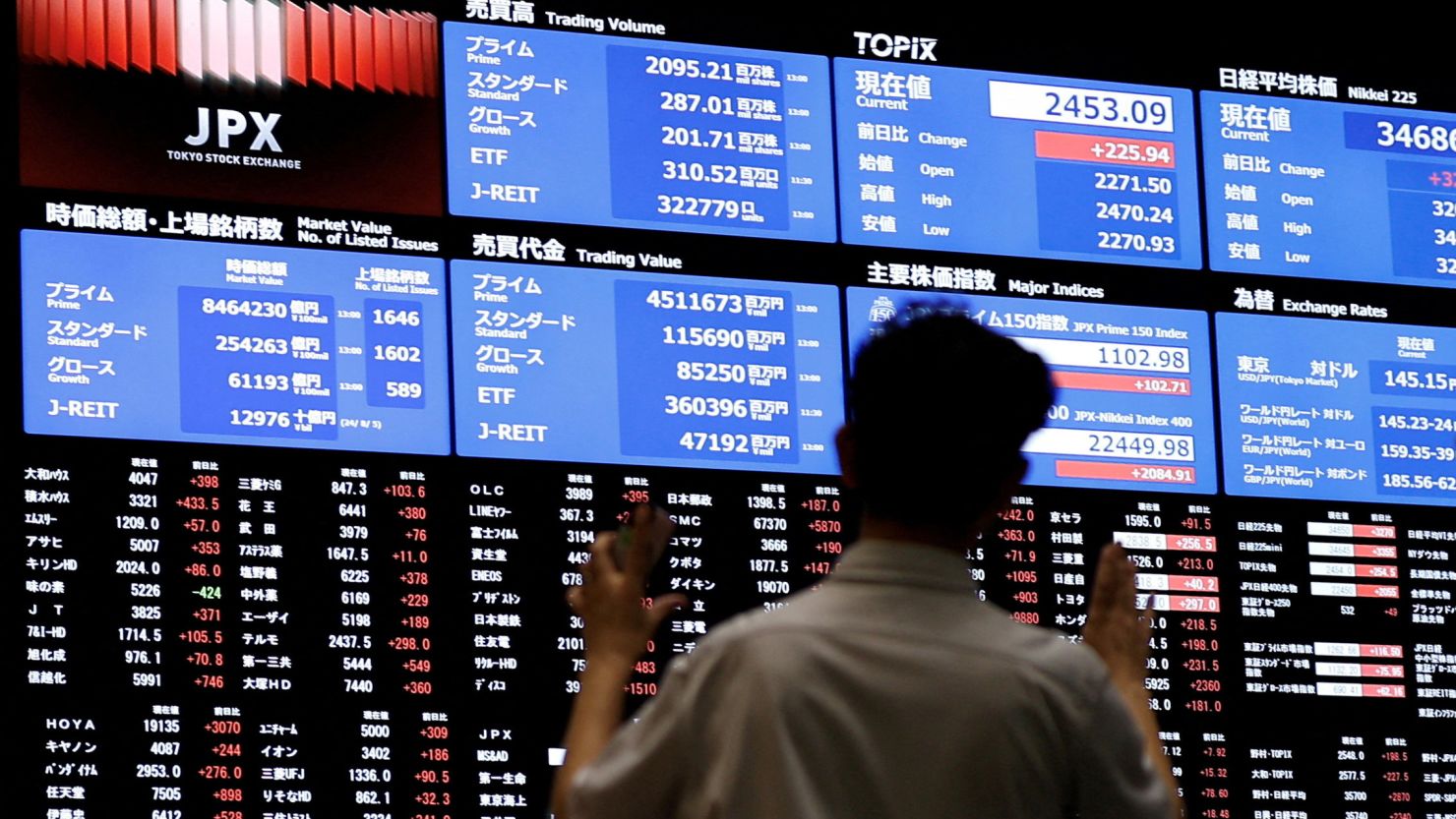
HONG KONG, TOKYO, SINGAPORE — Global capital markets experienced a profound realignment following the decisive outcome of the United States presidential election. Asian stock indices surged during early trading sessions, buoyed by immediate risk-on sentiment and reduced political uncertainty. Simultaneously, international benchmark crude oil prices suffered a sharp sell-off, driven by expectations of altered energy policies, increased domestic production, and shifting macroeconomic fundamentals. Institutional asset managers, sovereign wealth funds, and corporate treasurers are rapidly recalibrating their portfolio weightings, assessing valuation multiples, and adjusting risk mitigation strategies to navigate this high-volatility environment.
Executive Takeaways
Test Our Free AI & Tech Utilities Suite
Calculate LLM API token costs, analyze article dwell-time, or simulate tech DCA returns.
- Equities Surge: Major Asian benchmarks, led by the Nikkei 225, Hang Seng, and Kospi, posted substantial gains as market participants digested the U.S. election outcome and its implications for corporate taxation and global trade.
- Energy Deficit: Crude oil futures experienced downward pressure, with Brent and WTI sliding significantly on forecasts of expanded U.S. fossil fuel extraction and potential demand-side adjustments.
- Capital Allocation Shift: Institutional investors are aggressively rotating portfolios away from defensive assets toward cyclical equities, technology infrastructure, and high-beta emerging market plays.
- Liquidity & Volatility: Central banks across the Asia-Pacific region are closely monitoring currency fluctuations and market liquidity to prevent disorderly foreign exchange movements.
The Catalytic Event: Decisive U.S. Election Results and Market Reaction

The resolution of the U.S. presidential election removed a primary layer of systemic uncertainty that had overshadowed global capital markets for quarters. Financial institutions and institutional allocators had previously maintained defensive positioning, keeping cash reserves elevated while hedging against prolonged electoral disputes or policy gridlock. Once the electoral outcome became clear, the release of pent-up market liquidity triggered an aggressive relief rally across Asian bourses.
From a macroeconomic perspective, the anticipated policy mix of pro-growth deregulation, potential corporate tax extensions, and domestic energy independence resonated favorably with equity investors. In Tokyo, the Nikkei 225 climbed sharply as a weakening local currency bolstered the export competitiveness of multinational industrial and technology conglomerates. In Hong Kong and mainland China, equities rallied despite lingering structural concerns over domestic real estate, as global funds re-engaged with undervalued Chinese tech giants and consumer discretionary plays.
However, the most dramatic asset-class divergence occurred in the commodities complex. Energy markets absorbed the news with an immediate bearish repricing. Crude oil benchmarks plummeted as traders priced in a scenario of ramped-up domestic U.S. oil and gas production—encapsulated by the famous "drill, baby, drill" policy mantra. This anticipated surge in supply, coupled with concerns regarding global manufacturing momentum, overwhelmed OPEC+ supply management efforts and sent shockwaves through energy-linked equities and currencies.
Verified Data & Metrics Breakdown
| Market / Asset Class | Pre-Election Baseline | Post-Election Movement | Primary Driver |
|---|---|---|---|
| Nikkei 225 (Japan) | Range-bound | +2.4% Surge | FX depreciation, tech sector buying |
| Brent Crude (Global) | $75.50 / bbl | -3.2% Decline | U.S. supply expansion forecasts |
| Hang Seng Index (Hong Kong) | Depressed | +1.8% Recovery | Global risk-on sentiment spillover |
| WTI Crude (U.S.) | $71.80 / bbl | -3.5% Decline | Macro demand fears & inventory data |
Industry & Market Implications: Winners, Losers, and Economic Realities
The post-election market structure creates clear bifurcation across sectors, fundamentally altering corporate finance dynamics, infrastructure scalability investments, and enterprise ROI calculations.
The Winners: Technology, Industrials, and Net-Energy Importers
Asian economies that rely heavily on imported energy—most notably India, South Korea, and Japan—rejoiced at the slide in crude oil prices. Lower energy input costs serve as an effective tax cut for manufacturing sectors, squeezing out inflationary pressures and protecting corporate operating margins. Furthermore, multinational semiconductor manufacturers, cloud compute architecture providers, and hardware exporters benefited from a surging U.S. equity complex that spilled over into regional tech shares. Venture capital and private equity firms are observing renewed market liquidity, signaling potential thawing in cross-border M&A and initial public offerings.
The Losers: State-Owned Energy Producers and Renewable Infrastructure
Conversely, upstream oil and gas exploration companies in Asia faced severe selling pressure. State-backed energy giants in emerging markets saw their equity valuations re-priced to account for lower global crude realizations. Additionally, clean energy and green tech manufacturers in Asia—who previously anticipated robust U.S. subsidies under continuation of prior administration policies—faced headwinds. Investors are currently recalculating regulatory compliance costs, enterprise valuations, and long-term capital allocation strategies for ESG-focused portfolios.
Frequently Asked Questions (People Also Answered)
Why did Asian stocks rise immediately following the U.S. election?
Asian equities rallied primarily due to the removal of electoral ambiguity, which had caused heightened market anxiety. The decisive outcome cleared the path for risk-on capital deployment. Additionally, expectations of pro-business tax policies, deregulation, and stable U.S. trade engagement provided a psychological and fundamental boost to export-oriented Asian economies.
What caused the sharp decline in crude oil prices post-vote?
Crude oil prices slid due to macroeconomic expectations that the incoming U.S. administration will aggressively promote domestic fossil fuel production, increasing global supply. Traders also factored in potential demand moderation and geopolitical shifts that could alter existing sanction enforcement on major oil exporters.
How does lower oil impact Asian manufacturing and central banks?
For net energy importers like Japan, South Korea, and India, falling oil prices reduce production costs, improve trade deficits, and dampen domestic inflation. This gives central banks in the region greater flexibility to maintain accommodative monetary policies or consider interest rate adjustments without fueling runaway price spikes.
Are institutional investors altering their long-term asset allocation?
Yes. Portfolio managers are aggressively rotating out of defensive havens and high-cost energy assets into cyclical growth stocks, technology hardware, and regional financial institutions. Risk mitigation strategies are being updated to account for potential currency volatility and shifting trade tariffs.
Future Outlook: Strategic Milestones to Watch
As the initial post-election dust settles, institutional focus will shift from headline sentiment to hard economic data and legislative execution. Chief Investment Officers are advising clients to monitor several critical milestones over the coming quarters:
- Cabinet Appointments and Fiscal Policy: The selection of key economic cabinet members will signal the exact trajectory of U.S. tax reform, industrial subsidies, and tariff implementation.
- OPEC+ Production Response: Cartel members will meet to determine whether production quotas will be adjusted to defend price floors in the face of anticipated U.S. supply growth.
- Central Bank Monetary Policy: The Federal Reserve, Bank of Japan, and People's Bank of China will release updated interest rate projections, dictating global market liquidity and bond yields.
- Corporate Earnings Revisions: Q4 earnings calls will provide granular insight into how multinational corporations are managing supply chain adjustments, cloud compute infrastructure spend, and currency hedging.
Ultimately, while the immediate market reaction has rewarded equity bulls and punished energy bears, market participants must remain agile. Volatility will remain a permanent fixture of capital markets as global supply chains and trade frameworks adapt to a new political and economic paradigm.


