Executive Takeaways
Test Our Free AI & Tech Utilities Suite
Calculate LLM API token costs, analyze article dwell-time, or simulate tech DCA returns.
- The Strategic Pivot: Internal friction between Samsung Electronics’ Mobile eXperience (MX) division and its semiconductor foundry arm has reached a critical tipping point over the Galaxy S27 Ultra silicon allocation strategy.
- The 2nm Yield Bottleneck: Samsung Foundry’s proprietary 2nm Gate-All-Around (SF2) process node continues to suffer from sub-40% commercial yields, forcing executive leadership to contemplate an unprecedented move: outsourcing Exynos 2700 fabrication to rival Taiwan Semiconductor Manufacturing Co. (TSMC).
- Margin Pressure & Valuation Impact: Sole-sourcing Qualcomm’s next-generation Snapdragon flagship processor across 100% of the Galaxy S27 Ultra fleet risks compressing Samsung MX’s hardware gross margins by an estimated 280 to 350 basis points due to surging Application Processor (AP) average selling prices (ASPs).
- Capital Allocation Shift: Samsung’s potential recalibration of its $12 billion annual foundry capital expenditure highlights systemic challenges in competing with TSMC’s dominant N2 ecosystem, carrying far-reaching consequences for mobile hardware silicon parity and institutional valuation multiples.
The Silicon Crisis: Inside Samsung’s High-Stakes Semiconductor Gamble
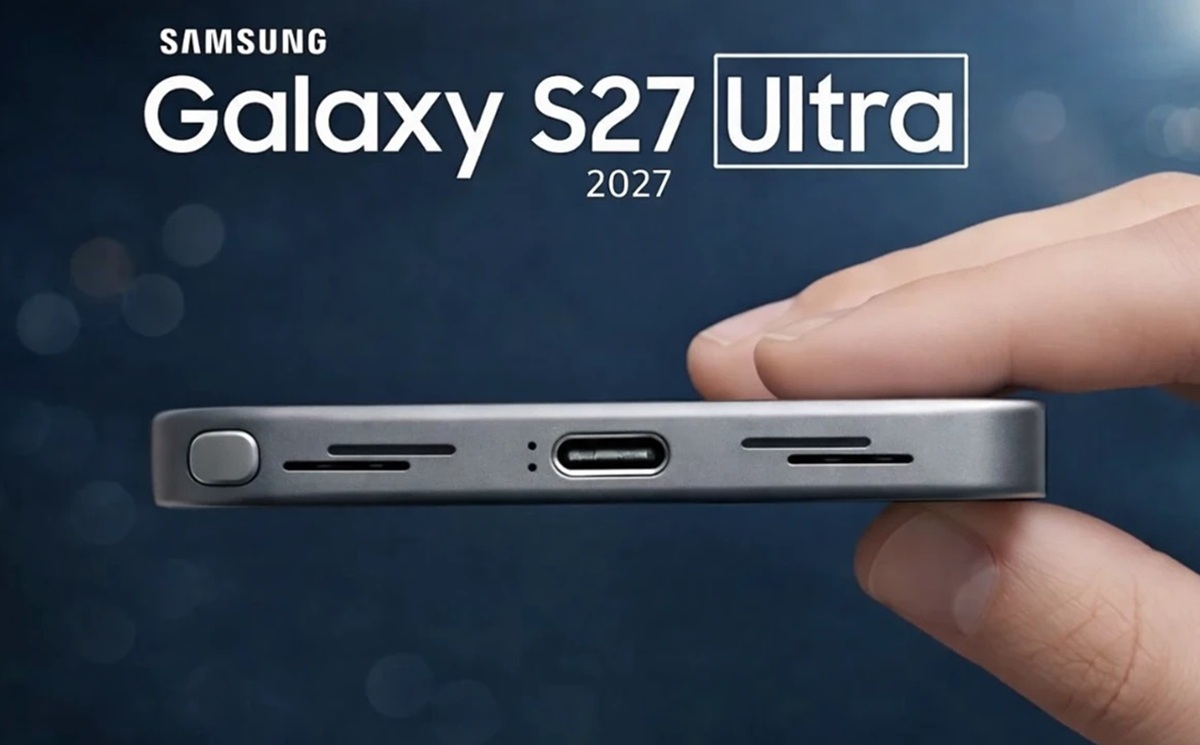
In the high-margin arena of premium mobile hardware, silicon choices dictate not merely device benchmarks, but enterprise profitability, supply chain resiliency, and long-term valuation multiples. For over a decade, Seoul-based tech giant Samsung Electronics Co., Ltd. has maintained a precarious dual-sourcing framework for its flagship smartphone lineup. By deploying its in-house Exynos processors alongside Qualcomm Inc.’s Snapdragon platforms, Samsung historically leveraged internal competition to control component costs, discipline vendor pricing, and showcase its vertically integrated semiconductor foundries.
However, disclosures surrounding the upcoming Galaxy S27 Ultra flagships reveal an intricate structural narrative. According to industry intelligence and recent supply chain updates cited across major tech outlets, including GSMArena, the long-brewing Galaxy S27 Ultra chipset saga has taken an unexpected operational turn. The core issue centers on Samsung's next-generation 2-nanometer (SF2) process node, which relies on advanced Multi-Bridge-Channel FET (MBCFET) Gate-All-Around (GAA) transistor architecture.
While Samsung's System LSI design team has finalized the tape-out for the Exynos 2700—internally codenamed 'Ulysses'—the Samsung Foundry division has struggled to push stable, volume-production wafer yields beyond the critical 50% threshold. For commercial viability in consumer electronics, semiconductor foundries typically require sustained wafer yields above 60% to 65%. Falling below this threshold triggers exponential increases in net die costs, threatening to erase any financial benefit of utilizing in-house silicon.
The Latest Twist: TSMC Offloading and the MX Division’s Ultimatum
The operational divide within Samsung Electronics has rarely been this pronounced. The Mobile eXperience (MX) division, led by President and CEO TM Roh, operates under rigorous margin targets and strict performance requirements to defend its global high-end market share against Apple Inc.’s iPhone Pro lineup. Facing potential thermal throttling, power efficiency deficits, and supply shortfalls in past iterations, the MX division has consistently pushed back against mandatory Exynos integration on top-tier Ultra variants.
The newest development in the S27 Ultra saga revolves around two radical contingency options currently under review by executive leadership in Suwon:
1. The TSMC Outsource Play
In what would mark a watershed moment for the semiconductor industry, Samsung System LSI is actively exploring the feasibility of fabricating the Exynos 2700 on TSMC’s upcoming N2 (2nm-class) node. While this would resolve performance and thermal efficiency disparities against Qualcomm, it represents a severe strategic setback for Samsung Foundry. Such a move would require Samsung to pay premier wafer pricing to its primary manufacturing competitor while leaving its own SF2 lines underutilized.
2. Total Qualcomm Monopoly on the S27 Ultra
Alternatively, Samsung MX may re-engage Qualcomm for an exclusive, worldwide supply agreement for the Galaxy S27 Ultra, utilizing a customized "Snapdragon 8 Gen 6 for Galaxy" mobile platform manufactured on TSMC's 2nm process. While this guarantees market-leading compute, ray tracing, and Neural Processing Unit (NPU) throughput, it grants Qualcomm near-total pricing leverage. Analysts project that Qualcomm’s next-generation 2nm silicon could command an ASP exceeding $240 per unit—a price tag that directly erodes Samsung’s hardware EBITDA.
Comparative Silicon Economics & Yield Analysis
To quantify the financial and operational trade-offs governing Samsung’s executive board decisions, the following data matrix outlines the estimated unit economics, lithographic process constraints, and financial margin impacts across potential Galaxy S27 Ultra silicon configurations:
| Configuration Strategy | Primary Process Node | Est. Wafer Yield (%) | Estimated AP ASP ($ USD) | Impact on MX Gross Margin | Foundry Fab Utilization |
|---|---|---|---|---|---|
| Dual-Source: Exynos 2700 (SF2) + Snapdragon (TSMC N2) | Samsung SF2 / TSMC N2 | 38% (SF2) / 68% (N2) | $185 (Avg Weighted) | Neutral (-40 bps) | Moderate (Sub-Optimal) |
| 100% Qualcomm Snapdragon 8 Gen 6 | TSMC N2 (Custom) | 70% (TSMC N2) | $240 - $255 | Severe Contraction (-310 bps) | Low (Mobile Flagship) |
| Outsourced Exynos: Exynos 2700 (TSMC N2) | TSMC N2 | 65% - 70% | $195 - $210 | Moderate Contraction (-120 bps) | Zero (Internal Fab Loss) |
| Full In-House Deployment (Exynos 2700 Worldwide) | Samsung SF2 | 42% (Targeted) | $140 (Internal Cost) | Expansion (+220 bps)* | High (100% Capacity) |
*Note: Theoretical margin expansion under full internal deployment is contingent on resolving yield bottlenecks to avoid high scrap rates. Data compiled via equity research consensus and supply chain channel checks.
Macroeconomic and Enterprise Market Implications
The operational friction surrounding the Galaxy S27 Ultra extends far beyond consumer tech specs; it carries systemic financial implications for the global technology ecosystem:
1. Capital Allocation and Fab ROIC
Samsung Electronics has committed tens of billions of dollars toward its semiconductor vision, including advanced fab installations in Taylor, Texas, and Hwaseong, South Korea. If the MX division completely bypasses Samsung Foundry's SF2 process for its premier flagship product, the Return on Invested Capital (ROIC) for these multi-billion-dollar facilities will face severe downward revisions. Institutional investors are watching whether Samsung can maintain its dual-track business model without sacrificing capital efficiency.
2. The Qualcomm Pricing Monopsony Vulnerability
Qualcomm’s dominance in the ultra-premium mobile SoC (System-on-Chip) space has given it immense pricing power. As mobile platforms increasingly integrate complex on-device Generative AI models requiring high-bandwidth memory (LPDDR5X/LPDDR6) controllers and expanded NPU clusters, chip die sizes are growing. Without a credible Exynos platform acting as a cost hedge, Samsung's leverage in annual contract negotiations with Qualcomm is significantly weakened.
3. TSMC's Deepening Monopoly at 2nm
If Samsung System LSI ultimately outsources Exynos 2700 production to TSMC, it further cements the Taiwanese foundry's virtual monopoly over advanced leading-edge nodes. TSMC’s pricing power for its N2 and N2P wafers—reportedly exceeding $22,000 per wafer—will allow TSMC to capture an even larger share of total semiconductor industry profits, squeezing downstream original equipment manufacturers (OEMs).
Frequently Asked Questions (People Also Ask)
Why is the Galaxy S27 Ultra chipset choice so critical for Samsung?
The Galaxy S27 Ultra serves as Samsung’s technology showcase and top margin driver within its mobile business. Choosing between an in-house Exynos processor and a Qualcomm Snapdragon processor directly impacts device performance, battery life, camera signal processing, unit manufacturing costs, and overall profitability. Relying entirely on Qualcomm increases component costs, while using an underperforming Exynos processor risks brand equity and market share loss to competitors like Apple.
What is the core issue with Samsung’s 2nm (SF2) foundry node?
The primary challenge involves manufacturing yield rates. Producing leading-edge chips requires a high percentage of non-defective dies per silicon wafer. Samsung’s SF2 process node, which utilizes advanced Gate-All-Around (GAA) transistor architecture, has struggled to reach the 60%+ commercial yield threshold necessary for high-volume, cost-effective mass production. Low yields raise manufacturing costs and limit total chip supply.
Could Samsung actually outsource its own Exynos chip to TSMC?
While historically unlikely due to corporate rivalry and vertical integration strategies, it is technically and contractually feasible. System LSI operates as a fabless design house distinct from Samsung Foundry. If Samsung Foundry cannot deliver competitive yields or performance metrics on its 2nm node, System LSI may be forced to contract TSMC to produce the Exynos 2700 to ensure the chip meets performance targets for flagship smartphones.
How will this chipset saga impact the retail price of the Galaxy S27 Ultra?
If Samsung is forced to use Qualcomm's Snapdragon processors exclusively across all global regions, the high average selling price (ASP) of Qualcomm's 2nm silicon will increase bill-of-materials (BOM) costs. To maintain gross operating margins, Samsung would face two choices: absorb the cost increase—reducing hardware profitability—or pass the cost onto consumers through a higher retail MSRP for the Galaxy S27 Ultra.
Future Outlook & Strategic Roadmap
The coming six to nine months represent a critical execution window for Samsung’s executive committee. Key operational checkpoints will dictate the ultimate resolution of the Galaxy S27 Ultra silicon allocation:
- Q3 2025: Mass Production Yield Verification — Samsung Foundry must demonstrate consistent SF2 wafer yield improvements during trial runs to secure any allocation commitment for the S27 series.
- Q4 2025: Silicon Validation & Tape-out Deadlines — System LSI and the MX division must finalize whether the Exynos 2700 will proceed on Samsung's SF2 node, transition to TSMC N2, or be sidelined entirely for the Ultra variant.
- Q1 2026: Contract Finalization with Qualcomm — Final procurement terms and pricing structures for the custom Snapdragon 8 Gen 6 platform will be locked in, establishing the bill-of-materials baseline for the S27 flagship lineup.
Whether Samsung succeeds in stabilizing its 2nm GAA process or pivots toward an external manufacturing strategy, the outcome will redefine the strategic relationship between its mobile design, chip architecture, and foundry manufacturing arms—shaping the competitive dynamics of the semiconductor industry for years to come.