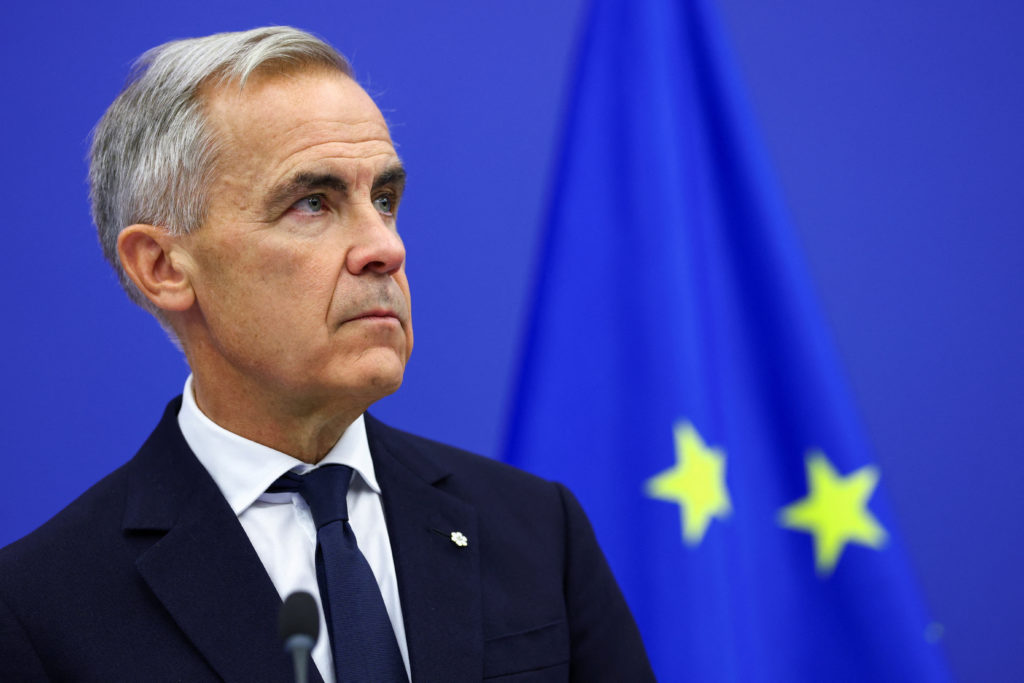
Brussels Plays Its Trump Card: Von der Leyen Pitches Canada as EU’s First-Ever Associate Member
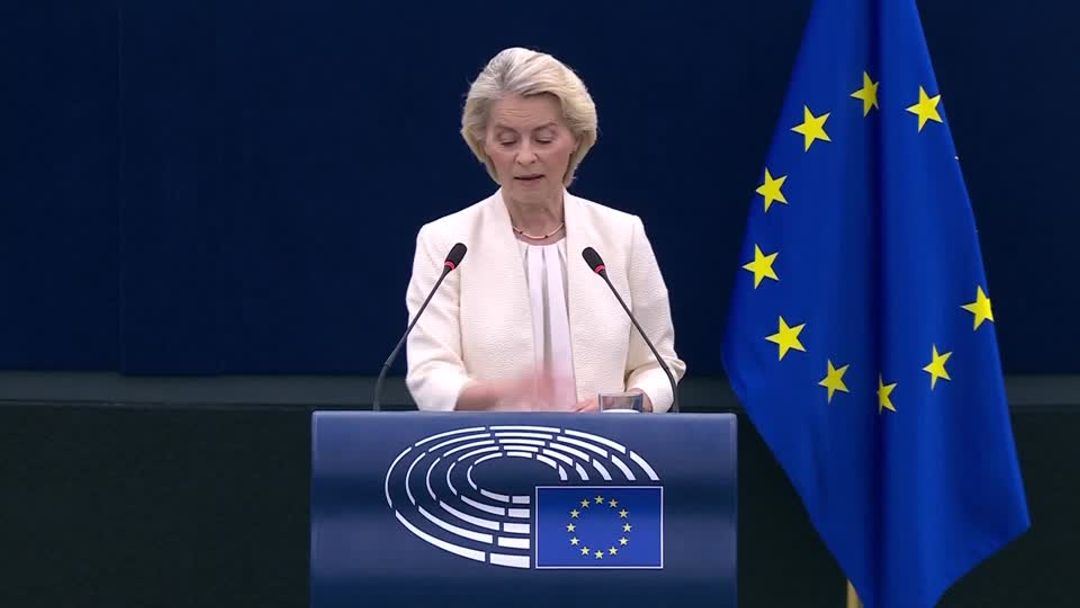
BRUSSELS/OTTAWA — In a sweeping geopolitical pivot that sent shockwaves through Western capitals, European Commission President Ursula von der Leyen has formally proposed making Canada the European Union’s very first associate member. Unveiled during a high-stakes address on Wednesday, the audacious diplomatic maneuver triggered a rare, rapturous standing ovation from EU lawmakers, signaling a united front among traditional allies facing mounting systemic pressures.
The push to draw Ottawa closer into the Brussels fold is far from an arbitrary administrative expansion. According to senior diplomatic insiders, the initiative is a calculated strategic defense against escalating trade hostilities, shifting transatlantic dynamics under a resurgent Donald Trump administration, and mounting economic coercion from Beijing. By anchoring North America's northern economic powerhouse to the world’s largest single market, Brussels and Ottawa are drafting a new blueprint for Western resilience.
A Groundbreaking Pitch to Counter Global Headwinds
Addressing a packed assembly in Brussels, von der Leyen laid bare the realities of a fractured global economy. She emphasized that the rules-based international order, which has underpinned global commerce and security for nearly eight decades, is under severe strain from protectionist trade policies and aggressive geopolitical positioning by authoritarian states.
“We are living in an era where isolation is a vulnerability and fragmentation is fatal,” von der Leyen told lawmakers, who interrupted her address with sustained applause. Framing Canada not merely as a trusted trading partner but as a fundamental pillar of shared democratic values, she argued that the European Union must institutionalize its relationship with Ottawa beyond standard free-trade agreements like CETA (Comprehensive Economic and Trade Agreement).
The concept of "associate membership" is uncharted territory for the 27-nation bloc. While the EU maintains deep partnership treaties with nations like Switzerland, Norway, and the United Kingdom, none hold the formal status of an associate member within this proposed framework. Analysts suggest the designation could grant Canada deeper integration into specific EU regulatory frameworks, security dialogues, and industrial policy initiatives, without requiring full political accession.
Strategic Drivers: The Trump Factor and the China Challenge
The timing of von der Leyen’s announcement is telling. Western capitals are bracing for potential economic turbulence following Donald Trump’s return to the U.S. presidency. Trump’s aggressive stance on global tariffs, skepticism toward traditional alliances like NATO, and transactional approach to international trade have left export-reliant economies scrambling to diversify their partnerships.
Canada, sharing the world’s longest undefended border with the United States, is acutely exposed to shifts in American trade policy. Roughly 75% of Canadian exports head south to the U.S. market. A sudden shift toward sweeping U.S. protectionism could devastate Canadian manufacturing, energy, and agricultural sectors. Aligning more tightly with the EU offers Ottawa a vital economic life raft and a massive counterweight to American leverage.
Simultaneously, both Brussels and Ottawa have faced intense economic coercion from Beijing. From Chinese restrictions on Canadian canola and pork to retaliatory trade measures against European electric vehicles and agricultural products, both jurisdictions have experienced the vulnerabilities of heavy reliance on Chinese supply chains. An EU-Canada associate framework would supercharge joint efforts in critical minerals sourcing, semiconductor manufacturing, and green technology development.
Executive Summary: Key Takeaways for Global Markets
- Historic Proposal: EU chief Ursula von der Leyen has proposed making Canada the bloc's first-ever associate member.
- Enthusiastic Reception: The surprise announcement was met with a rare standing ovation from European lawmakers in Brussels.
- Geopolitical Shield: The initiative is designed to insulate both economies from mounting trade pressures driven by the Trump administration and China.
- Deepened Integration: The move goes beyond the existing CETA trade deal, potentially opening doors to synchronized industrial policies, defense cooperation, and supply chain security.
At a Glance: The Proposed EU-Canada Framework
| Metric / Dimension | Current Status (CETA Era) | Proposed Associate Status |
|---|---|---|
| Primary Focus | Tariff reduction and goods trade | Strategic institutional alignment & supply chain security |
| Geopolitical Driver | Bilateral market expansion | Collective defense against U.S. protectionism & Chinese coercion |
| Regulatory Impact | Mutual recognition agreements | Deeper harmonization on tech, green energy, and critical minerals |
| Political Standing | Strategic partner | First-ever associate member of the European Union |
Ottawa’s Calculus and the Road Ahead
Reaction from Ottawa has been cautiously optimistic, though Canadian Prime Minister Justin Trudeau’s administration faces a complex domestic balancing act. While Canadian business leaders have long championed closer economic ties with Europe to reduce dependency on the U.S. market, critics will scrutinize the potential for increased regulatory entanglement with Brussels.
Furthermore, formal associate membership will require extensive legal, structural, and diplomatic negotiations. Member states within the EU must unanimously approve any new framework of this magnitude, meaning von der Leyen will need to navigate competing national interests within the European Council.
Despite the hurdles, Wednesday’s announcement marks a definitive psychological shift in Western diplomacy. As globalization splinters into regional blocs driven by security and strategic self-reliance, Brussels and Ottawa are signaling that middle powers must band together to write the rules of the 21st-century economy—or risk having those rules written for them.
Frequently Asked Questions
What does "associate member" mean in the context of the European Union?
Unlike full EU membership, which requires adopting the euro and participating in all EU political institutions, associate membership is a tailored status. While the exact parameters for Canada are still being drafted, it is expected to involve deep regulatory cooperation, institutionalized policy coordination, and joint security and economic frameworks without full political absorption.
How does this proposal impact Canada-U.S. relations?
The move is widely interpreted as a strategic diversification effort by Canada. While it does not replace the vital U.S.-Canada economic relationship governed by USMCA, it provides Ottawa with a massive economic and diplomatic anchor in Europe, mitigating risks associated with potential U.S. protectionist policies.